-
Iran News

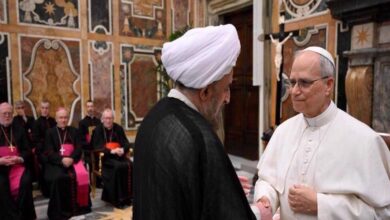
US Embassy Denies Claims of ‘Special Award’ from Pope to Iran’s Ambassador
After Iranian state media reported that the Pope had granted a “special and exclusive award” to the Islamic Republic’s ambassador…
Read More » -
Christianity
Theological Dispute at the Pentagon; Removal of ‘Christian’ Label from US Military Religion List Sparks Controversy
The recent decision by the U.S. Department of Defense to review the list of religious affiliations for military personnel has…
Read More » -
Iran News
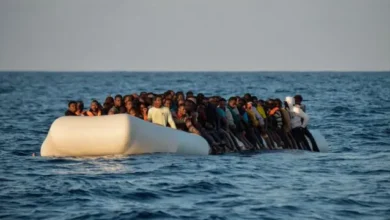
Europe Begins ‘New Era of Border Control’ After a Decade of Migration Crisis
Eleven years after the historic wave of asylum seekers entering Europe that confronted the European Union’s immigration system with one…
Read More » -
Iran News
Kuwait, Bahrain, and Jordan Condemn Islamic Republic’s Attacks on Their Territories
Following recent attacks by the Islamic Republic on Kuwait, Bahrain, and Jordan, these three countries condemned the attacks, and other…
Read More » -
Iran News
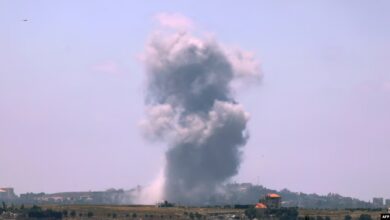
Israel: Hezbollah Committed ‘Clear Violation of Ceasefire’ with Drone Attack
Israel reported a clear violation of the ceasefire by Hezbollah, the proxy force of the Islamic Republic, with drone fire…
Read More » -
Iran News
President Trump: We Will Launch Very Intense Attacks on Iran’s Regime Tonight
Donald Trump, President of the United States, announced on Thursday, June 21, in a message on the Truth Social network…
Read More » -
Iran News
Mutual Attacks Between US and Iran; Trump: If Iran Doesn’t Agree, We Will Strike Again
Hours after Donald Trump said that officials of the Islamic Republic “have delayed too much in reaching an agreement and…
Read More » -
Iran News
60,000 Christians in the Heart of Secular Europe; Netherlands Witnesses Young Generation’s Return to Faith
In one of Europe’s most secular countries, tens of thousands of Christians gathered in the Netherlands during Pentecost celebrations; an…
Read More »