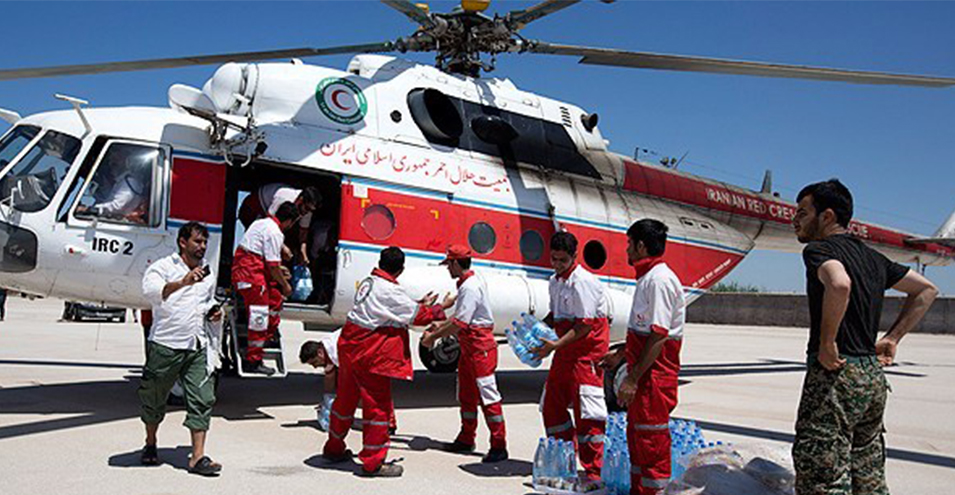
Ahvaz was hit by floods
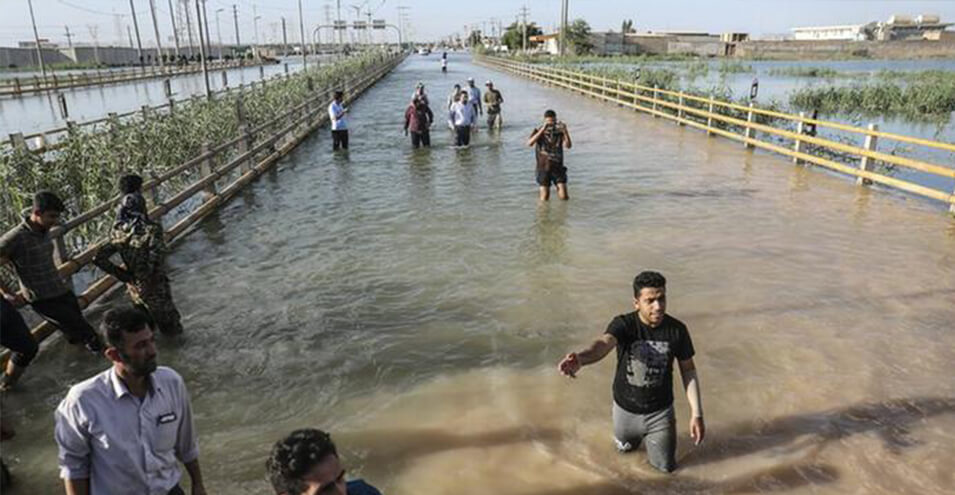
The flood has passed the entrance to Ahvaz and is dangerously entering the city. Iranian news agencies have reported the evacuation of five districts of Ahvaz, the evacuation of 234 villages around the city, and the relocation of 46,000 flood-affected people.
According to Iranian news agencies, the entrance to Ahvaz from Andimeshk has been submerged by the advancing waters of the Karkheh River.
According to the same report, as the volume of water increases behind the flood dam created at the entrance to the Ahvaz highway, the water is flowing towards the city, and relief forces are working to strengthen the flood dam.
According to ISNA news agency, with the break of the flood dam and the diversion of Karkheh water from the Salman Canal at the entrance to Ahvaz, the area is now under water and rescue forces are building a flood dam at the entrance to Ahvaz.
It is said that the Kianshahr and Zardasht regions are particularly prone to flooding, and officials, with the help of the public, are trying to prevent water from advancing towards urban areas by excavating and moving flood barriers.
According to the latest statistics announced by the Director General of Crisis Management of Khuzestan Governorate, 234 villages along the banks of the Dez, Karkheh, and Karun rivers have been evacuated since the beginning of the flood, and of these evacuated villages, 95 villages have been flooded.
According to the same report, 46,000 people from flood-affected areas have been accommodated in temporary camps so far. 6,700 housing units have been damaged so far and 51,000 housing units are at risk.
Another report states that the Ahvaz Police Square has also been flooded.
It is said that water is spreading from behind the flood dam towards the plain around Ahvaz and behind the water park and the fruit and vegetable square.
Reports have stated that along with the flood, a foul smell and stench permeated the air of Ahvaz, indicating that sewage was leaking out. In this regard, there has been a complaint about the lack of advanced machinery and equipped excavation equipment.
Continuing critical conditions in Khuzestan and Lorestan
The CEO of the Red Crescent Society said that since the morning of Sunday, April 8, the cities of Behbahan, Lali, Gotvand, Izeh, Shushtar, Baghmalek, Haftkal, Abadan, Shadegan, Hoveyze, Ramhormoz, Andimeshk, Andika, Bavi, Masjed Soliman, Dezful, Shush, Ahvaz, Dasht Azadegan, and Karun have been exposed to flooding.
Ali Khodadadi added: "In some cities, the flood has subsided, and in some areas there are still floods and their consequences. Also, areas of the cities of Shushtar, Ahvaz, Dasht-e Azadegan, Shush, Bavi, Hamidieh, Karun, and Shadegan are severely affected by the flood."
The CEO of the Khuzestan Red Crescent Society said: "About 4,000 people from villages surrounded by water and flooding have been moved to safe places, more than 100,000 people have been accommodated in 47 emergency and temporary camps, and 230 villages have been evacuated."
He noted that since the floods and inundation began on April 24, more than 102,000 people have been accommodated in various emergency camps, and the current population in these camps is more than 102,000.
According to Mehr News Agency, the flood released from the Karkheh Dam in Khuzestan and the rising Karun River continue to affect many villages. The flood dams of some villages have broken and people in some areas are resisting the increase in the height of the flood dams.
In Lorestan, following the flooding in various cities of the province, relief efforts have entered their ninth day. According to reports, relief and rescue forces from the Red Crescent, the army, and the Revolutionary Guard have gone to help the flood-affected people of Pol-e Dokhtar and Muqallan.
Source: DW