Iran: Israel was responsible for the Tessa Complex incident in Karaj
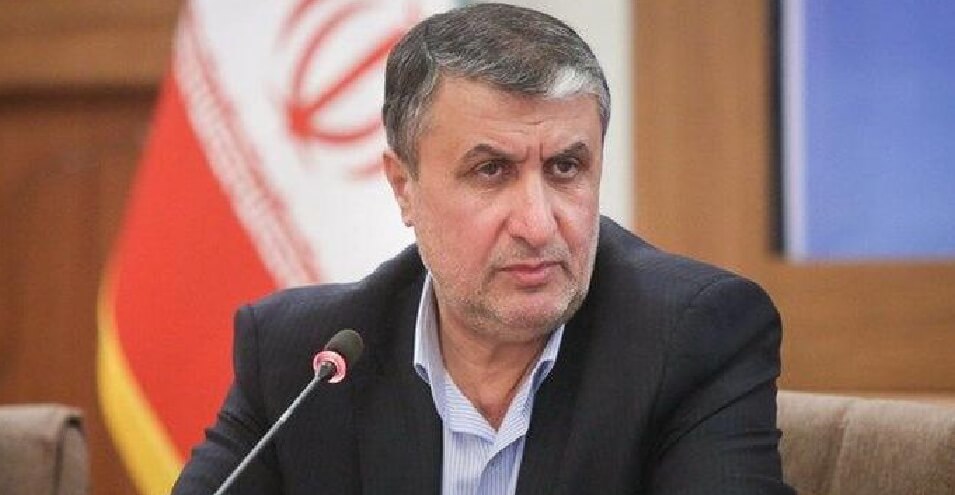
Mohammad Eslami said that Israel had carried out a “terrorist” attack on the Karaj nuclear facility and that the agency must first “clarify” its position on the attack. The Karaj site is one of the centers where important steps are being taken to build centrifuges.
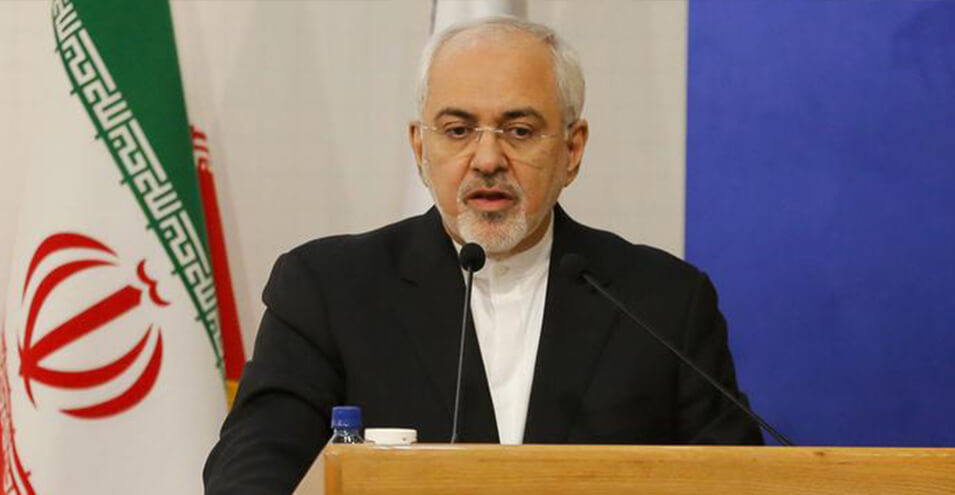
Mohammad Eslami, head of the Atomic Energy Organization of Iran, went to the parliament on Sunday, October 3, to explain the explosion at the Karaj nuclear facility to members of the Article 90 Commission. In a video published in Iranian media, he said: “The Karaj Tsai complex has faced a terrorist incident by the Zionist regime.”
Islami said that the details of this "major incident" have been brought to the attention of the International Atomic Energy Agency, "so the Agency must first clarify its position on that incident."
According to the head of the Atomic Energy Organization of Iran, the site, "especially the site of the International Atomic Energy Agency's surveillance cameras," was destroyed during the attack.
On July 2nd of this year, Iranian media reported a “sabotage” against one of the Atomic Energy Organization buildings. The factory that was attacked belongs to the Iranian Centrifuge Technology Company TESA in the city of Karaj, which produces new-generation centrifuge machines in nuclear facilities for higher uranium enrichment.
First denial, then pressure on the agency to take a position.
Iran initially denied the extent of the damage to the center, and the country's media reported that the attack had been thwarted and had caused no damage.
But the New York Times, citing an Iranian official familiar with the matter, reported that the attack came from inside Iran and near the factory. Contrary to Iran's claim that it thwarted the attack, the operation was successful and the drones were able to strike the factory, the newspaper reported.
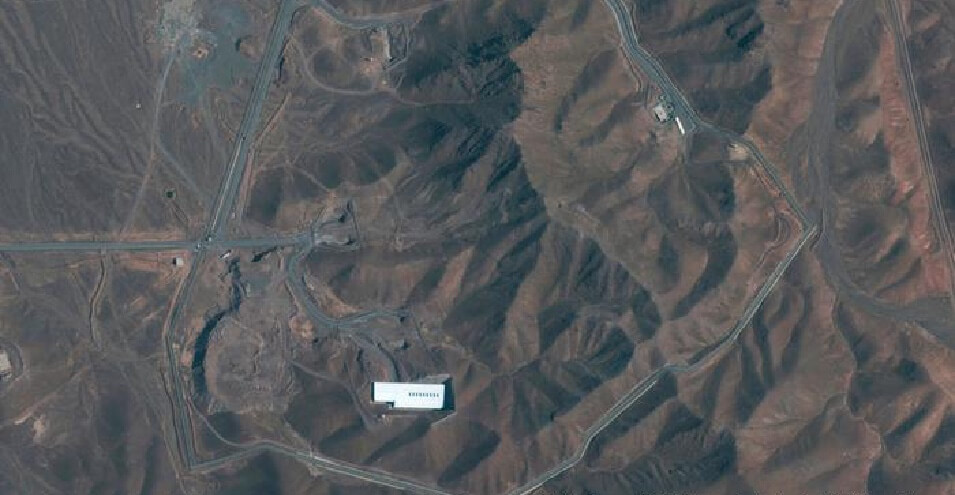
The Jerusalem Post also reported that the attack had “caused heavy damage.” Shortly afterwards, satellite images were released showing parts of the facility destroyed.
On October 25, Rafael Grossi, Director General of the International Atomic Energy Agency, released a new report on the agency’s monitoring of Iran’s nuclear activities. According to an agency spokesman, the Islamic Republic “has prevented IAEA inspectors from monitoring a complex where components needed for advanced centrifuges are produced.”
The IAEA spokesperson was referring to the Tsai Karaj complex. At the time, Kazem Gharibabadi, the Islamic Republic's ambassador and permanent representative in Vienna, called the IAEA Director General's report on the agency's lack of access to surveillance cameras at the Tsai Karaj complex "inaccurate" and referred to it as an issue "beyond the understandings reached" in the Iran-IRA agreement.
He claimed in several Twitter posts that the Islamic Republic's decisions regarding the Agency's monitoring equipment were based on "political, not legal, considerations" and that, therefore, the Agency could not "claim any right" to monitor the Islamic Republic's nuclear activities.
However, officials from the Atomic Energy Organization of Iran and other officials consider the Israeli attack to be the main cause. Kazem Gharibabadi has said in this regard that "since the security and judicial investigations into the TSA complex in Karaj are still ongoing, the surveillance equipment of this complex is not included in the equipment under technical service" and that the cameras of the TSA complex were not included in the agreement between Iran and the Agency.
Nuclear facilities and scientists at sensitive centers in the Islamic Republic have been targeted by Israeli attacks many times. The most recent attack occurred on August 24 of this year.
ImageSat Intel, a research group based in Israel, said, based on satellite images, that a severe explosion occurred at the Shahid Hemmat Industrial Group facility, which is a "secret missile base of the Revolutionary Guard Corps," causing serious damage to the facility.
Three employees were injured in the incident, two of whom, according to news agencies close to the IRGC, died in the hospital.
According to Intel Imageset, at least a quarter of the building at a "secret missile base" has been completely destroyed.
Source: DW