European Parliament President stresses the need for practical measures to support Iranian women
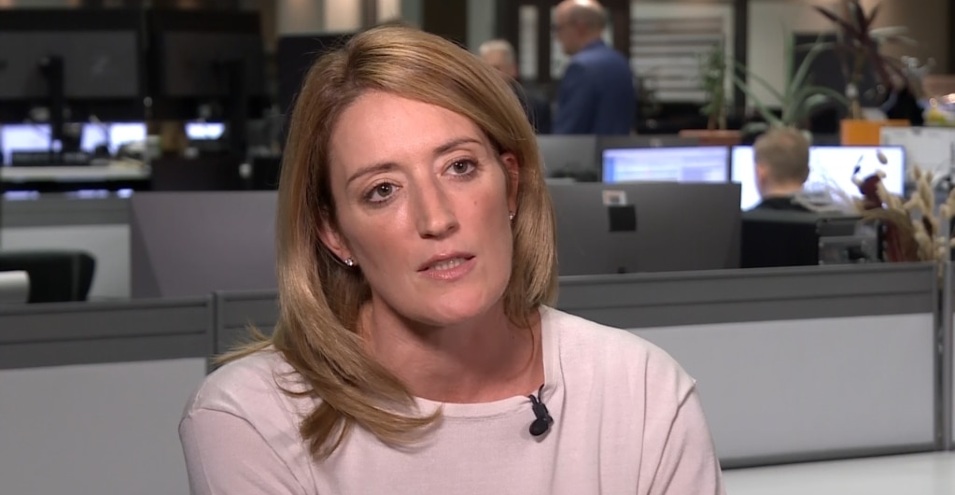
Despite the support of important European institutions for the "right to demonstrate" of protesters in Iran and the efforts of Iranian women to achieve their rights, Roberta Metsola, President of the European Parliament, says that the European Union must go beyond expressing verbal support.
In an interview with Radio Free Europe/Radio Liberty, Ms. Metsola said that the European Union should not only step up in condemning the events in Iran, but also support practical measures that will help these women regain their basic freedoms.
According to Ms. Metsola, these fundamental freedoms and basic rights are taken for granted for Europe, but "in the context of Iran, Europe had not paid attention to them for a long time."
The President of the European Parliament also emphasized that not only Iranian women must rise up, but "all Iranians must rise up to uphold the violated rights of Iranian women."
She emphasized that the Iranian protests have been supported by politicians, government decision-makers, and women around the world.
Ms. Metsola, a diplomat from the island of Malta who was elected president of the European Parliament nine months ago and is the first woman to reach this position in the past 20 years, has spoken out several times in support of Iranian women since the beginning of the recent protests in Iran, emphasizing that the world has heard the slogan "Women, Life, Freedom."
The European Parliament, based in Strasbourg, France, is the highest legislative body in the European Union, with 705 members directly elected by the citizens of 27 European countries. Together with the Council of the European Union, it makes joint decisions for the member states of the Union and is one of the most powerful institutions with decisions binding on all members.
The European Parliament passed a resolution in its session on October 4th that strongly condemned the killing of Mahsa Amini following her "violent arrest" by the "moral security police" and called for "impartial" and "effective" investigations into the matter.
Protests in Iran began 21 days ago in response to the death of Gina, a 22-year-old girl from Saqez, in the custody of the "moral security police" during a trip she and her family made to Tehran, and have continued to this day.
The current protests in Iran have sparked an unprecedented wave of empathy and solidarity from many women in other parts of the world, including in parliaments of countries and international institutions. For example, on October 4, before the European Parliament passed a resolution against some of the Islamic Republic's figures and institutions, a female member of the European Parliament of Saudi descent cut her hair with scissors.
The European Parliament resolution, by imposing a series of sanctions against Iranian officials related to the suppression of protests, supported the Iranian people's right to peaceful protest and called on the Islamic Republic to release the detained protesters.
Nasser Kanani, spokesman for the Islamic Republic of Iran's Ministry of Foreign Affairs, on October 4 called the European Parliament's resolution "interventionist" and "unilateral and baseless prejudice" against Iran, and claimed that "extremist elements" in this parliament were responsible for passing this resolution in order to "continue hostility" with the Islamic Republic of Iran.
Source: Radio Farda