Dollar hits 16,000 Tomans in Iran; Money changers refuse to sell currency
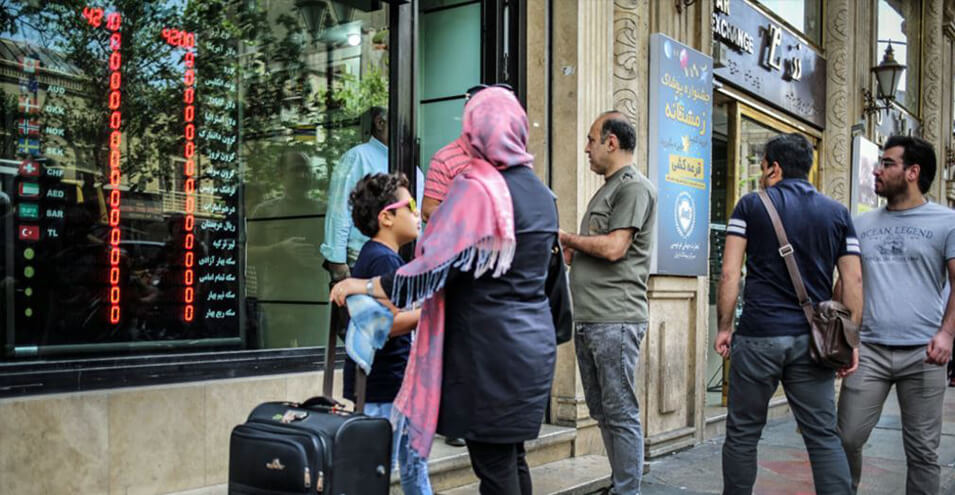
The free foreign exchange market in Iran once again witnessed an increase in the prices of various foreign currencies on Monday, October 2nd, with the price of one US dollar reaching 16,000 Tomans, and some money changers are refusing to sell foreign currency.
According to ISNA news agency, the dollar rate reached 15,900 tomans on Monday, and the coin was traded for 4,740,000 tomans.
Also, based on prices published on currency and gold websites, the price of the US dollar reached 16,000 Tomans and the euro increased by about 1,000 Tomans to 18,500 Tomans.
Each British pound also exceeded the mark of 20,000 Tomans.
Some websites have also written that the dollar price dropped to 15,800 Tomans in the final hours of Monday.
The US dollar had crossed the 15,000 toman mark on Sunday.
From the perspective of analysts, the attack on the armed forces parade in Ahvaz, the failure of negotiations between Iran and Europe, the uncertainty over the approval of anti-money laundering bills, the decline in Iranian oil exports, and the Security Council meeting chaired by Donald Trump this week are reasons that have caused the currency price to rise.
Meanwhile, ISNA news agency, citing an unnamed money changer, wrote that the dollar rate may reach 25,000 tomans.
However, another money changer predicted that the dollar price would reach 18,000 Tomans in the next two to three days, after which it would decline and remain stable between 12,000 and 14,000 Tomans in the coming months.
The money changer claimed that the government will lower the exchange rate in the coming weeks by announcing a 26% interest rate on bank deposits.
The Central Bank has reduced the bank interest rate from 24 percent to 15 percent since 2015. In recent days, reports have been published about the possibility of an increase in the bank interest rate.
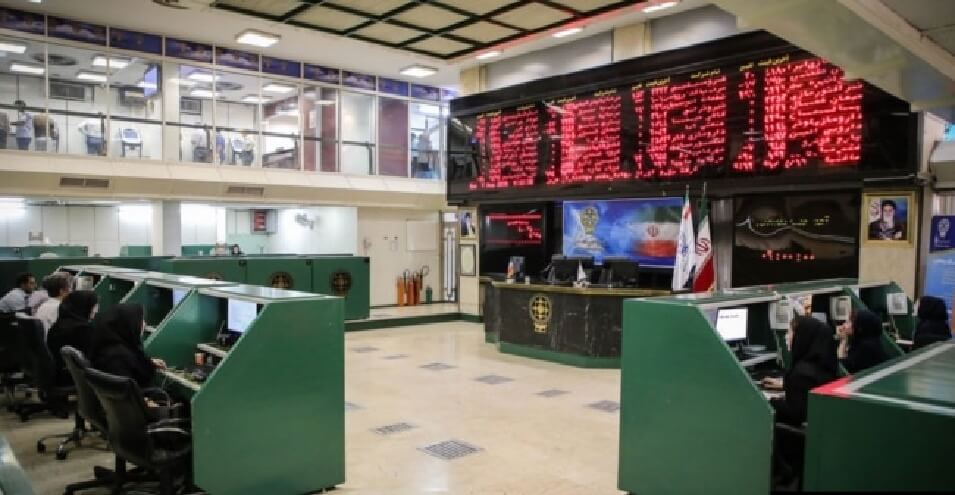
Only "four billion dollars" have been offered on the NIMA system
While the Hassan Rouhani government's plans to control the exchange rate in recent months have failed, the Central Bank Governor has nevertheless said that the foreign exchange market is "almost managed and the atmosphere is moving towards a decrease in the exchange rate."
In an interview with the Khaneh Mellat website, affiliated with the parliament, Abdolnaser Hemmati also reported that of the approximately $23 billion in non-oil exports that were made as of September 13, only about $4 billion has been listed on the NIMA system.
He added: "Methods have been envisaged for returning export currency to the economy, based on which exporters must officially import or use the currency through the Nima network or any method determined by the Central Bank."
Mr. Hemmati did not provide further explanation about the approximately $19 billion in foreign exchange that he said did not enter the economy.
Meanwhile, according to ISNA news agency, from August 26 to September 10, only 1 billion 467 million 932 thousand euros were offered on the secondary market, of which petrochemicals accounted for 73 percent.
Previously, some analysts had considered the failure of petrochemicals to enter the market as one of the main reasons for the increase in the price of the currency, along with the US withdrawal from the JCPOA.
In July, the government admitted the failure of the single-rate currency policy and created a "secondary market" for the currency, which means that the currency will have three rates.
In this plan, exporters who previously did not offer their currency in the "Integrated Currency Management System" (NIMA) system will offer it at an agreed rate so that it can be allocated to non-essential goods that do not include the 4,200-toman currency.
A group of critics of the secondary currency market say that petrochemical and steel companies and other "specialty" [private-public] companies, which are the main suppliers of secondary market currency, profit the most from this market.
According to these critics, while these companies benefit from energy subsidies and other exemptions, they offer the foreign exchange earned from exports at high prices on the secondary market.
Source: Radio Farda