A Baloch citizen's story about life without an identity card; citizens who are deprived of minimum rights
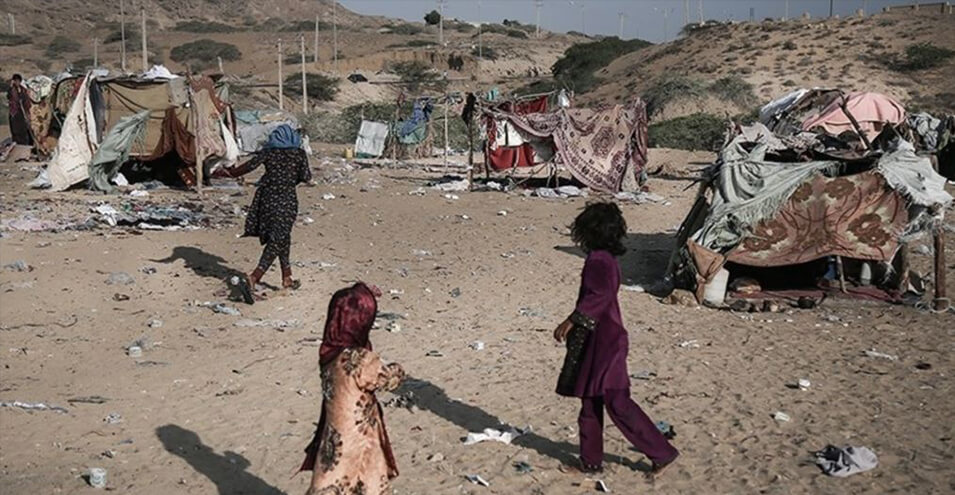
According to official statistics, the largest number of citizens without identity cards belongs to the province of Sistan and Baluchestan, and several thousand Baluchis live throughout Iran without enjoying minimum citizenship rights.
A Baloch citizen sent an audio file describing the difficult life of 30 families without birth certificates, and complained about the failure of the authorities to respond to their numerous requests to receive birth certificates.
He is concerned about his children, who do not have the right to education without an ID card, and says that not having health insurance has caused many problems for them.
These citizens without ID cards are deprived of even the simple possibility of purchasing public transportation tickets to go to other cities.
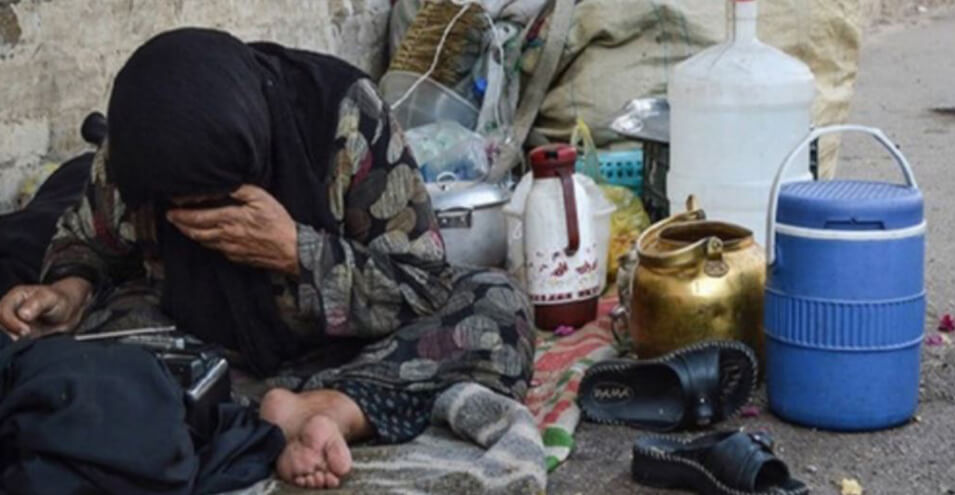
The Iranian Labor News Agency, ILNA, recently reported on thousands of Baloch citizens without identity cards who are forced to earn a living through jobs such as garbage collection, and if they are arrested and cannot prove they are Iranian, they may be deported from Iran as Afghans or Pakistanis.
Zohreh Sayadi, a civil rights activist and activist for the rights of Baloch people without identity cards, told ILNA: "We have repeatedly expressed the protests and demands of Baloch people without identity cards to the camps and the Ministry of Interior. The question is, how can a person without an identity card and those who follow it, without insurance, without subsidies, and without a share of justice and... be able to pay seven hundred thousand tomans for a "genealogy" test to a forensic doctor?!"
According to this report, since 2013, 500 cases have been filed in this regard in Sistan and Baluchestan province, and 364 of them have been processed, but thousands of people are still waiting in line to receive their birth certificates without any basic facilities or rights.
According to Ms. Sayadi, the laws are not only not a way for people without ID cards to obtain ID cards, but also act as a deterrent to a large extent and "are so strict for no reason."
Abdul Sattar Doshuki, director of the Balochistan Studies Center, had previously explained on the Voice of America program "On Line" that the Iranian government's view of ethnicities and minorities is a security perspective and considers them "outsiders."
According to Mr. Doshuki, when we talk about discrimination and oppression against ethnic groups in Iran, we do not mean that it does not exist in Tehran and other places, but it is doubly so for ethnic groups.
Source: Voice of America