Shooting at the plane; "The fire operator acted at will"
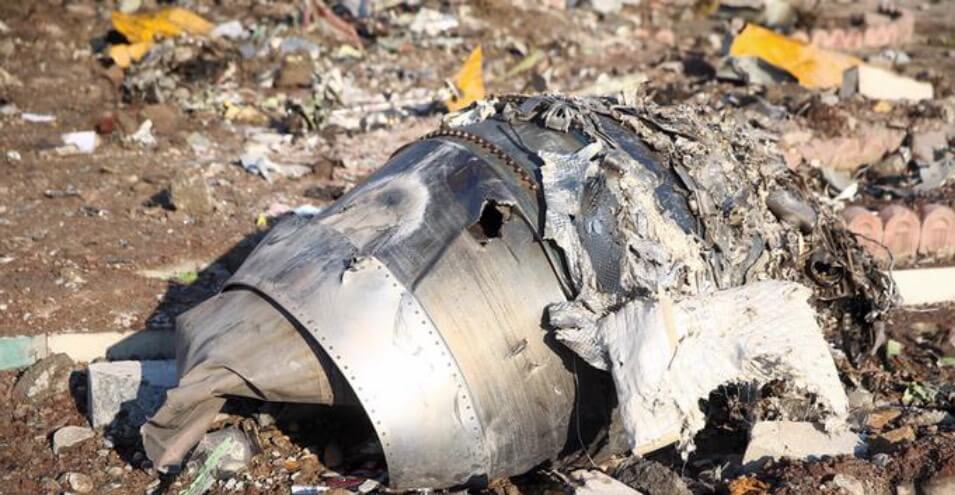
After a meeting with representatives of the Armed Forces General Staff, the IRGC Aerospace Organization, and aviation authorities, Mojtaba Zolnour, head of the Parliament's National Security Commission, ruled out cyber sabotage in the destruction of the Ukrainian plane and highlighted the operator's arbitrariness.
Mojtaba Zolnour, head of the Parliament's National Security and Foreign Policy Commission, says human error was the cause of the downing of the Tehran-Kiev flight, and that the operator's communication with the control center has not been proven.
The meeting of the commission on Sunday, January 19, was attended by the head of the special investigation committee of the General Staff of the Armed Forces, a representative of the Aerospace Organization of the Islamic Revolutionary Guard Corps, the deputy commander-in-chief of the army, the head of civil aviation, and the director of Imam Khomeini International Airport. Zolnour emphasized that speculations such as electronic warfare and cyber sabotage are ruled out.
The head of the National Security Commission of the Parliament said that the operator should not have acted arbitrarily and fired at will, and that the disconnection of the operator and the system with the fire control network has not yet been proven: "...We were in a limited fire mode. This means that the defense system had not yet been given the order to fire and target, and even if we assume that the connection between the defense system and the operator and the control center had been disconnected, it still should not have acted arbitrarily and fired at will. The operator made such a mistake and made such a decision and took action at his own discretion."
Mojtaba Zolnour added that the cruise missile's movement was also not validated and the systems did not have reliable information in this regard: "It did not happen that the systems were informed exactly where the cruise missile was, which target it was heading towards, and which system was tasked with engaging it."
He reported dealing with those who have failed and failed in this regard, and at the same time, justifying the three-day cover-up by the General Staff, he said: "The armed forces should have discussed and examined all these speculations, questions, and ambiguities in a short period of 48 hours... Those who criticize that the truth has not been told to the people do not understand the specialized process of the issue and its time-consuming nature, or they are proposing these matters under the influence of the existing atmosphere."
Amir Ali Hajizadeh, the commander of the Revolutionary Guards' aerospace force, admitted that he was informed from the very beginning that a missile had been fired at the passenger plane and wished for death upon receiving the news.
The lack of information and secrecy surrounding this disaster raised the possibility that the IRGC was evaluating various scenarios; the possibility of denial, human error, or the issue of "hacking and infiltration" in order to reduce the cost of the incident.
The IRGC has still not answered the question of why the Khatam al-Anbiya base was not informed of the country's airline traffic schedule.
The Fars news agency, which is close to the Revolutionary Guards, has claimed that Supreme Leader Ali Khamenei was unaware of the missile strike on the passenger plane until Friday morning. Critics of the Islamic Republic and many observers and analysts, given that Khamenei is also the head of the Supreme Leader's Office, do not believe this claim to be credible.
All 176 people on board the Ukrainian Airlines plane were killed when it was shot down by an IRGC missile on the morning of Wednesday, January 8. At least 139 of the passengers on the plane were Iranian.
Source: DW