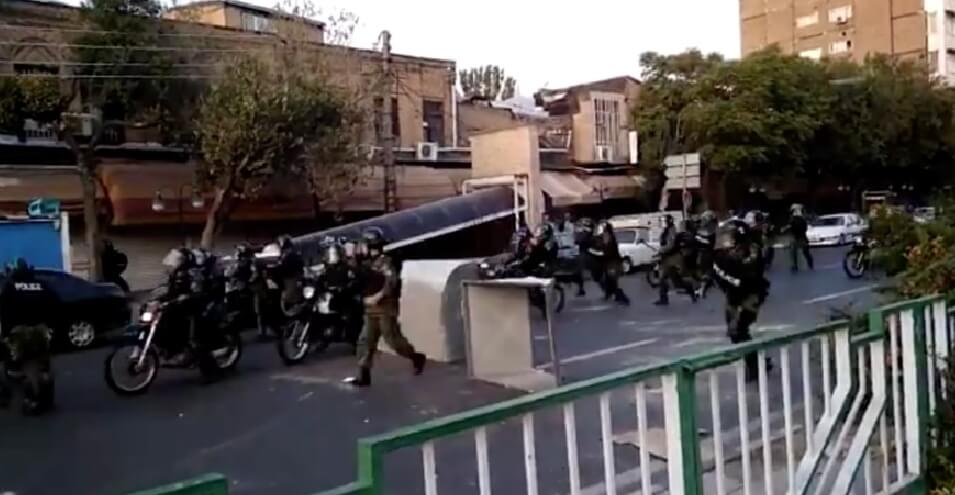
Turnout in Iran's parliamentary elections was less than 43 percent; the lowest turnout in the past 41 years.
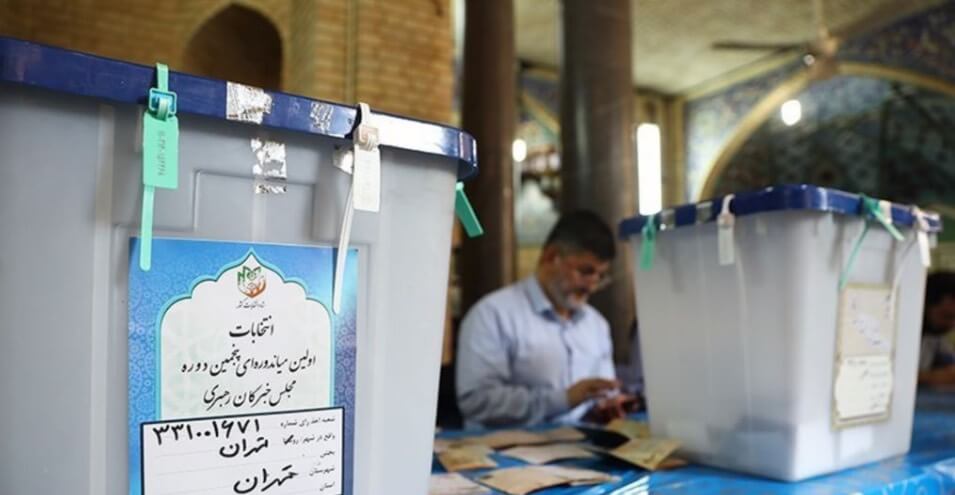
According to published news, the turnout in the 11th parliamentary elections across Iran was less than 43 percent.
Official Iranian news agencies announced on Sunday, March 25, that the turnout in the elections was only 42.57 percent. In other words, out of at least 58 million people eligible to participate in the elections, only nearly 25 million people participated in the elections, of which 48 percent were women and 52 percent were men.
On the other hand, it has also been announced that the elections in eleven constituencies have been extended to a second round, and the second round of elections in these constituencies is scheduled to be held on April 19, 2020.
These statistics, published by official Iranian media, show that this election witnessed the lowest level of public participation in elections in the past 41 years. However, on Sunday, March 25, during a session of the Islamic jurisprudence course, Ayatollah Khamenei, the leader of the Islamic Republic, claimed that opponents of the Islamic Republic had been creating a negative atmosphere against public participation in the elections for several months before the start of the elections, but despite this, people had a large turnout in the elections.
Khamenei cited news of the progress of the coronavirus in Iran as one of the negative atmospheres, saying that the enemies took advantage of the slightest opportunity and "in the last two days, under the pretext of a disease and virus," tried to reduce participation, but people came to the polls.
These claims are being made by Khamenei despite the fact that numerous images of the limited level of public participation in the elections had previously been published on social media.
On the other hand, this parliamentary election period, like other elections held in Iran, has been accompanied by some electoral violations - including vote buying and selling in various cities in Iran.
Meanwhile, the US State Department has called the entire election process in Iran "fake and hypocritical" and announced that, given the actions of the Guardian Council and government institutions, the elections in Iran are neither fair nor free.
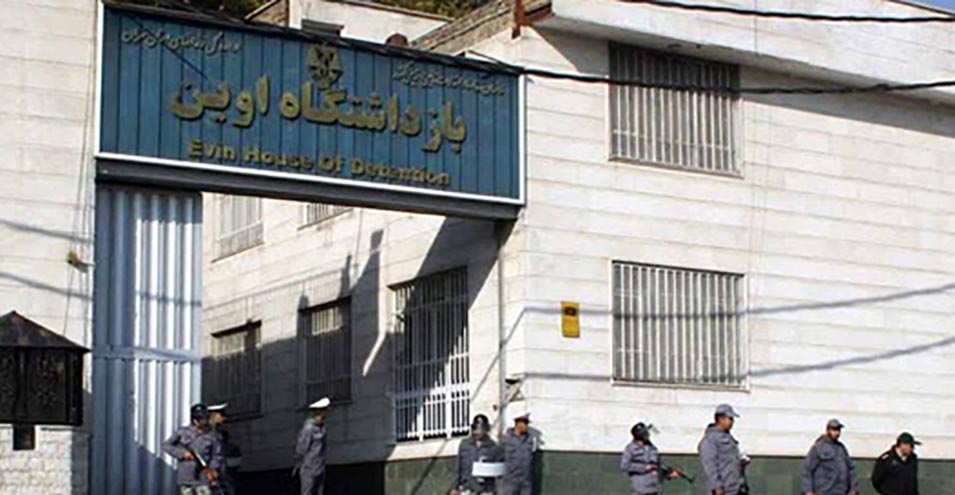
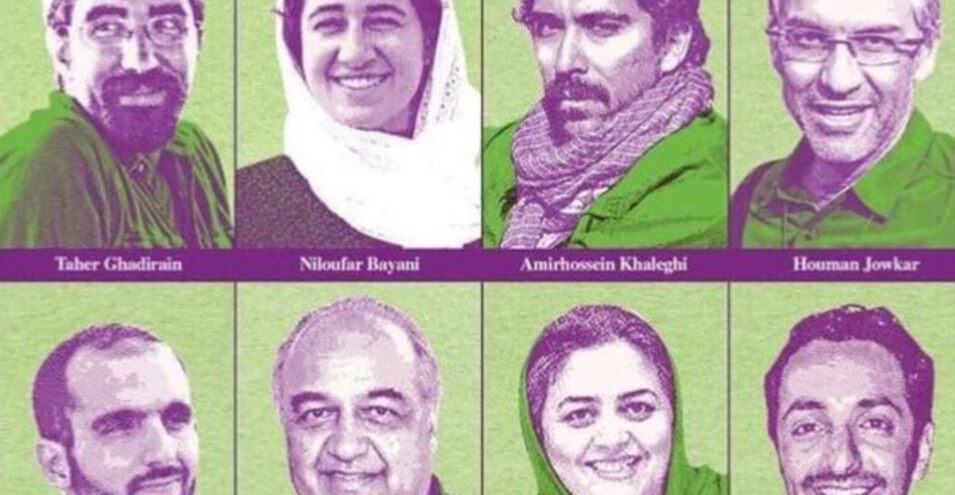
This time, the parliamentary elections were accompanied by numerous sanctions from some prisoners and a group of civil and political activists, including Shirin Ebadi, 12 imprisoned female activists, and Soheil Arabi, following the suppression of the November protests, the IRGC's cover-up regarding the downing of the Ukrainian passenger plane, and widespread disqualification.
According to Voice of America, the boycott of this election is different from other elections and is not limited to activists or political and civil prisoners; it has also been extremely popular on social media, and many users have supported the boycott of the 11th term of the Islamic Consultative Assembly.
Brian Hook, the US State Department's special representative for Iran, announced at a press conference at the US State Department on Thursday, March 2, that the United States has sanctioned several officials overseeing the parliamentary elections, including Ahmad Jannati and Mohammad Yazdi; according to the US State Department representative, these individuals have deprived the Iranian people of their right to hold free and fair elections.
Source: Voice of America