The role of prayer and Christian unity amid Venezuela's political crisis
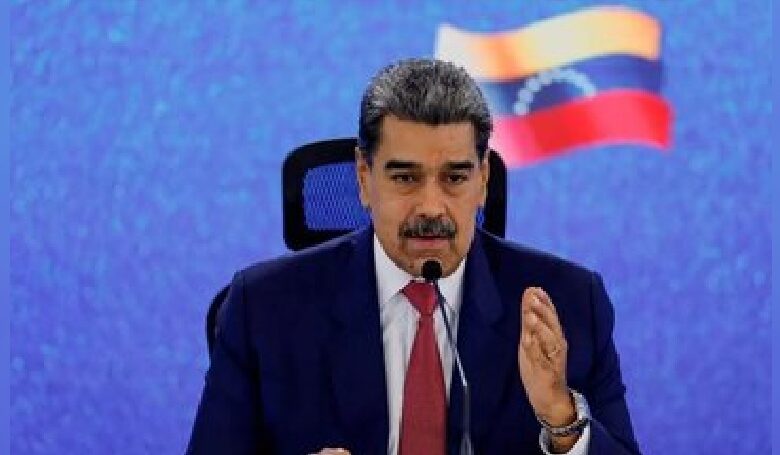
The prayer service that Nicolas Maduro held at the Miraflores Palace, attended by American and Venezuelan priests, is more than a symbolic religious act in the midst of Venezuela's political crisis.
The event came after Maduro received a letter from a pastor in Michigan, USA, requesting a prayer service for peace in Venezuela. The service comes at a critical juncture in Venezuela's history, when geopolitical tensions, an economic crisis and social divisions have left the country in an unprecedented state. The main question is: "Does prayer have real power to bring about change in such circumstances, or is it just a political tool of the government?"
The Venezuelan Church has been acting as a social mediator for years. Although some church leaders have been critical of the policies of the Maduro government, their presence at the prayer service at the Miraflores Palace demonstrates the church's great capacity to build bridges between political groups and even between countries.
Maduro's invitation to American priests, amid the most intense tensions with Washington, sends the message that faith can remain a channel for interaction, even when diplomatic relations are closed or strained.
In the Christian tradition, prayer, especially when done collectively, has a profound meaning. The joint prayer of the priests of the two countries can be interpreted as an act of reducing hostility, allaying fears, and a divine call to peace. The quote from the American priest that “Christ will take control of the situation and will not allow any American soldier to fire a shot into Venezuela” is not only a spiritual wish, but also a symbolic Christian protest against war.
This type of prayer has a history in Christian history. Christians held similar rallies for peace during the Cold War, Vietnam War, and Iraq War. So this event can be seen as a continuation of the same tradition.
In recent years, Venezuela's Christian community has taken on a more prominent role in supporting the people due to an unprecedented economic crisis, food and medicine shortages, the migration of millions of people, and the collapse of the currency. Churches have become relief centers, which has strengthened their position among the people.
The prayer service could send a message to Venezuelan Christians that their voices are heard in the country's political landscape, even if economic and political realities remain heavy.
From a diplomatic perspective, holding the ceremony with American priests could also be interpreted as a de-escalation gesture. Maduro has repeatedly accused the United States in recent years of trying to change the regime, but the invitation of American religious leaders shows that even at the height of disputes, spiritual avenues for dialogue remain open.
Of course, this action is unlikely to bring about an immediate and practical change in US foreign policy, but it may have a long-term impact on public opinion among American Christians, a very large and influential community. The American Christian community has a history of pressuring governments to reduce foreign tensions.
A significant portion of Maduro's critics believe that his use of religious symbols in times of crisis is more of a political tool than a sincere ideological demand. This view is particularly prevalent among opponents of the government and some church figures.
However, even if the motivations are political, the real role and social impact of prayer and spiritual unity cannot be denied. In the volatile atmosphere of Venezuela, any action that reduces the intensity of potential violence is worth considering and supporting.
The prayer service, attended by American and Venezuelan priests, while not a substitute for formal negotiations or political reform, carries an important message: "Faith can still be the common language of people divided by politics."
As the sound of guns and military threats echo in the region, prayer, as a symbol of Christian peace, can bring a moment of peace and hope to the deeply affected people of Venezuela, even if the path to peace is difficult and long.