UN agency: Crude oil ship 'hijacked' by Iran
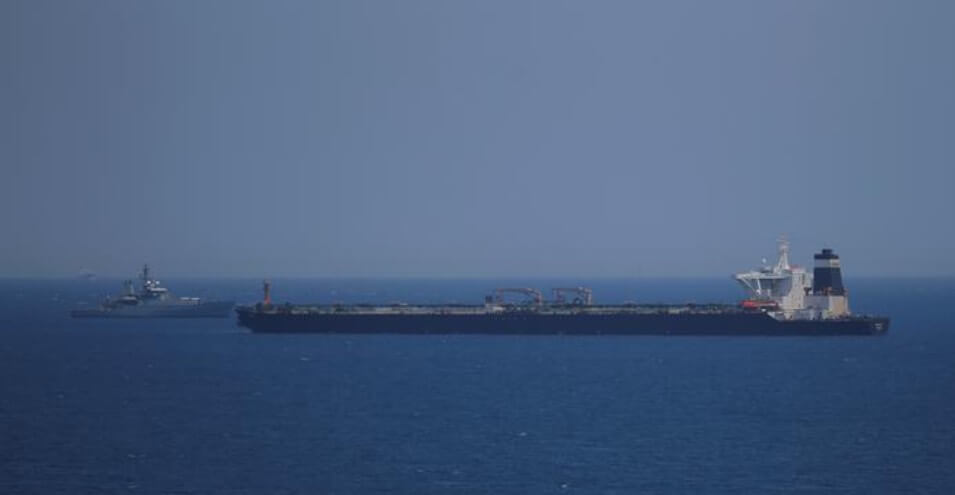
A UN-affiliated body has confirmed that Iran “hijacked” an oil tanker off the coast of the United Arab Emirates and took it into its waters on July 5. It is still unclear how and with what means Iran “hijacked” the tanker.
The United Nations agency confirmed on Sunday (July 19) that an oil tanker had been “hijacked” by the Islamic Republic in the Persian Gulf, a news report previously reported by the Associated Press on Wednesday (July 15).
According to the labor organization, the tanker in question, named MT Gulf Sky, was carrying crude oil and the United States intended to seize it for circumventing international sanctions.
The ship's crew of 28 were reportedly Indian workers who fled Iran to India without passports after disembarking from the ship on July 15.
The International Labor Organization, citing the Seafarers' Welfare and Assistance Network, says that the workers in question have not received their salaries since March, when the ship left the city of Khorfakkan, a port on the east coast of the UAE.
Iranian mass media did not mention the incident of the tanker's hijacking and its return to Iran. American officials also remained silent on the matter.
Last May, the US Department of Justice charged two Iranian citizens with attempting to illegally transfer about $12 million through intermediary companies to purchase an oil tanker, then called the MT Nautica.
Documents made available to the court showed that in addition to the Iranian Oil Company, the Quds Force, the foreign arm of the Revolutionary Guards, also played a role in this transaction.
Although the deal to purchase the tanker was stopped and the ship was given to the UAE government, it is still unclear how it came into Iran's possession so that it could transport crude oil.
The method of "hijacking" the tanker and transporting it to Iranian coastal waters and around Hormuz Island is also unclear.
The Islamic Republic of Iran uses various methods to circumvent its oil sanctions, including using tankers with flags of other countries, as well as through sales at sea and the transfer of oil from one tanker to another.