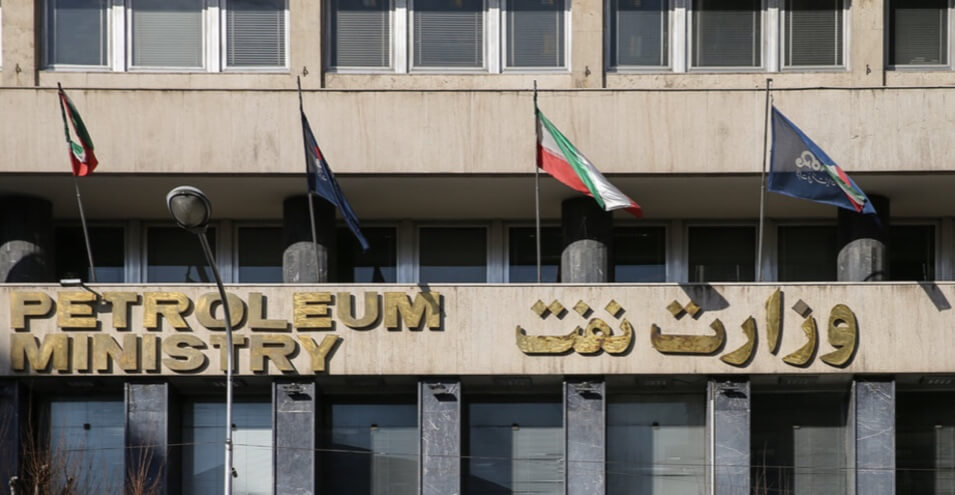
US State Department: Iran's Chabahar Port Exempted from US Sanctions
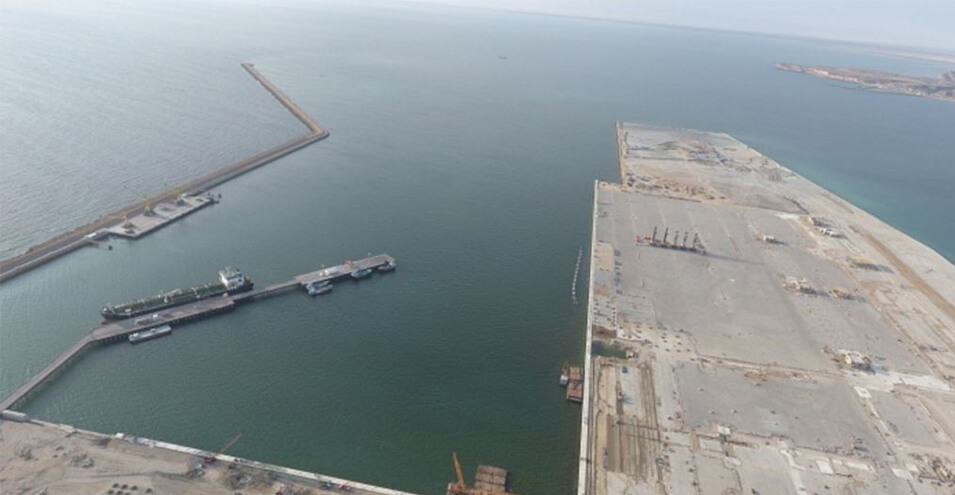
A spokesperson for the US State Department announced that Iran's Chabahar port has been exempted from recent US sanctions.
According to Reuters, Heather Nauert has stated that the purpose of removing Chabahar Port from US sanctions is to help Afghanistan's economic development.
Iran's Chabahar port, located on the northern coast of the Sea of Oman and along the Strait of Hormuz, is set to become a new transit route from open waters to Central Asia, based on a trilateral agreement between India, Afghanistan, and Iran.
This move could affect and marginalize other ports in the region, especially Pakistan's Karachi port. The shared political motivations of India, Afghanistan, and Iran to bypass regional rivals like Pakistan, which are supported by Saudi Arabia and the United Arab Emirates, are another factor in the seriousness of developing Chabahar Port and creating a new economic zone and transit corridor.
The majority of the implementation activities of the Chabahar Port project are in the hands of Indian companies, and the Chabahar Port project has been accelerated with an investment of $500 million from India.
New Delhi had previously demanded that the port's activities be exempted from US sanctions. Among the Trump administration's demands from New Delhi is a greater economic presence in Central Asia.
US State Department spokeswoman Heather Nauert told Reuters in a statement on Tuesday: "The decision by US Secretary of State Mike Pompeo to exempt Chabahar Port from sanctions is an opportunity to pursue the construction of Chabahar railway lines to Afghanistan and continue the transfer of non-sanctioned goods such as food and medicine to this country."
The United States has also lifted the ban on Afghanistan's import of Iranian oil products.
Previously, American officials had announced that eight countries and regions, including China, Japan, Turkey, Greece, Italy, South Korea, Taiwan, and India, have been temporarily exempted from US sanctions against the Islamic Republic in order to continue purchasing oil, in exchange for their cooperation in reducing oil and gas purchases from the Islamic Republic.
The second round of US sanctions went into effect on Monday, November 4. They target Iran’s oil, gas, petrochemicals, shipping, and banking sectors. The first round of US sanctions, which were reimposed on August 5, restricted Iran’s access to dollars, precious metals, steel and aluminum, and the automotive industry.
US Secretary of State Mike Pompeo and Treasury Secretary Steven Mnuchin said in a joint meeting in Washington that sanctions will remain in place as long as Tehran does not comply with Washington's demands.
Source: Voice of America