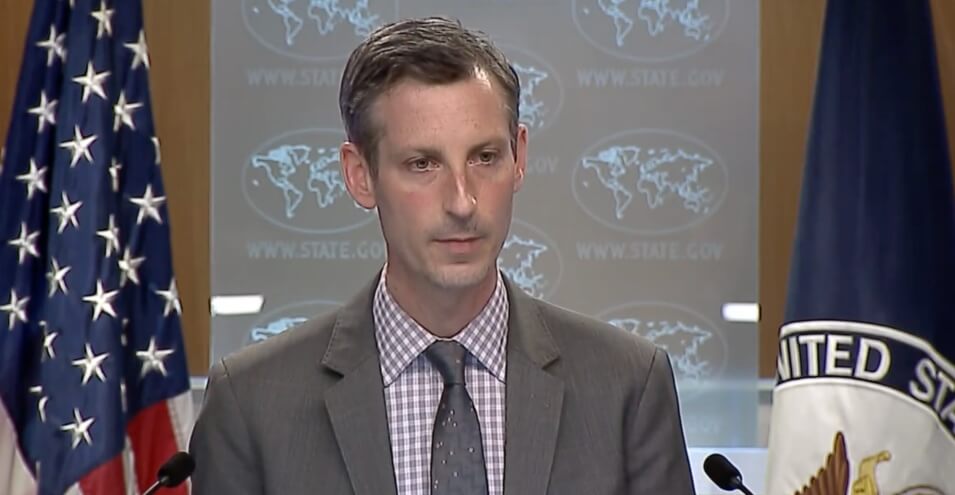
Health Minister: People should prevent coronavirus by quarantine at home
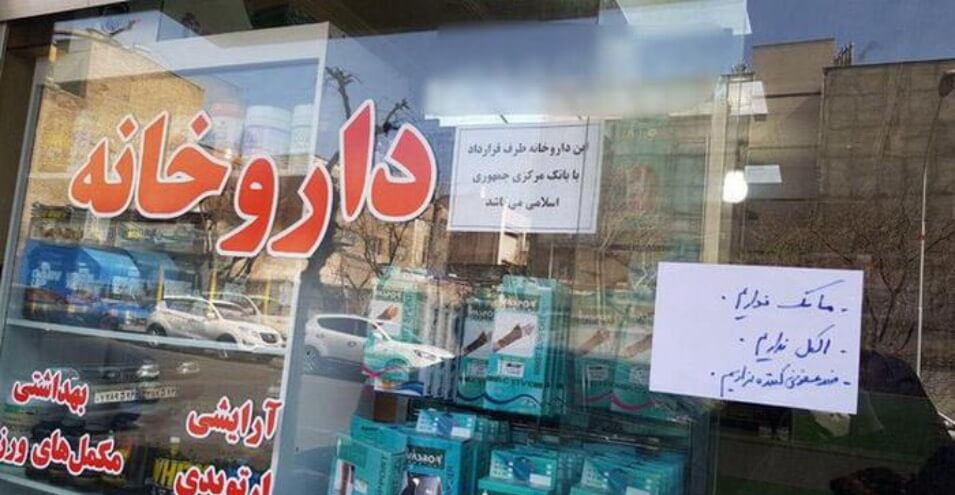
While distributing free masks and disinfectant to families, the Health Minister urged people not to go to Qom and pilgrimage sites. Quarantining cities is not on the agenda, but the Health Ministry has been given the authority to decide to close cities.
Iranian Health Minister Saeed Namaki has called on people to prevent the spread of the coronavirus by practicing home quarantine, avoiding kissing, not going to crowded places, and not using shared personal items or public restrooms.
He asked the residents of Qom not to travel anywhere and advised citizens of other cities not to go to Qom and pilgrimage cities: "Currently, Qom is the epicenter of the disease and we must manage it. Many of the cases that have tested positive have mostly originated from traveling to Qom."
Namaki has prioritized observing preventive principles over quarantining Qom or other cities, and has announced the distribution of free masks throughout Qom, disinfectants, and educational brochures to families living in the city. Dr. Mehdi Goya, head of the Center for Communicable Disease Management at the Ministry of Health, also considered the decision to quarantine cities an inappropriate and failed experiment that will only cause panic among the people.
The Minister of Health said that since the news of the coronavirus outbreak in China broke, with his insistence and the government's support, direct flights from China were canceled, but indirect flights remained open: "Of course, we deployed forces at 36 entry points to the country to monitor everything regularly... We checked indirect cases that entered the country from China, but if these people were in the incubation period and did not have symptoms, they may have entered the country with infection."
Namaki recalled that the virus originated from "Chinese carriers" and that one of the people who died in Qom was a businessman who traveled to China via indirect flights.
Coronavirus statistics jump in Iran
According to official news, as of Sunday afternoon, March 24, the death toll from the coronavirus in Iran was 8 and the number of people infected with the virus was 43. In response to why the number of infected and dead is higher than in other countries, Saeed Namaki said: "This issue goes back to the transparency of our information system... There are also countries that do not have an information structure in this regard at all and announce that we have not had any positive cases to date. Therefore, people should not interpret these issues as meaning that a backward country has not had any positive cases so far, and we, as a country with one of the best health and medical infrastructures, have had positive cases of the coronavirus."
At the same time, Mohammad Reza Ghadir, the president of Qom University of Medical Sciences, warned of the alarm in the city and urged the Ministry of Health and the government to see Qom differently: "...The situation in Qom is not suitable... In addition to Kamkar Hospital, Qom's Forghani Hospital with 400 beds has been designated to deal with the coronavirus, but currently it is difficult to separate patients with the flu, H1N1 flu, and also the coronavirus, and until the tests are conducted and the results of each patient are known, they have all been hospitalized in designated hospitals."
Meanwhile, the deputy chairman of the Tehran City Council, announcing the quarantine of seven members of the council, said that the coronavirus has become an epidemic in some cities and that the Ministry of Health should take the issue more seriously. While Tehran's buses and metro stations are scheduled to be disinfected twice a day and free masks are given to the public, the Tehran Taxi Management and Supervision Organization has called for paying fares electronically to prevent the manual exchange of money between passengers and drivers.
At the same time, Iraj Harirchi, Deputy Minister of Health, announced that during a meeting of the Supreme National Security Council, the ministry was given special authority to decide on the closure of cities, if necessary.
Source: DW