The dire state of Iran's blood supply and the "worrying days" ahead
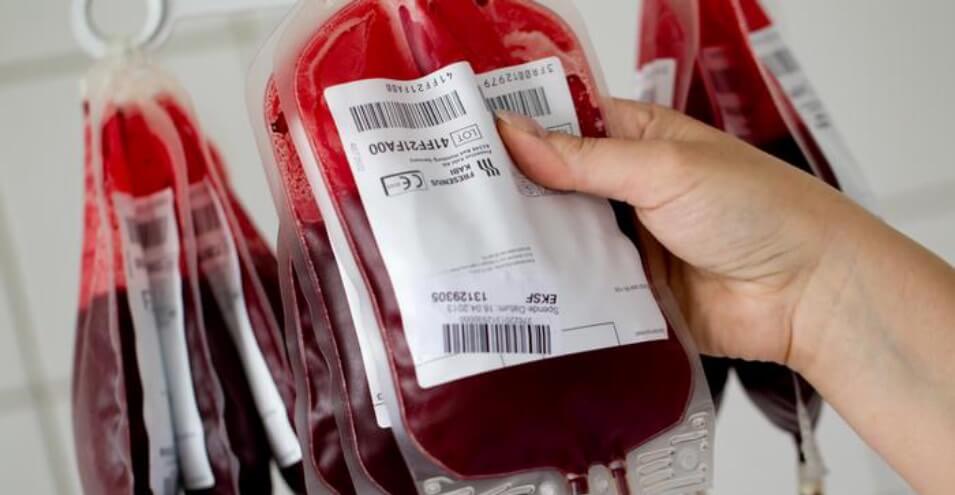
The CEO of the Iranian Blood Transfusion Organization reports on the red state of the country's blood supply on the eve of Ramadan. Health officials in Iran have called on people to donate blood and those who have recovered from the coronavirus to donate plasma.
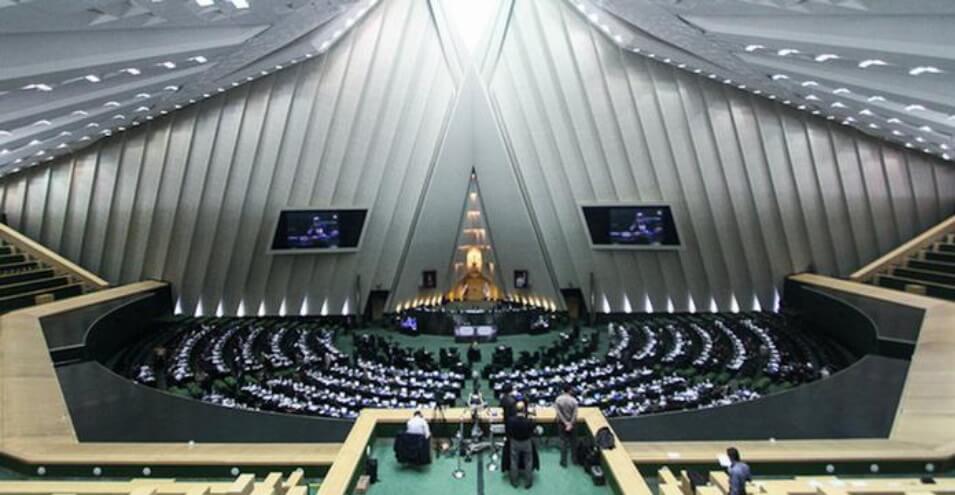
Ahmad Hemmati, a member of the Islamic Consultative Assembly's Health and Treatment Commission, has called on people to visit blood transfusion centers to donate blood, citing the shortage of blood in hospitals.
In an interview with ISNA news agency, Hemmati assured the public that blood transfusion centers "enjoy a standard environment while adhering to health protocols," and "there will be no problem for donors in terms of contracting the coronavirus."
In this interview, a member of the Parliament's Health and Medical Commission emphasized the shortage of blood in the current situation and the need to inform the public about the lack of risk for donors, and asked centers such as the Iranian Broadcasting Corporation to prepare reports to reassure the public and encourage them to donate blood.
35% decrease in blood donors
Following the outbreak of the coronavirus epidemic, the number of blood donations in Iran has decreased significantly. Many donors have refused to go to blood transfusion centers due to fear of contracting the coronavirus.
Bashir Hajibeigi, spokesman for the Iranian Blood Transfusion Organization, announced in mid-April that in March 2019, the organization had faced an average 35 percent decrease in blood donors and visitors, and that “this rate had reached 40 percent in the provinces of Alborz, Tehran, Ilam, West Azerbaijan, and East Azerbaijan.”
Dr. Peyman Eshghi, CEO of the Blood Transfusion Organization, in an interview with Iran Newspaper (April 11), referred to the past year, referring to the “decline in the country’s blood supply in the past three years due to the declining trend in blood donations,” and said: “In general, in 2019, we had a four percent drop in blood donations due to numerous events that occurred that had nothing to do with people’s health.” Since March, fear of coronavirus transmission has accelerated this downward trend.
“We did not cross the crisis line”
The CEO of the Blood Transfusion Organization considers Iran's blood reserves to be "acceptable" at present, saying: "When the country's blood reserves drop below three days, it means a crisis. We came close to a crisis, but due to the establishment of guidelines, the preparation of blood transfusion stations to receive donors, the education of the public, and the type of advertising we did not cross the border of a crisis."
The responsible director pointed to the measures and success of the campaigns that did not contradict the protocols of the Ministry of Health regarding inviting people to stay at home, and said: "The beginning of the popular campaign and the arrival of artists, athletes, and Basij members helped us not to enter a crisis. When the blood reserves reached about four days, the activities of the popular campaigns paid off, and now the country's blood reserves are at an acceptable level."
"Worrying" days are coming.
However, the CEO of the Blood Transfusion Organization describes the coming days as “worrying” as the month of Ramadan approaches. He cites the decrease in blood donations in the first ten days of Ramadan and the Ministry of Health’s order to resume “elective” surgeries (non-emergency surgeries that can be scheduled in advance) from May 1 as reasons for his concern about the organization’s blood supply shortage.
The admission of elective patients had been banned in public hospitals since March 1. Eshghi says: “People should know that the illnesses of cancer patients, thalassemia and hemophilia patients, and chemotherapy patients will not stop because of Corona and the month of Ramadan, and they need blood.”
Coronavirus recoveries should help patients by donating plasma
On the other hand, the CEO of the Blood Transfusion Organization has called on those who have recovered from COVID-19 to help meet the medical needs of COVID-19 patients by attending plasma collection centers. According to the Blood Transfusion Organization, the target audience for this call is people who have been recovering for at least a month. Experts say that the antidote from these people will help treat COVID-19 patients.
Iranian news agencies recently announced the start of a clinical trial of “plasma therapy” for COVID-19 patients in Tehran and Qom. Officials of the project say it is successful. In mid-April, the commander of the coronavirus response operation in Tehran asked COVID-19 survivors to donate their blood plasma one month after recovery to save other patients.