End of the sentence of "Morteza Hajeb Mashoudhkari", a Christian citizen
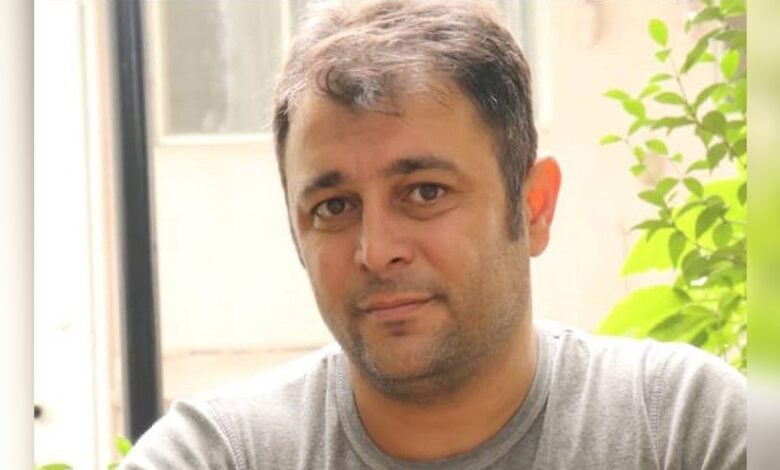
Christian citizen Morteza Hajeb-Mashoudhkari was released after serving his sentence.
Morteza Hajeb, a Christian citizen living in Rasht, was arrested in Farvardin 1401 (Farz), along with two other citizens, Ahmad Sarwar (Yuhana) and Ayub Pourrezazadeh (Farzin), for their peaceful religious activities, and each was sentenced to 5 years in prison.
In the spring of 1402, Morteza Hajeb's sentence was reduced by half, to two and a half years, after an appeal. He, along with Ahmad Saeed and Ayub Pourrezazadeh, were released from Lakan Prison in Rasht in November 1402 and were forced to serve the remainder of their sentences under "open ballot" conditions.
"Open voting" refers to a decision that allows a prisoner to work in industrial and manufacturing centers under the supervision of the judiciary with limited income and serve out their sentence.
These Christian citizens were convicted under Article 500 of the Islamic Penal Code on charges of "deviant educational missionary activity contrary to the holy law of Islam through the formation of a house church."
Finally, on Tuesday, January 25, Morteza Hajeb-Mashoudhkari was informed by prison authorities that his sentence had ended and that he no longer needed to report daily to the factory where he worked from 7 a.m. to 5 p.m.
It should be noted that there was one month left in his sentence, which was considered by the authorities as leave leading to his release.
Christian citizens in Iran have been subjected to oppression, torture, persecution, harassment, and detention for years. Even after their release from prison, they are still deprived of their normal rights, such as having a job. Citizens who are not allowed to worship their God with their own beliefs and convictions, and as a result of their beliefs, they endure long-term imprisonment and lose their citizenship rights.