German expert: Dual-nationality prisoners have been played with in Iran
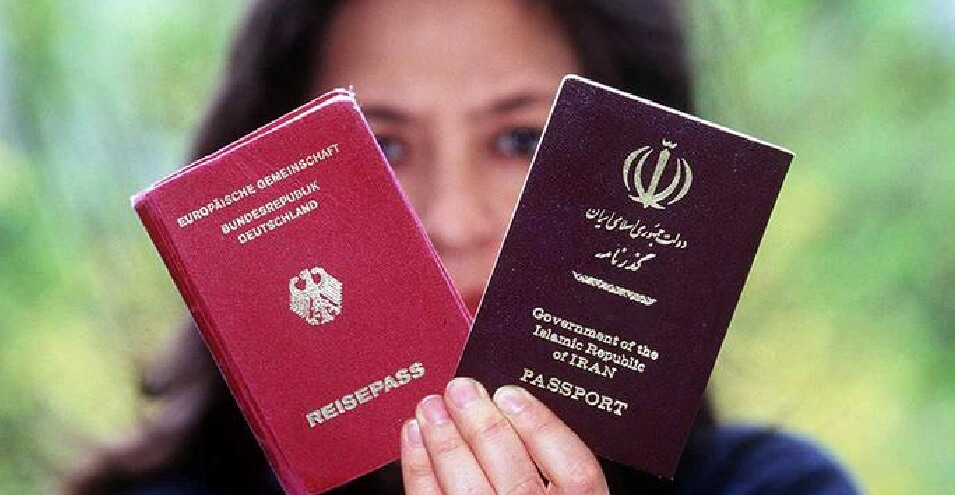
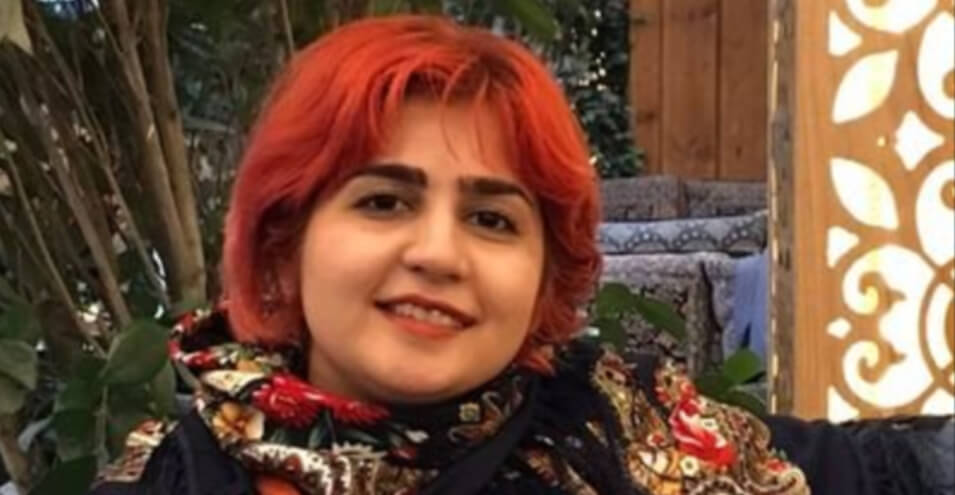
A German NGO has called on the government to take a clear stand against the Islamic Republic's "kidnappings." Nahid Taghavi and three other German-Iranian citizens are imprisoned in Iran for political reasons.
The non-governmental organization "Middle East Freedom Assembly" in Berlin has called on the German government to take a clear stance on Iranian-German prisoners in Iran.
Regarding the continued illegal imprisonment of Iranian-German human rights activist Nahid Taghavi in Iran, Ulrike Becker, a Middle East expert and head of the organization, told the Protestant Church News Agency in Berlin: "The German government must unequivocally condemn this arbitrary kidnapping."
Ms. Becker has described the German government's stance on this issue as "weak."
The Berlin-based non-governmental organization "Middle East Freedom Assembly" works for democracy, human rights, and the rule of law in the Middle East. The organization was founded in 2007 by several academic researchers, journalists, members of Jewish organizations, and Iranians in exile.
An oral question from Iranian-German MP Omid Nouripour to the German government regarding Iranian-German prisoners in Iran revealed that in addition to Nahid Taghavi, three other Iranian-German citizens are currently imprisoned in Iran for political reasons.
Nahid Taghavi has been held in Evin Prison since October 16, without access to the consular facilities of the German Embassy in Iran and without legal assistance. According to Ms. Taghavi’s family, Iranian authorities have considered her a “security threat.”
Ulrike Becker calls the accusation “ridiculous.” “The bullying that is being practiced there shows the criminal nature of the [Islamic Republic] regime,” she says, noting that many Iranian-German citizens regularly travel between the two countries. “They do not hesitate to kidnap people and put pressure on Germany to achieve their political goals.”
Ms. Becker likens political prisoners in Iran to “balls for play.” According to this Middle East expert, the Islamic Republic intends to use German prisoners to force Germany to compromise and reconcile, and hopes for the cooperation of the German government in this regard.
He referred to the trial currently underway in Belgium against Iranian diplomat Asadollah Asadi, and considers this court to have a key role in this.
Belgian authorities have accused Asadi, who was an official Iranian diplomat in Austria, of participating in the planning and execution of a bombing at a MeK rally in Paris in 2018. The rally was attended by 20,000 people. Iran has denied any role in planning the bombing.
Source: DW