Kamalvandi: We will take the third step of reducing JCPOA commitments in a month
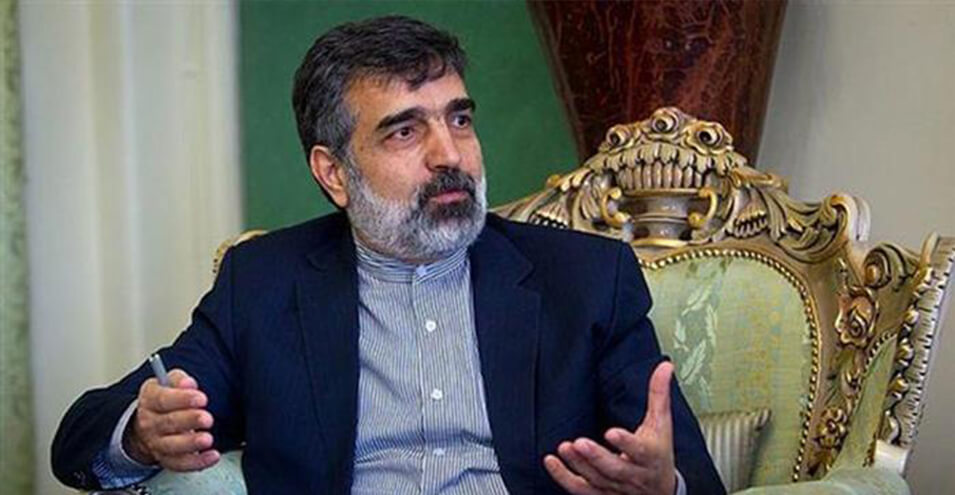
The spokesman for the Atomic Energy Organization of Iran says that if the other side does not fulfill its obligations under the nuclear deal in the remaining month, Iran will pass through 130 tons of heavy water and 300 kilos of enriched uranium. Kamalvandi complained about Europe for not doing anything in practice.
Behrouz Kamalvandi, spokesman for the Atomic Energy Organization of Iran, announced details of Iran’s third step in reducing its nuclear commitments. He told reporters on Monday, August 5: “If the other party continues to fail to meet its commitments in the remaining month, the third step in reducing the JCPOA commitments will be lifted in about a month.”
He added that we will await developments in the next month: "But for now, we have not seen anything that would give us hope that a third step will not be forthcoming."
Kamalvandi emphasized that Iran's reduction in commitments means moving beyond 130 tons of heavy water and 300 kilos of enriched uranium. According to the JCPOA, the Arak heavy water power plant must be modified in a way that it is unable to produce plutonium.
Iran has previously stated that it is not abandoning its commitments, but rather suspending them. “If they return to their commitments, naturally we will also return and fulfill our commitments,” Kamalvandi was quoted as saying by the Tasnim news agency.
Kamalvandi said that the enrichment percentage is the same four and a half percent: "The volume of reserves is increasing, and we are also working at maximum capacity with regard to heavy water, and we have small exports to some markets, and to protect them, heavy water is also exported there."
The Atomic Energy Organization spokesman added that it is very important for the Foreign Ministry to clarify the situation; “what steps the other side has taken and what hopes there are.”
Kamalvandi complained that Europe says it will take action but has done nothing in practice: "The Americans are putting pressure on almost the entire world, including Russia, China, and European countries. Of course, when these countries are spoken to individually, none of them will accept American pressure, but the important thing is that they make a serious decision and take practical action."
Iran announced in May 2019 that it would partially abandon its commitments under the JCPOA in response to US pressure and would not comply with the limit on its stockpile of enriched uranium. In the first week of June, Tehran announced that it had breached the permitted concentration of 67.3 percent in uranium enrichment. “If the remaining countries, especially the Europeans, do not fulfill their commitments and continue with talk therapy and talk, we will take the next step within 60 days,” a spokesman for the Iranian Foreign Ministry said.
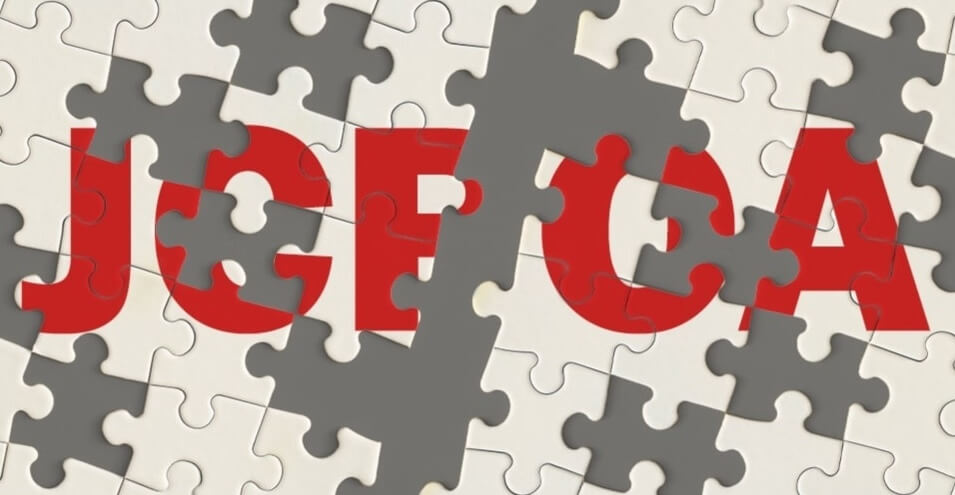
In the latest meeting of the Joint Commission on the JCPOA, which was held at the level of deputy foreign ministers of Iran and the five remaining countries in the nuclear deal, the parties committed to saving the JCPOA. Abbas Araqchi, Zarif's deputy, called the meeting constructive.
After this meeting, and in parallel with the Iranian President's phone calls with his French counterpart, Hassan Rouhani announced in Tabriz that we might achieve positive results in the negotiations in the coming weeks, adding: "But if we don't, we will firmly take the third step."