May 1, International Workers' Day in the Shadow of Unemployment, Poverty, and the Forced Migration of Elites from Iran
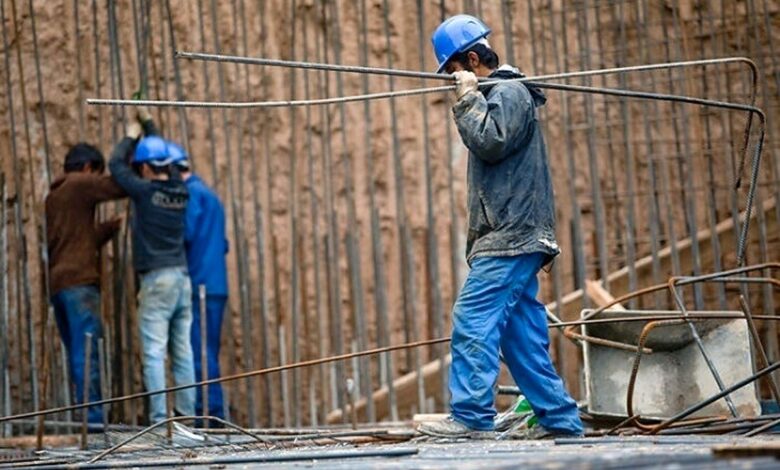
While the world celebrates the efforts and dignity of the workforce on Labor Day, in Iran, the economic crisis, widespread unemployment, emigration of educated people, and job restrictions have created a different and worrying reality for many citizens.
May 1, International Workers’ Day, is an opportunity in many countries to honor the efforts of workers, demand fair rights, and emphasize human dignity in the workplace. On this day, workers around the world come together to celebrate their achievements and work to improve working conditions. However, for many citizens in Iran, this day is more of a reminder of economic pressures, job insecurity, and an uncertain future than a symbol of gratitude.
Reports indicate that in recent months, a wave of layoffs and unemployment has occurred across various sectors of the Iranian economy. In some cities, thousands of people have lost their jobs in a short period of time, and rising prices of basic goods have made daily life more difficult for many families.
This situation has developed in the context of a deeper economic crisis, one that is accompanied by high inflation, a devaluation of the national currency, and a rise in the cost of living. According to estimates, a significant portion of the Iranian population lives below the poverty line, and even meeting basic needs has become a serious challenge for millions of people.
Iran's labor market also faces structural problems. Although official statistics sometimes show unemployment rates at limited levels, the reality is that a large portion of the working-age population has essentially been excluded from the labor market. Low economic participation rates and widespread unemployment among young people, especially university graduates, indicate the depth of this crisis. A significant percentage of the unemployed are educated people.
In such circumstances, migration has become one of the main options for many young people and professionals. The departure of educated workers, referred to as the "brain drain," has affected not only their individual futures but also the country's development prospects.
On the other hand, some groups and minorities in Iran face greater restrictions in accessing job opportunities. Numerous reports show that these individuals are sometimes denied employment in certain occupations or face systematic discrimination in the workplace. This has deepened social and economic gaps and challenged equal access to job opportunities.
Declining purchasing power is also one of the most important concerns of citizens. The continuous increase in prices, especially in the area of food, has forced many families to eliminate essential items from their consumption basket. In the words of many citizens, “the tables are getting smaller every day,” a phrase that well reflects the depth of the economic pressure.
On a larger scale, recent political and economic developments have also exacerbated the situation. Reduced industrial production, damage to economic infrastructure, and loss of job opportunities have left millions of people unemployed or insecure. Some reports indicate the destruction or cessation of a significant portion of industries and the loss of more than a million jobs.
While in many countries, Labor Day is associated with increased wages, improved working conditions, and strengthened social protections, in Iran, many workers and citizens face a different reality; a reality in which job security has decreased, wages have not kept pace with inflation, and access to basic rights is limited.
In such circumstances, International Workers' Day is not only an opportunity to honor workers, but also a reminder of the responsibility that exists for improving the livelihood and employment conditions of millions of people; a responsibility that requires fundamental changes in economic and social structures to fulfill.
Author: M.R.