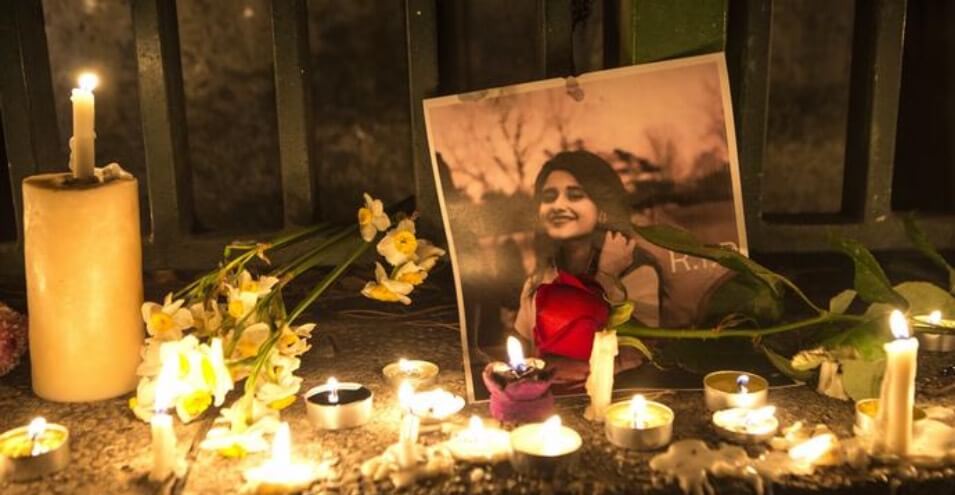
Silence, pressure and a belated condemnation: Vatican's response to bloodshed in Iran under scrutiny
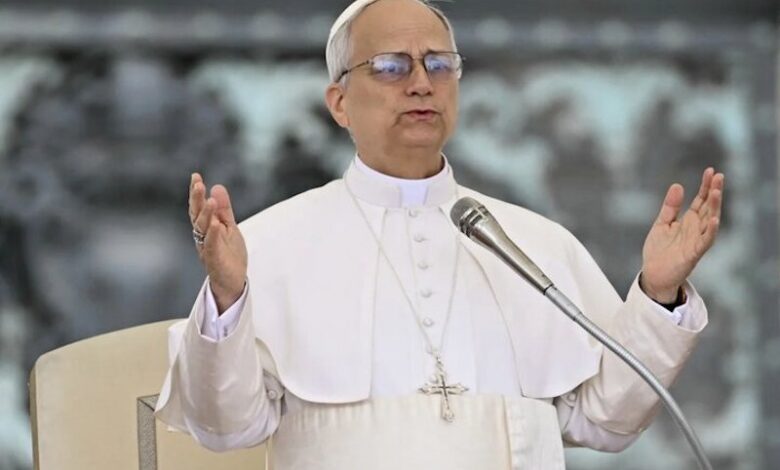
Silence, pressure, and a belated condemnation by the Vatican of the bloodshed in Iran have raised serious questions about the moral role of Christian leaders in the face of repression.
While reports indicate continued executions and deaths of Iranian protesters in detention centers and prisons, Pope Leo XIV's recent stance is seen as the beginning of a wave of questions about the delay in moral response, rather than an end to the silence.
The world's Catholic leader finally condemned the deadly violence in a media interview, without directly mentioning Iran, saying: "I condemn all actions that are unjust and that take human lives. When a government or a country makes decisions that unjustly take the lives of others, it is obvious that this action must be condemned."
Although these statements seem straightforward, for many observers they lack proper timing and sufficient transparency regarding the current situation in Iran.
The reality on the ground, however, presents a different picture; various sources report that a large number of protesters have been killed during the protests, as well as the execution of death sentences for some detainees. What is more worrying is that this process continues in the relative silence of international and religious institutions, a silence that, in the eyes of critics, could give tacit legitimacy to the continuation of the cycle of violence.
Meanwhile, political pressures have also played a role in shaping this stance. Donald Trump had previously harshly described the Vatican's lack of a clear response as "appalling" and called for urgent attention to the situation in Iran. Such criticism, especially when voiced by influential figures, can influence the direction of international institutions.
However, the main issue remains: can a blanket condemnation without practical action bring about a change in the situation?
Critics believe that the Vatican, as one of the world's most important moral authorities, should not only have reacted more quickly, but also needs to take a clear, direct, and consistent stance on human rights violations, especially when human lives are at stake.
From a Christian perspective, defending the oppressed and standing up to injustice is not simply a moral imperative, but part of the mission of faith. For this reason, some Christian activists believe that late responses, even if they are eventually expressed, cannot make up for the void left by the initial silence.
Inside Iran, however, developments are taking their course. Reports of continued arrests, heavy sentences, and executions suggest that the repression has not only not stopped, but in some cases has entered a new phase. This trend has raised concerns about the use of judicial tools to silence protest voices.
Ultimately, what is more important today than ever is the gap between rhetoric and reality. While world leaders talk about the value of human life, in practice, these lives continue to be taken, and this is where the moral credibility of major institutions, including religious ones, is tested.