Global protests against the death penalty continue; Navid Afkari and his brothers have been denied visits and contact
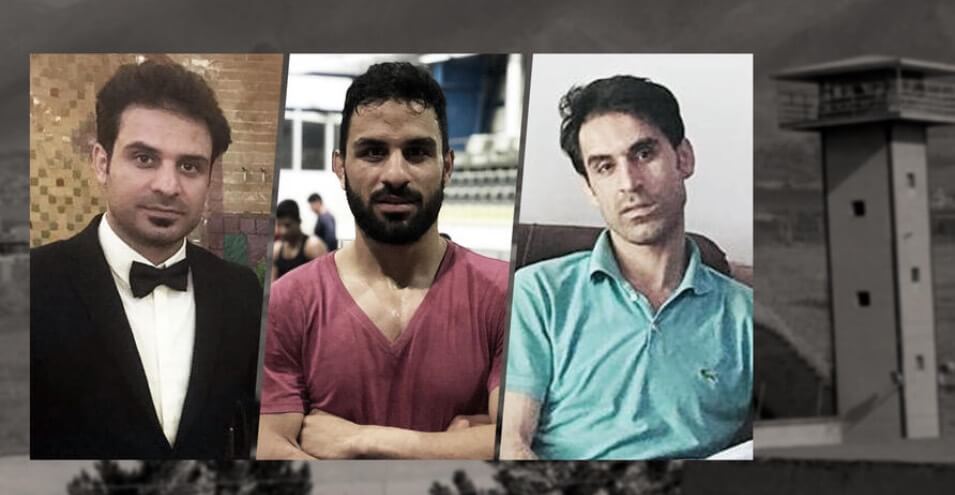
A source close to the Afkari brothers says that all three brothers have been denied visits and contact and have been severely beaten.
The source close to the Afkari family, who did not wish to be named for security reasons, told VOA that Navid Afkari was transferred to an unknown location on Thursday, September 4, without prior notice, and his two other brothers were taken to the Ershad Ward of Adel Abad Prison on Saturday, September 5, after being beaten by prison officials.
According to this informed person, after learning about the transfer of Vahid and Habib to Ershad Ward and not knowing about Navid's condition, the Afkari brothers' family went to Adelabad Prison and requested to establish contact with the three imprisoned brothers, but their request was met with opposition from prison authorities.
According to information obtained, the Afkari family once again visited Adel Abad Prison on Sunday, September 6, to follow up on the situation of the three imprisoned brothers. After three days of silence, they were able to briefly talk to Navid Afkari, a political prisoner sentenced to death, in a phone call. According to this informed person, Mr. Afkari informed his family in this call that all three brothers had been beaten and were currently transferred to the Ershad Ward of Adel Abad Prison. Navid Afkari said: “We have been hurt. They are not allowing us to file a complaint and they are not sending us to a forensic doctor. Tell the lawyers that we must be sent to a forensic doctor.”
Global reactions
Various individuals and organizations have been protesting the death and prison sentences for Navid Afkari and his brothers for the past week. Following the reaction of President Trump and US State Department officials, on Tuesday, Michael White, a former American hostage in Iran, protested the death sentence of Navid Afkari in a video.
Mr. White, a U.S. Navy veteran who was imprisoned in Iran for nearly two years and was released from Iran a few months ago, called on the Islamic Republic to immediately and unconditionally release Navid Afkari in his video.
Preventing a meeting
According to this informed person, Navid Afkari's call was the last contact these three imprisoned brothers had with their family members. Despite the Afkari family's repeated visits to Adelabad Prison over the past two days, they have still not been allowed to visit. In response to the concerns of Bahia Namjoo, the Afkari brothers' mother, who told prison officials, "I don't know if my son is alive or not," prison officials responded that "the last time you came and spoke to Navid, the whole world knew," and emphasized that the Afkari family should "meet the Chief Justice and get a judicial order to contact them."
Ms. Namjoo, the mother of the Afkari brothers, had previously said in videos that agents tortured her sons to make them testify against each other, and that Vahid attempted suicide twice under the same torture.
Voice of America has also detailed the case of these three brothers imprisoned in Iran in a report; the report states, based on information obtained, that their death sentences and long prison terms were based on forced confessions after severe torture and threats.
According to information received by Voice of America, Navid Afkari's case has not changed at this time, the death sentence is final, and the lawyers in the case are scheduled to file their request for a retrial. Afkari's family also hopes that the request for a retrial will be considered and the case of this political prisoner will be reviewed and reexamined.
This person close to the Afkari family told VOA that after Navid Afkari was banned from visiting since Thursday of last week and his other two brothers were banned from visiting since Saturday, the Afkari family's conditions are indescribable and their only concern is a call from Navid to "say I'm alive."
Human rights organizations say the Islamic Republic does not handle accusations fairly and that innocent people have sometimes been tried and even executed. For example, in the 1960s, the Islamic Republic executed thousands of people who had been sentenced to prison.
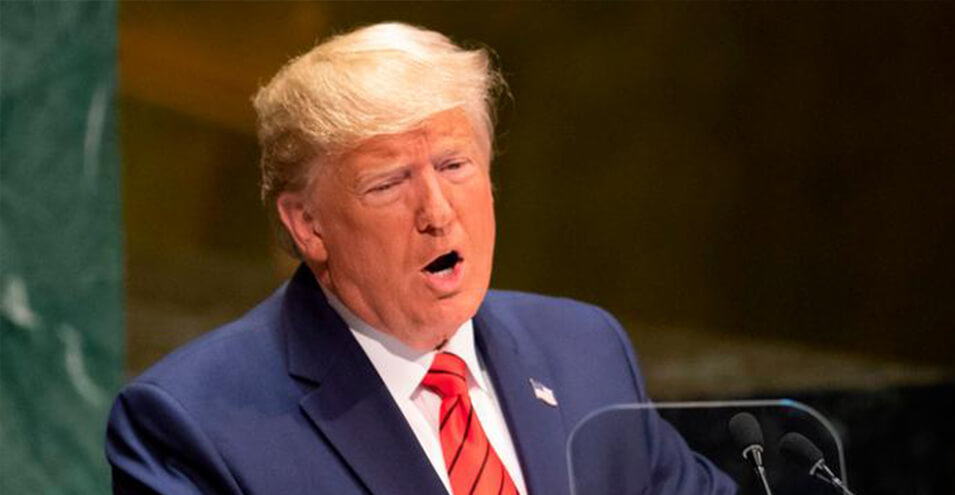
On September 4, US President Donald Trump responded to the news of the conviction of an Iranian athlete for participating in street protests in a message on Twitter, calling on the Islamic Republic's authorities not to execute him.
At the same time, US State Department spokesperson Morgan Ortagus wrote on Twitter: "We, like the world, are outraged by the death sentence handed down to Navid Afkari, who was tortured and forced to make a false confession after participating in peaceful protests in 2018. The Iranian regime also tortured his two brothers and sentenced them to decades in prison. Release them!"