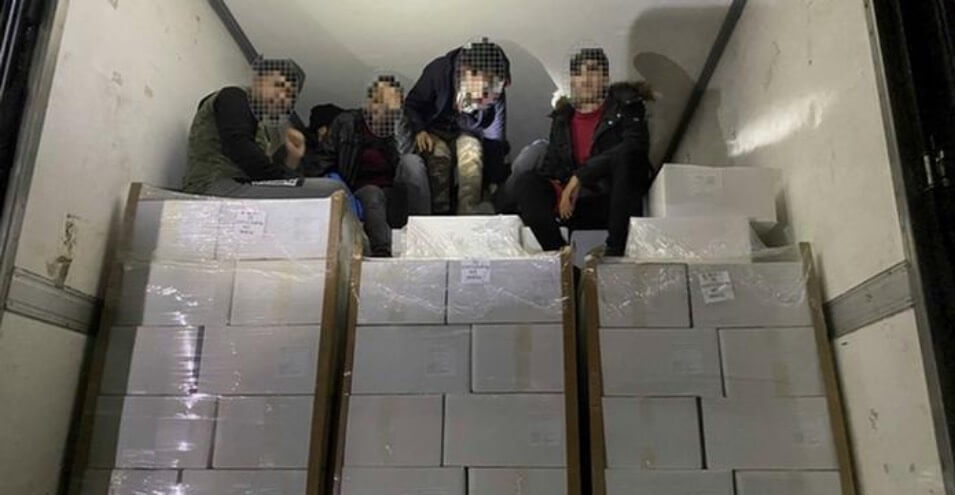
Reforming the asylum process: faster deportations, more cooperation
The European Commission has presented a plan to reform the European asylum system, which includes speeding up the asylum process, increasing deportations and using a crisis mechanism in emergency cases.
The European Commission wants to boost asylum reform, which has stalled negotiations, with new proposals including the effective deportation of rejected asylum seekers.
The proposal presented in Brussels raises the issue of supporting countries such as Greece and Italy, especially in returning those who no longer have a residence permit.
Under the plan, countries like Hungary and Poland would only be obliged to accept migrants in exceptional cases.
The European Commission has simultaneously called on EU countries to play their part in the common migration policy during crises.
Cooperation between European Union countries
The European Commission's proposal, which must be reviewed by EU member states and the European Parliament, proposes a three-stage process.
The plan notes that in normal times, EU countries can voluntarily help each other, but if a country is under pressure, there should be a mechanism to help that country.
The commission will then consider how many refugees should be accepted from this country under pressure. All other countries should help in this regard.
If the situation worsens and a crisis like the one in 2015 occurs, then the crisis mechanism will be activated. In that case, the options for assistance will be more limited: either the migrants are admitted or the task of deporting a certain number of rejected asylum seekers is taken on. These refugees must be deported within eight months, otherwise the country must accept them itself.
Strengthening border checks
The plan also calls for a change in the border screening process. Before a migrant enters a country, they must be thoroughly screened, their name and fingerprints recorded, and they must also be screened for health and security reasons.
For those coming from countries such as Tunisia and Morocco, the review process must be completed within 12 weeks. Otherwise, a normal asylum procedure must be applied to them.
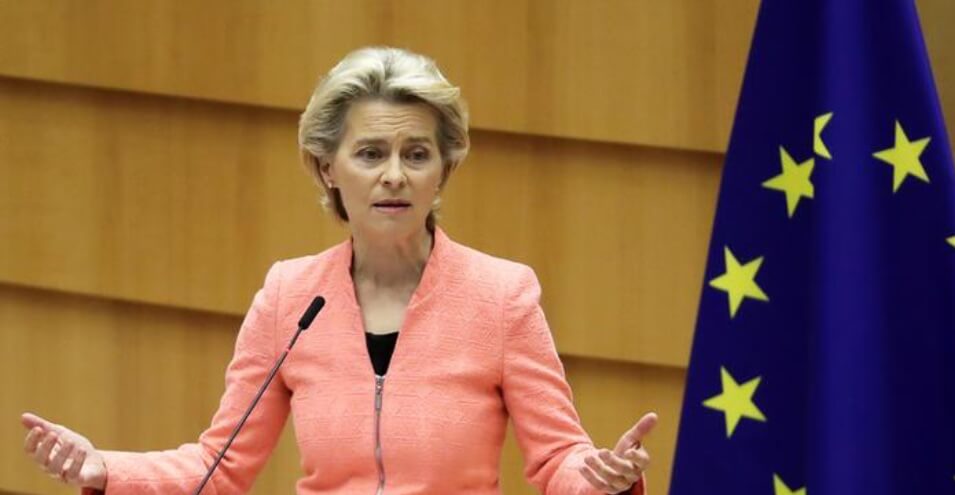
Von der Leyen: Shape migration together
European Commission President Ursula von der Leyen has called on EU member states to use the plan as a chance to unite on the issue of asylum, because the old system, she believes, is no longer working.
"Europe must move away from temporary solutions and introduce a predictable and trusted system for managing migration. It is time to face this challenge together with the right balance of solidarity and responsibility," he said.
It is unclear what the fate of this plan will be. Similar plans have been proposed in the past, but they have all failed. For years, the European Union countries have been trying to adopt a unified policy on asylum and immigration. One of the reasons for the failure of their efforts has been the issue of the forced distribution of refugees across all EU countries.
Dublin rules remain in place.
In addition, the EU Commission is still adhering to the Dublin rules, which make it more difficult to reach an agreement. Under the Dublin rules, the country where an asylum seeker first sets foot on European soil is usually responsible for examining their asylum application.
This mechanism has put undue pressure on southern European countries such as Greece and Italy, which have long called for increased support and the forced distribution of refugees among other European countries.
On the other hand, countries such as Austria, Hungary, the Czech Republic, and Poland have not been burdened with the forced acceptance of refugees and categorically reject it.
Source: DW