German food inspectors stop sale of Iranian cookie
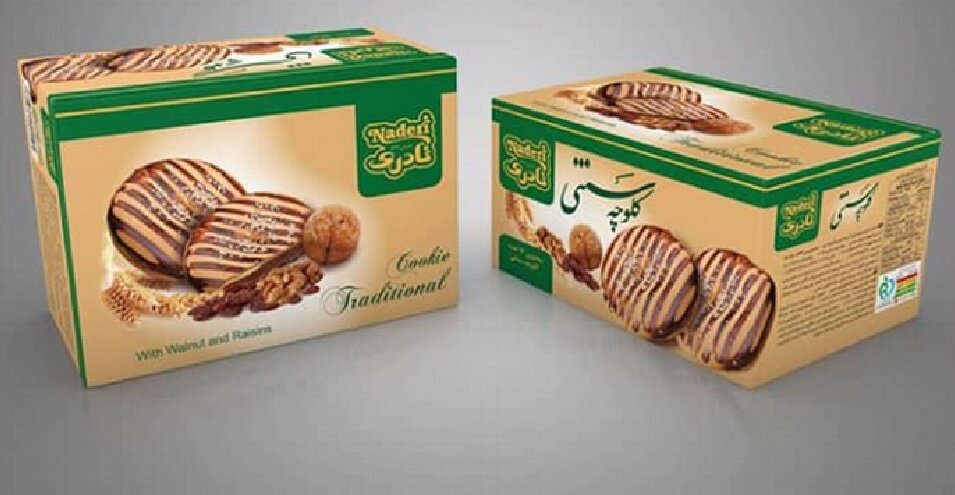
The large Mahyar import-export company in Cologne has announced that it will stop selling “Naderi cookies” as a “preventive measure to protect consumers.” The reason for this is that a batch of these cookies with a specific serial number may be carcinogenic.
According to the "Merkur" magazine on Thursday, December 10, a major Iranian businessman in Germany has stopped selling Naderi cookies following the opinion of the country's food inspectors.
Food controls in Germany are stricter than in many countries, so it is common for a product to be recalled from time to time due to non-compliance with the required standards.
In the latest case, the Mahyar Import and Export Company, headed by Murad Sarafian in Cologne, announced that it would stop selling a series of Naderi cookies in 210-gram packages with an expiration date of April 16, 2021, as a "preventive measure to protect consumers."
The reason for this action is that, according to German food inspectors, eating this type of cookie can pose a health risk due to the presence of contaminants with genetic and carcinogenic effects.
Contamination means that a food item is contaminated with foreign substances, which can be pieces of metal or plastic or pesticides on plants. Pesticides can cause genetic changes that cause problems for the human body.
Eating these types of foods significantly increases the risk of cancer in the medium and long term.
Another danger with these cookies is that they don't have a warning on the package about the presence of peanuts. Peanuts are highly allergenic and can cause dangerous side effects for those with allergies within hours of eating them.
These cookies are spread across the three states of Berlin, North Rhine-Westphalia, and Rhineland-Palatinate.
M. Sarafian Import and Export Company started its business in Germany 40 years ago. The company's website states: "With the increase in Iranian immigration to Germany in the 1990s, the demand for Iranian-produced food and snacks increased. To meet this need and also to give our compatriots a sense of home, we expanded the distribution of food products with traditional foods."
Source: DW