A Christian family of ten is freed from captivity in a brick kiln
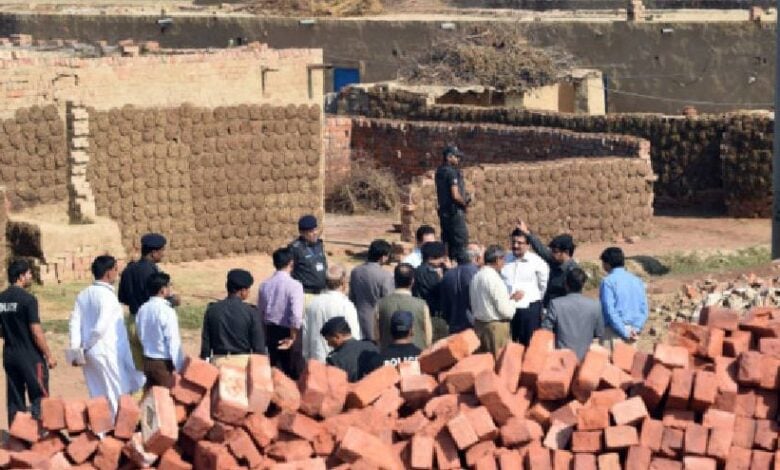
A Christian family of ten has been freed after ten years of captivity in a brick kiln in Pakistan.
A Christian family who were forced to work in a brick kiln in Pakistan for ten years have finally been freed from this exploitation through judicial intervention. The brick kiln is owned by a Muslim man named Jahangir Beg.
Mushtaq Gill, founder of the LEAD Ministries charity in Pakistan, said about the rescue of this family of ten: "This family was forced to work in a brick kiln in the Phul Nagar area of Kasur district, Punjab, for years due to unpaid ancestral debts. With the support of the court, they were freed from the multi-generational debt." He also warned: "Despite legal action, Jahangir Beg, the owner of the brick kiln, has continued to create an atmosphere of fear for this family with his threats."
The father of this family, Asef Masih, along with his wife Sajidi Bejbi and their children, are still concerned about their safety despite their freedom from this modern captivity.
Pastor Imran Amanat, one of the officials of the aforementioned institution, also thanked those involved in this operation and emphasized the need to confront forced labor, or modern slavery, saying: "We demand more decisive action against profit-seeking employers who continue to exploit humans in industries such as bricklaying."
The systematic challenge of forced labor, or modern slavery, in Pakistan is a problem that has existed since the past and continues to this day, in which successive generations of a family are forced into forced labor under the pretext of inherited debts. Mushtaq Gill also expressed concern about this systematic challenge and said: "The Christian community, which constitutes only a small percentage of the population of Pakistan, is the main victim of this exploitative system."
The Christian community in Pakistan lives in poverty, which has led to systematic exploitation by employers and has trapped them in modern slavery. Although Pakistan has laws against forced labor, enforcement of these laws is weak. According to the Global Slavery Index, about 2.3 million people (one percent of the population) are in forced labor. According to the Lahore-based organization, the Labor Liberation Front, the real figure is much higher.
The Punjab Provincial Labor Department has also described forced labor, in which workers are forced to accept and endure inhumane conditions under pressure from creditors, as a "debt-based system."
Mushtaq Gill also criticized this definition, saying: "These legal definitions have not changed the daily reality of workers who have been born and died in a cycle of debt for generations. Despite international attention to this problem in a Muslim-majority country, practical measures to eradicate this exploitative system have been woefully inadequate."
The release of this family was achieved through the intervention of the judicial system, while many Christian couples have been burned in these furnaces due to the prejudice of Pakistani Muslims, but no news of their burning has ever been published.