The January Disaster Compared to the War: The Crime of the Islamic Republic Against the People of Iran
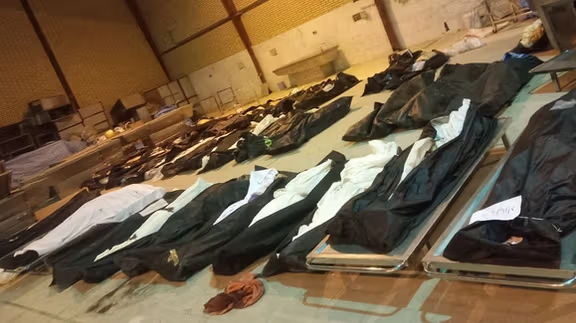
Compared to the war, the January disaster indicates the Islamic Republic's crime against the Iranian people and the brutal massacre of citizens.
As the twentieth day of the war between Israel, the United States, and the Islamic Republic of Iran passed, the human rights organization Hengaw published its latest report, warning of increasing casualties and emphasizing humanitarian disasters and violations of citizens' rights.
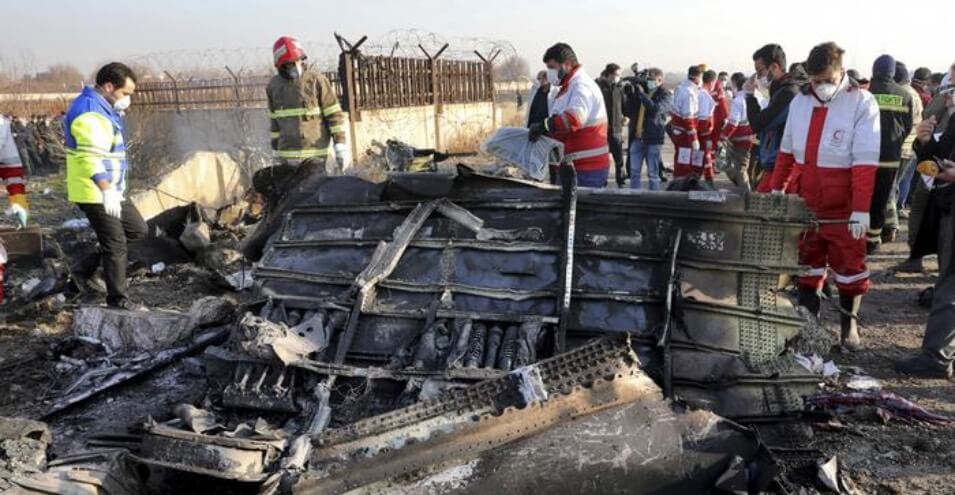
According to statistics compiled by the Hengaw Documentation Center, by the end of the 14th day of the war, at least 5,300 people had lost their lives, 9.6% of which included 511 civilians and 4,789 members of the Islamic Republic of Iran's military forces.
However, a shocking comparison shows that during the January protests, over 32,000 Iranians were killed by the Islamic Republic government; a figure that, in the course of about 20 days of war, compared to the civilian deaths in this military conflict between Iran, the US, and Israel, represents an unprecedented and blatant catastrophe by the Islamic Republic government against its own citizens.
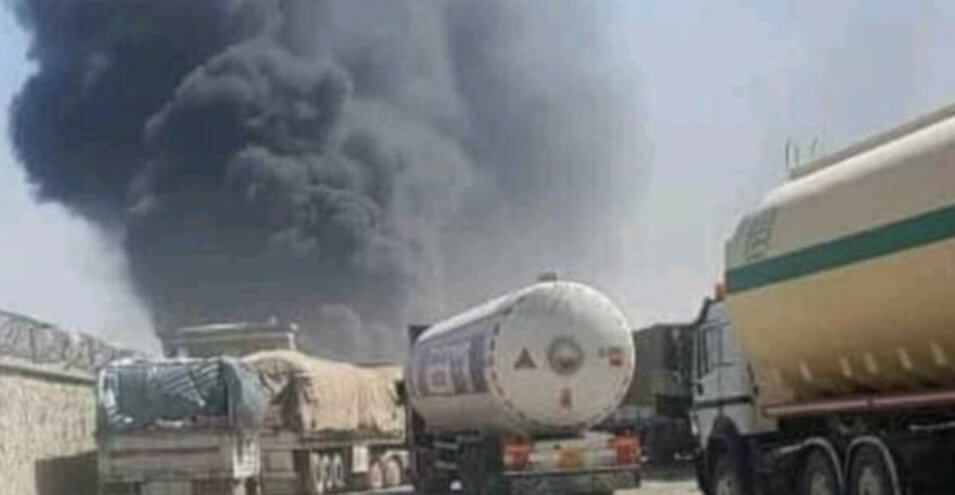
The Iranian military and government centers in at least 178 cities across 25 provinces of Iran have been targeted by air and missile attacks, according to the Iranian Observatory for Human Rights. The targets include Revolutionary Guard bases, Basij centers, military airports, missile sites, police stations, judicial institutions, intelligence headquarters, army barracks, and special forces headquarters.
According to Hengaw, 4,789 members of the government's military have been killed so far, with the majority of victims coming from the air force, the Revolutionary Guards, and the army. The provinces of Tehran, Kermanshah, Hormozgan, Alborz, Kurdistan, and Sistan and Baluchestan have recorded the highest number of casualties. Hengaw emphasizes that the Islamic Republic's security institutions, by practicing a "systematic cover-up," have refused to publish the actual number of casualties and in a few cases have provided much lower figures.
Hengaw also confirms that in the first 18 days of the war, at least 511 civilians lost their lives, 120 of whom were children and 160 were women. The highest number of civilian casualties was recorded in Hormozgan province, especially female students at the “Shajre Tayyebeh” primary school. Other provinces such as Tehran, Kurdistan, Kermanshah, Fars, Khorasan Razavi, Qazvin, Alborz, Ilam, Markazi, Lorestan and Azerbaijan also witnessed the killing of dozens of women and children.
This figure, compared to the 20 days of war, when 5,300 people were killed, shows that the killing of Iranians in the January protests has exceeded even the casualties of a large-scale military war. Such a reality has practically created a humanitarian catastrophe and a blatant crime against unarmed citizens.
In addition to these reports, the Islamic Republic's military forces have abandoned their official bases and have deployed in public and civilian areas such as schools, dormitories, and mosques. This action, according to the Geneva Conventions, is considered the use of "human shields" and has put the lives of civilians at serious risk.
The Human Rights Organization of Iran (HNGAO), citing the Fourth Geneva Convention, emphasizes that the parties to the conflict are obliged to strictly distinguish between military and civilian targets. The organization calls on international bodies, especially the UN Security Council and human rights institutions, to immediately activate protective mechanisms to protect the lives of civilians by pressuring the parties to the war and by specifically monitoring the Islamic Republic's covert policies.
While the world watches developments, these data once again show that the Islamic Republic, whether in domestic protests or in the face of war, is willing to sacrifice the lives of its citizens for policies of repression and maintaining power; something that is not only a clear violation of human rights, but also a clear crime against the Iranian people.