Widespread corruption in Iran; 75 large companies have not returned 5 billion euros in export currency to the country
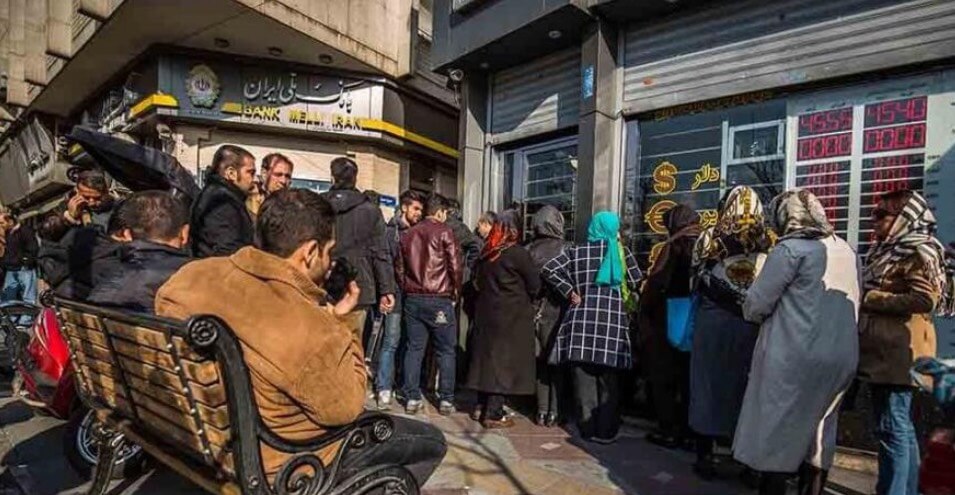
While the increase in the exchange rate in the Iranian market has increased sensitivity to the return of exported foreign currency to the market, reports indicate that dozens of companies, mainly state-owned and semi-state, have not returned about 5 billion euros of exported foreign currency to the country.
Ruhollah Izadkhah, a member of the Parliament's Industries Commission, told the Eqtesad Online news site on Tuesday, August 4, that out of a total of 3,500 companies that have not returned their export currencies, 75 "large-scale" companies, mostly state-owned and semi-state, have taken possession of more than 5 billion euros of foreign currency and have not yet returned it.
This is while, with the devaluation of the Iranian national currency, the exchange rate in the Iranian free market has increased sharply since the beginning of this solar year, and each US dollar has risen from about 15,000 tomans to more than 25,000 tomans. Of course, after a while, the price of the dollar has declined slightly.
As the exchange rate increased, criticism of the Central Bank of Iran increased; but the Central Bank also attributed part of the problem to the failure of exporting companies to return the currency. Although the Central Bank was supposed to introduce foreign exchange violators and companies that have not returned their currency to the Iranian market, it has not yet returned $27 billion in exported currency, and has only introduced the details of violators of $6 billion.
The head of the Iran-Iraq Chamber of Commerce has also said in this regard that the majority of exporters who have not yet returned the exported currencies to the country are government-affiliated entities, and for this reason their names are not being announced.
In recent years, with the exchange rate fluctuating sharply, the Central Bank has required exporting companies to return the foreign exchange received from their exports to the domestic foreign exchange market through a designated system within at least four months; but it has now become clear that even in a situation where the Iranian market is in dire need of foreign exchange, mainly state-owned and semi-state companies are not returning the foreign exchange earned from their exports to the country, including 75 "coarse grain" companies that have not yet returned 5 billion euros of foreign exchange to the country.
In recent years, following exchange rate fluctuations, the government provided billions of dollars at the rate of 4,200 Tomans to some companies and individuals as special currency for importing essential and basic goods. However, months later, it became clear that these companies, which mostly had close ties to the government and government institutions, either did not import or imported miscellaneous and unnecessary goods at a much lower rate than the currency they received.
This widespread corruption in the foreign exchange market and government-affiliated institutions comes at a time when citizens have endured severe inflation and heavy economic pressure in recent years and have repeatedly launched widespread protests in protest of inefficiency and economic problems.
The United States government has repeatedly stated that instead of helping the people's economic situation, the Islamic Republic's authorities are seeking to steal from the country and aid their proxy groups in the Middle East.
US Secretary of State Mike Pompeo said on International Anti-Corruption Day: "The Iranian people have spoken out loud and clear. They have rejected forty years of corruption and abuse and have called for an end to the dictatorship and an end to choosing the interests of foreign actors over the interests of the Iranian people."
The United States has also repeatedly condemned institutionalized financial corruption and the plundering of Iran's God-given assets by the regime's affiliates, citing them as the main causes of Iran's economic and financial problems. Not long ago, US Secretary of State Mike Pompeo tweeted about the Islamic Republic's officials that they were involved in corruption instead of helping the people.
Source: Voice of America