Deputy Minister of Health: The main disaster occurred in Tehran
Iraj Harirchi, the deputy health minister, says that more than a fifth of daily deaths in Iran are related to coronavirus patients. He called the movement of groups during the month of Muharram impossible and said that we are waiting for the opinion of the Leader of the Islamic Republic in this regard.
The deputy general of the Iranian Ministry of Health, on the evening program of the Iranian Broadcasting Corporation, called the joining of the blue and white provinces to the red provinces a “disaster” and called Tehran the “main disaster.” Harirchi said that the capital is in the third highest number of coronavirus cases and deaths.
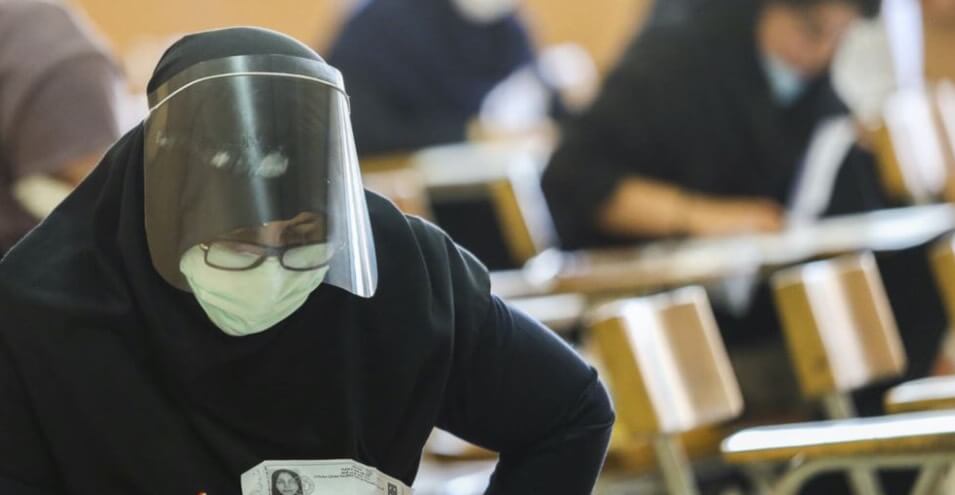
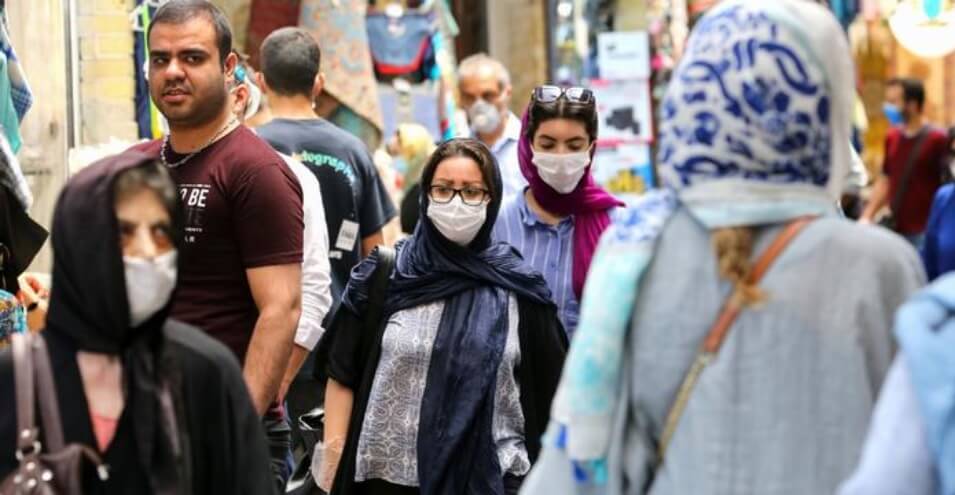
He considered it necessary to observe the effects of mortality on people's behavior to take a period of four to six weeks, and he considered the only behavioral change in the past three weeks to be the increased use of masks: "The mask usage figure should be 80 to 95 percent, but now it is between 50 and 60 percent."
On Tuesday, August 27, the official daily death toll from the coronavirus in Iran reached its highest level, with 235 deaths in a single day, bringing the total number of deaths from the disease to 16,273. Sima Lari, a spokeswoman for the Ministry of Health, announced that 15 provinces are in red status and 11 provinces are in alert status.
Referring to this figure, the Deputy Minister of Health told the 21st News Channel of Sima Channel 1: "The total daily death toll across Iran is 1,000, or 235, which is nearly 25 percent and more than a fifth of the deaths. People should take this warning seriously and be careful of children and young people and their social behaviors."
He noted that in Iran as a whole, only five provinces are not in a red zone, and warned that out of the country's 82 million population, 72.5 million people live in red zones.
At the same time, Harirchi ruled out a sharp or explosive increase in deaths due to the coronavirus in Iran and said about the cancellation of the traffic plan: "Since most restrictions have a direct impact on people's livelihoods, our government, like other governments, is cautious. But if the death toll and hospitalizations increase, the government will be forced to impose more holidays."
He warned that the increase in hospitalizations would mean an increase in the death toll within two weeks: "Our total hospitalizations are nearly four thousand people per day, and this shows that most provinces have turned red."
Corona and Muharram ceremonies
Regarding the Muharram mourning ceremonies and groups, the Deputy Minister of Health pointed out the problem of maintaining social distancing in gatherings and said: "This gathering is not possible at all this year. Groups and gatherings outside in closed spaces will not be possible." Harirchi added that we must await Ayatollah Khamenei's opinion on this matter.
A few days ago, Hassan Rouhani called the dichotomy of “mourning and health” incorrect and said that ceremonies, even in red cities, should be held with “majesty and splendor.” This emphasis was met with much criticism, and it was seen as his blackmailing of fundamentalist and extremist forces and playing with people’s lives. However, the Custodian of the Holy Shrine has praised this stance.
The National Anti-Coronavirus Task Force Information Committee has published health guidelines for Muharram ceremonies in its latest announcement, allowing mourning programs only in closed and approved environments. The committee has called on the public, religious delegation officials, and speakers to comply with the regulations. Among the prohibited items are the reception and distribution of sherbet and offerings in tekkies and gatherings.
These recommendations come as the Ministry of Health has expressed its firm opposition to crowded Muharram ceremonies, especially in indoor settings. Alireza Zali, commander of the coronavirus response headquarters in Tehran province, has repeatedly warned in recent days and weeks that a “dangerous autumn” is ahead if this situation continues, given the increase in cases and deaths after restrictions were eased.