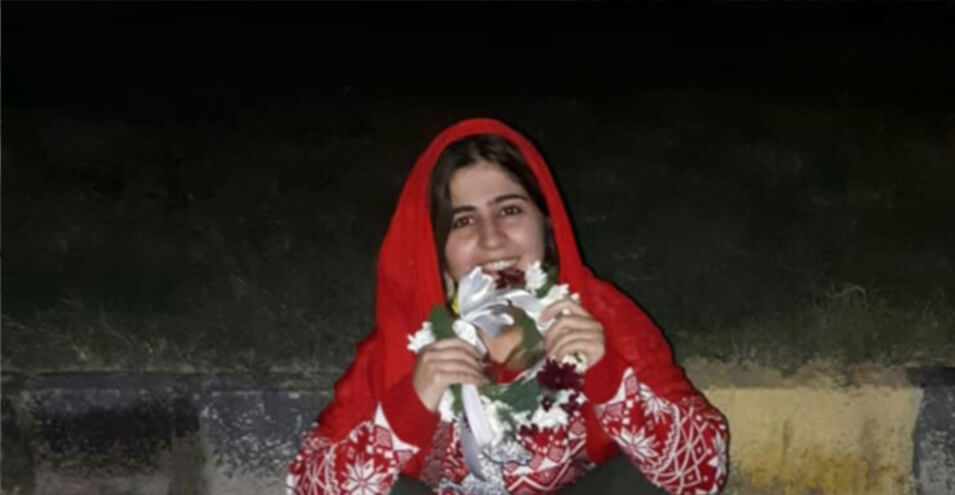
The hashtag "I bear witness" became popular on Twitter; Iranian users wrote about crimes and widespread human rights violations in Iran
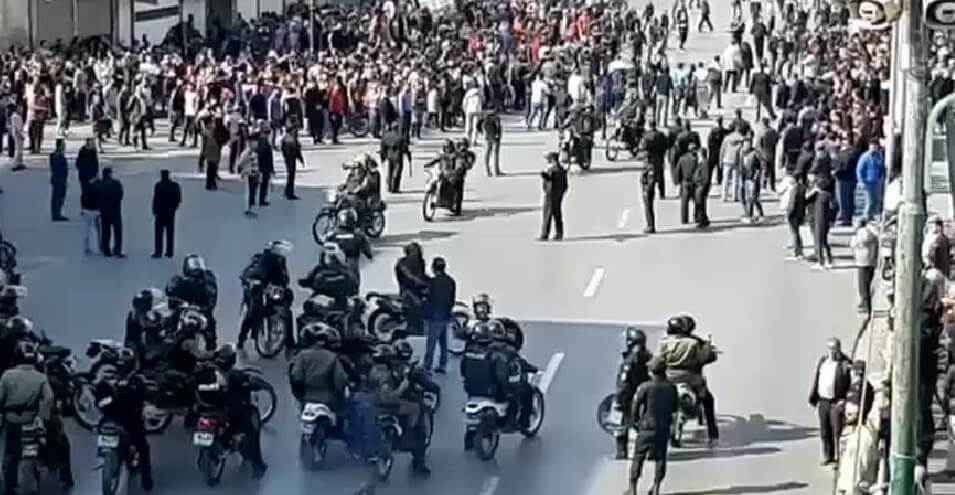
Using the hashtag #Shahadat_Midham, Iranian Twitter users recalled numerous human rights violations in the Islamic Republic's more than four decades of existence.
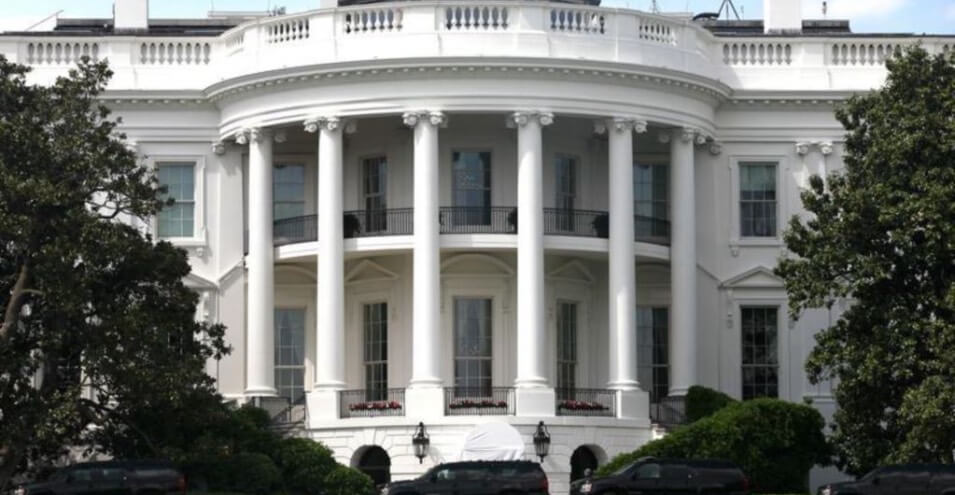
The United States government, which has repeatedly protested human rights violations in Iran, last week placed a number of individuals and entities in Iran, including two judges, on a sanctions list for human rights violations. A week ago, dozens of countries also issued a statement condemning the widespread human rights violations in Iran.
Initially, Maryam Karim Beigi, whose brother was killed by the government during the 2009 protests, reminded on Twitter that Shahin Naseri had disappeared because Navid Afkari was tortured and suggested that Iranian Twitter users write about the Islamic Republic's cruel actions using this hashtag; hours later, with thousands of messages being posted, this hashtag became hot and became the number one trend on Twitter in Iran.
On Friday, October 1, following a Twitter request from "Maryam Karim Beigi," the sister of "Mostafa Karim Beigi," one of the victims of the 2009 protests, these users used #Shahadat_Midham in their Twitter messages, referring to the killing of protesters in November of last year, the suppression of Dervishes and Baha'is, the harassment of families of security and political prisoners, the killing of political prisoners in the 1960s, and other anti-human rights behaviors of the Islamic Republic.
Mahdieh Golroo, a political activist and former prisoner, referred to the execution of Zahra Bahrami in 2009 in her tweet and wrote: " #I_bear_testimony. When Zahra Bahrami was taken from her bed in a pink blouse and pants to be executed after a silence, we never thought it would be the last time we saw her."
Hanieh Daemi, the sister of imprisoned civil activist Atena Daemi, referred to the abuse of the prisoners' families in her tweet and wrote: "I testify that the IRGC and Ministry of Intelligence intelligence agents beat my mother in front of my eyes."
A user named Faezeh referred to the deaths of kolbars who risked the cold and border guards' gunfire for a small wage, and added the names of kolbars who died, such as Farhad Khosravi, and wrote: "I bear witness to bread in exchange for life."
Journalist Babak Ghafouri Azar also referred to the execution of Saeed Sultanpour, a director and writer who was executed in 1988.
Another user posted a picture of Mohsen Mohammadpour, a 17-year-old worker, and wrote about his death during the protests in November last year.
Some users also pointed to the imprisonment of two students from Sharif University of Technology for their political activities. A user wrote: "I testify that Ali Younesi and Amir Hossein Moradi, elite Iranian students, are now in prison instead of being at university."
Shahnaz Akmali, the mother of Mustafa Karim Beigi, also used this hashtag to point out numerous cases of the Islamic Republic's anti-human rights actions, including the deaths of detainees and the arrests of the families of activists, including the innocence of Ali Alinejad.
Some users also referred to the victims of the IRGC's self-defense fire on the passenger plane. One user posted a photo of the children who were killed in that incident and wrote: "I testify that these children were victims of your harsh revenge."
A number of users, referring to the widespread executions of 1988, declared that they testified that these prisoners were executed while serving prison sentences.
A number of other users pointed out the dire situation of political and security prisoners in prison, including Arash Sadeghi, who is denied cancer treatment.
The mass arrest of Gonabadi dervishes and the execution of Mohammad Salas are other cases that have been mentioned.
Shahin Milani also wrote in his tweet that he testified that the Islamic Republic executed a person simply for drinking alcohol.
The rise of the Shahadat_Midham hashtag comes at a time when the Islamic Republic has been repeatedly criticized and protested by international organizations and some countries for human rights violations over the past year, including issuing death sentences to opponents, torturing and suppressing protesters, and pressuring civil society activists and human rights defenders.
Source: Voice of America