Israel's promise to Iran for regime change
In a message addressed to the Iranian people, Netanyahu promised them regime change in Iran.
In a speech, Benjamin Netanyahu announced the continuation of Israeli attacks on the military targets of the Islamic Republic, spoke about revenge against Ali Khamenei, and promised regime change to the Iranian people.
The Israeli Prime Minister announced the attack on Phase 14 of the South Pars gas field. The gas field, which sweetens gas produced from the South Pars basin and the Nar and Kangan fields, was attacked by a drone.
The Iranian Oil Ministry also announced that the fire at the South Pars Phase 14 refinery and Fajr Jam has been contained. The attack on the refinery is a sign of the expansion of Israel's goals. The attack on Bushehr and Iran's oil and gas industry was part of a series of Israeli attacks that began on Friday morning, June 13.
The Tasnim news agency, which is close to the Revolutionary Guards, reported that gas activity in the South Pars field in Bushehr has been temporarily halted, a site that was refining 12 million cubic meters of gas daily on the Phase 14 platform.
According to local reports in Bushehr, the site was likely attacked by an Israeli drone, triggering Bushehr’s air defenses to counter missiles and drones. The Israeli military also announced after warning sirens sounded near the Dead Sea and the southern West Bank that several drones launched by Iran towards Israel had been intercepted and shot down. Iranian state media reported, in turn, that several Israeli drones had been shot down while they were conducting reconnaissance missions in the northwest of the country.
The editorial of the famous French newspaper "Le Monde" on Saturday, June 15, was also about the war between Israel and Iran. The newspaper wrote in its editorial: "The rain of bombs that the Israeli army is raining down on the military, nuclear facilities, and infrastructure of the Islamic Republic of Iran, more than anything else, reveals the isolation and fragility of the hated regime of the Islamic Republic inside and outside Iran."
Lemond added in his editorial: “By stubbornly pursuing a policy of military-grade uranium enrichment, the Iranian regime has now exposed the country to invasions that enjoy the open or covert support of many Western countries. Israel’s attacks on the Islamic Republic of Iran have come at the worst moment in the regime’s life. Israel’s displays of power and taunts have exposed the limitations of the Islamic Republic of Iran’s arsenal and its regional strategy in every respect. The Islamic Republic of Iran, having lost its first defensive ring under the title of the ‘axis of resistance’ (Hezbollah, Hamas, the Assad regime, etc.), is today internally disintegrated and weaker than ever.”
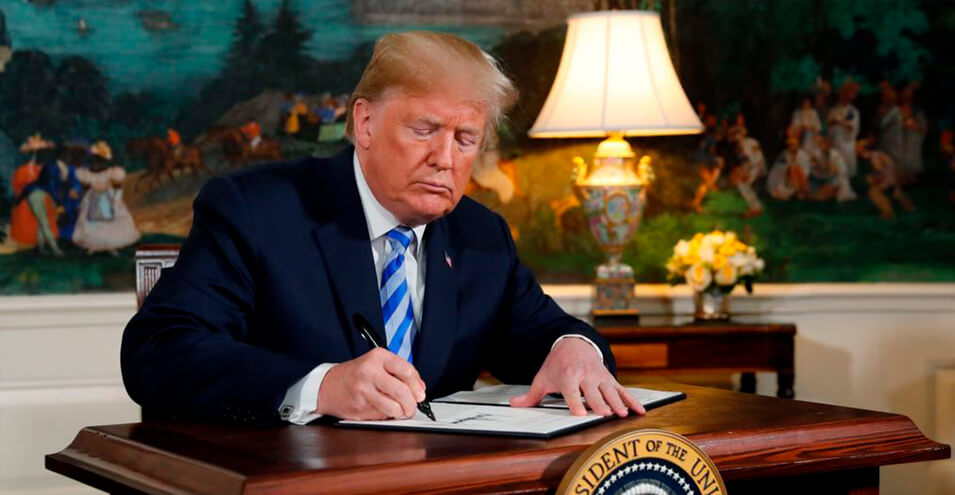
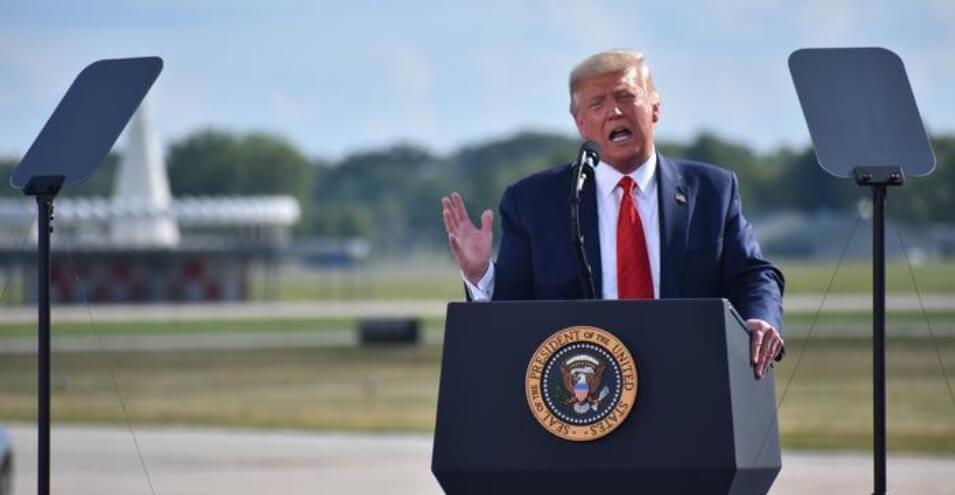
The famous newspaper Lemond also referred to the years of the Islamic Republic regime and the repression of the Iranian people, writing: "After enduring decades of repression and economic deprivation as a result of sanctions, the Iranian people show no desire to support a hated and discredited power. The Islamic regime has squandered all its opportunities over the past ten years to abandon its worrying nuclear program in exchange for integration into regional and global relations, and has squandered the last chance that Donald Trump gave it to break the deadlock. Now the Islamic Republic says that reaching an agreement with the United States is pointless or meaningless because of Israeli attacks.
Now, Israel, disregarding international law and relying on its military superiority in the region, has targeted not only the nuclear program but even indirectly the survival of the Islamic regime of Iran. From now on, the stakes of the current conflicts between Israel and Iran go beyond the purely military arena. From now on, the question is whether the current confrontation will lead to the fall of the hated regime of the Islamic Republic or, conversely, will this confrontation strengthen the efforts to acquire nuclear weapons.