The Global Left Against Iran's Bloody Repression: Silence or Complicity?
The global left's silence on the bloody suppression of protests in Iran has exposed this group to the blood of the Iranian people.
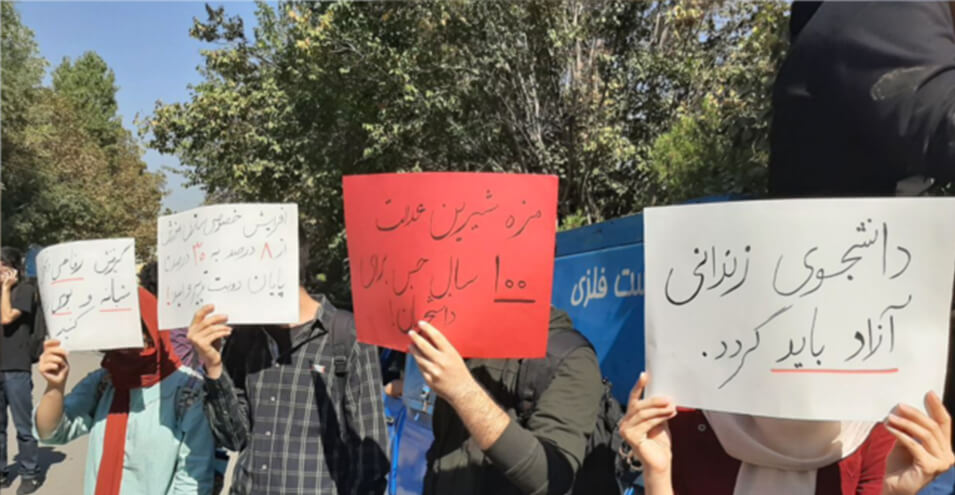
The protest movement in Iran, which began in December 2025 with widespread economic upheavals and has become the largest wave of political discontent in the country in recent times, has not only challenged the regime but also shown that millions of Iranians demand freedom, justice, and fundamental civil rights. However, in the face of this historic and bloody uprising, a section of the global left and the media influenced by it have chosen a time-consuming and highly critical silence.
The protests began on December 28, 2025, in Tehran and other cities and turned into a nationwide protest movement against the government, with slogans that went beyond economic demands and toward demanding an end to Iran's theocracy.
In response, the Iranian government has shut down the internet across the country and severely repressed the population. This widespread communications blackout began on January 8, 2026 and continues today, in an attempt to hide the true state of the protests, arrests, and deaths.
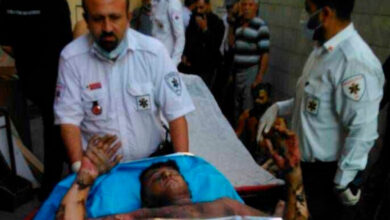
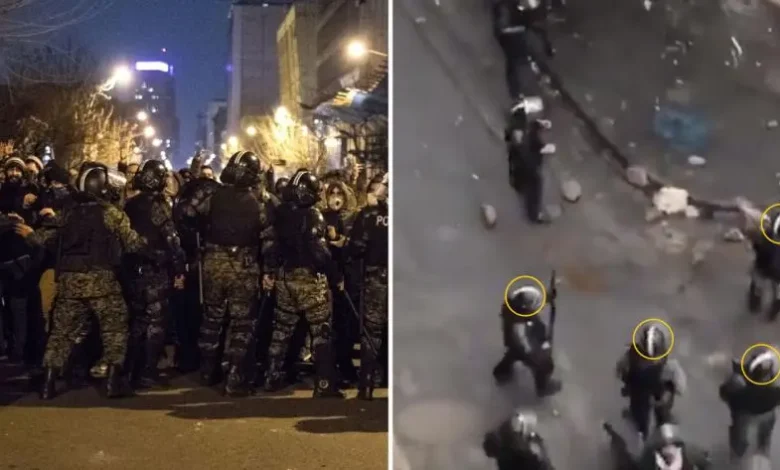
Human rights organizations have also reported that security forces have used live ammunition, live ammunition, direct fire, and unlawful violence to disperse protesters, resulting in the deaths of dozens to hundreds of people.
Incidents such as the killing of Saghar Etemadi, a young female protester who was killed by direct fire from repressive forces and became a symbol of the protests, demonstrate the government's unprecedented cruelty.
While the protests have quickly become one of the most significant and bloodiest protest movements in the world, much of the mainstream media and left-wing Western media outlets have underreported or covered the crisis too late.
International newspapers have also faced significant delays in covering the protests, or in some cases have shifted their media focus to other crises, such as the war in Gaza or domestic political developments in the West, while the Iranian people face violence and repression with the bullets of war.
Criticisms in Western news media indicate that some major media outlets, such as ZDF in Germany, have paid much less attention to the Iranian protests than to their daily coverage of the war in Gaza, and even the choice of sources for analysis in their reports has been a matter of debate.
In the leftist English-language media space and the global left, a significant portion of movements and activists have been strangely and critically silent or even indifferent to the historical protests in Iran. Some analysts, including critical analytical articles, consider this silence not only indifference, but also a conscious choice of an anti-Western intellectual system in which “anti-Western” governments are fundamentally considered more legitimate and set aside criticism and responsibility for repression.
Critics believe that this leftist silence becomes more apparent when these same activists and media outlets are highly active and reactive on other issues (such as the policies of other regimes or Western crises), but remain silent or downplay the Iranian people's uprising against brutal repression.
This criticism, which has been raised in some press outlets, emphasizes that "selective criticism" causes those media outlets and activists to present a shaky example of justice, freedom, and human rights, as they remain silent in the face of a nation's uprising against the most repressive security apparatus in the region, even when hundreds to thousands of people are killed, detained, and under pressure.
As a result of this silence, the Iranian protest movement has faced minimal global solidarity from leftist media and a large number of independent human rights activists, while these protests could have attracted broader global solidarity. Some observers say that this “selective silence” is not only a media error, but also a moral betrayal of the ideals that these movements claim to defend: freedom, justice, human rights, and anti-oppression.
Human rights activists, filmmakers, and Iranian artists in exile have also repeatedly called for global attention, international pressure, and breaking the information blockade to prevent the concealment of facts, but these demands have been met with little sensitivity from left-wing media.
The Iranian protest movement has emerged at a critical time in contemporary history, an uprising demanding freedom, justice, and the end of an authoritarian regime. While thousands have been killed and tens of thousands arrested, this brutal crackdown demands widespread reflection, unabashed criticism, and global solidarity.
But the silence of the media, especially the leftist media and aligned intellectual currents, not only does not reflect reality, but also indicates a practical conflict with the principles of freedom and justice; because when the oppressor stands against his own people, all those who defend human rights must raise their voices of protest and solidarity.