How the Islamic Republic failed to control the spread of the coronavirus as it reached Iran's gates
The Associated Press reported on how Iranian authorities failed to stop the spread of the coronavirus.
The report states that while Iraj Harirchi, the man tasked with leading the response to the coronavirus outbreak, promised in front of cameras that the virus was not a threat to the country, he himself announced a day later that he had contracted the virus and was in quarantine.
The Associated Press says the Harirchi affair is a small picture of what happened in Iran.
Nearly nine out of every 10 coronavirus cases in the Middle East are in Iran. More than 16,000 people in Iran have been infected with the virus and at least 988 have died.
The Associated Press writes that in Iran, the government controls the media and journalists, and they face restrictions on information, and because of this, many aspects of the coronavirus outbreak in Iran remain unknown. For example, it has not yet been announced who the first person to contract the coronavirus in Iran was and where he contracted the virus.
Public opinion points to the religious city of Qom as the origin of the virus, but how it entered the city remains unclear. Some officials have suggested that a businessman may have brought the virus after returning from China. Qom is a religious city visited by pilgrims, but it has also attracted Chinese students to study religious sciences, and a Chinese company is building a high-speed train line worth $2.7 billion. China is also building a solar panel factory in Qom.
Despite the outbreak of the coronavirus in China, flights from Iran to that country continued. The first two cases of the virus in Iran were reported on February 19, and both were said to have died in Qom. This is despite the fact that symptoms of the disease can take up to two weeks to appear and these people were likely infected with the virus in early February.
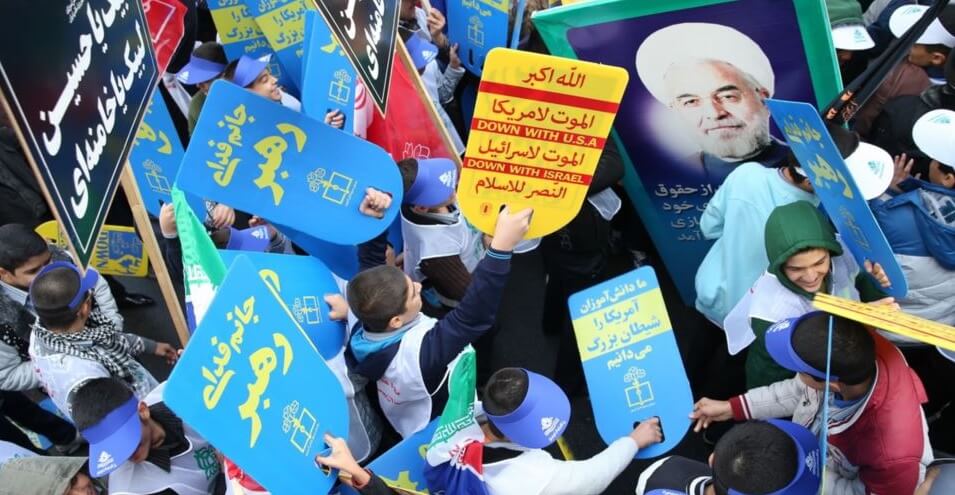
The Islamic Republic has not provided any details. Iranian analysts say the silence may have been due to the fact that the Islamic Republic was celebrating the 41st anniversary of the 1979 revolution at the time. Iran also held parliamentary elections two days after the announcement of two coronavirus deaths, as the government was desperately seeking high turnout after the November protests and the downing of a Ukrainian plane. But turnout was low, and Ayatollah Khamenei blamed the media coverage of the coronavirus for influencing turnout, and praised the turnout in the virus-stricken city of Qom.
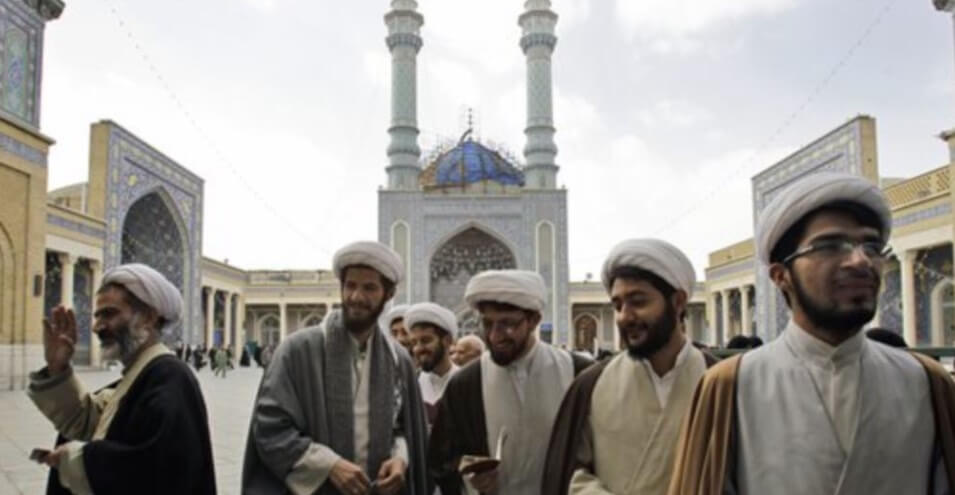
Iranian authorities also refused to close Shiite religious sites. The shrine of Hazrat Masoumeh in Qom has been open 24 hours a day, seven days a week, and people touch and kiss its shrine, and it has also hosted foreign pilgrims. The closure of the shrine has been met with opposition from many clerics.
Source: Voice of America