Coronavirus in Iran: 42% of critically ill patients are hospitalized in Tehran

The commander of the Corona Countermeasures Headquarters in Tehran warned of the severe exhaustion of medical staff and the volume of family clusters, calling for more serious intervention by the responsible bodies in imposing new restrictions and reviewing health guidelines.
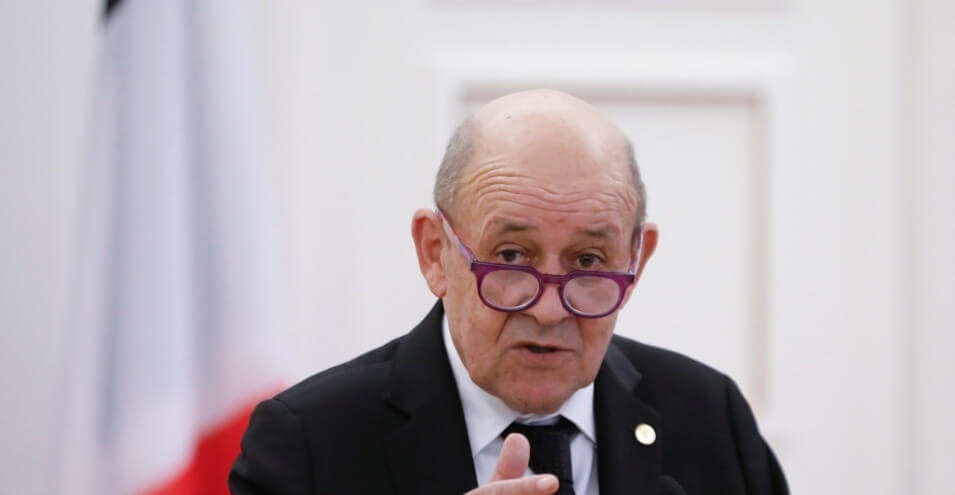
Alireza Zali, commander of the coronavirus response headquarters in Tehran province, pointed to the peak of the coronavirus in the capital and stressed the need for greater intervention by regulatory bodies to impose restrictions in the Tehran metropolis. He considered the extension of restrictions and closures in Tehran province insufficient and said: "If we are looking for effectiveness, we must consider more serious interventions."
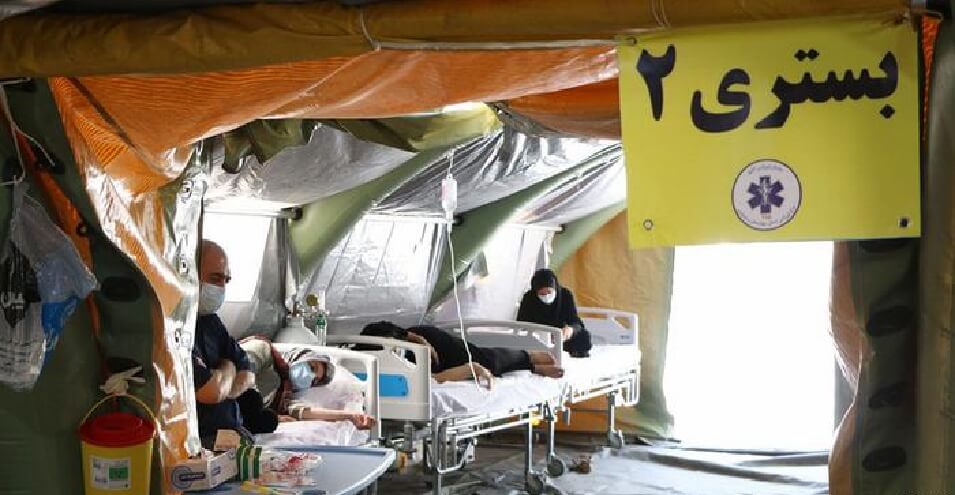
Zali reminded on Wednesday, October 20, that more than six thousand beds in Tehran hospitals are occupied by coronavirus patients: "We need more restrictions with higher deterrent power. The face of this epidemic looks very harsh. Health guidelines must be reviewed."
The commander of the Corona Countermeasures Headquarters in Tehran Province warned that medical staff are very worn out and exhausted due to the ravages of Corona: "If we continue to face an increase in the number of cases of Corona, we will face problems due to the low potential of treatment and health staff."
He also called on the Ministry of Health to increase the quota of medical staff in Tehran as soon as possible. Mehr News Agency quoted Zali as saying: “Over the past 24 hours, more than 852 new patients were admitted to Tehran hospitals due to coronavirus, of which more than 165 patients required intensive care.”
Zali recommended that anyone with clinical symptoms of COVID-19, including fever, muscle pain, changes in smell and taste, and fatigue, be sure to observe a two-week quarantine. He added that Tehran is facing a significant volume of “family clusters,” while this phenomenon was less common during the first peak and second wave: “Currently, many times parents of families come to us with their children, and their clinical condition is more complicated.”
Zali had previously emphasized the critical situation in Tehran and considered the one-week closures ineffective in reducing the spread of the coronavirus.
For three days, the number of coronavirus victims in Iran has exceeded 300. Officials are reporting that the situation is critical, while official statistics are not credible considering the number of burials and field evidence. ISNA news agency quoted Masoud Mardani, a member of the scientific committee of the coronavirus task force, as saying: "In order to know how many people are actually dying every day, this number must be multiplied by 2.5 to get the real number."
Minoo Mahrez, another member of the committee, also attributed the non-closing to political issues. She called the situation in Tehran terrible and said it was too late to quarantine: "The least we have left is to declare a two-week holiday until the disease subsides. Maybe it will reduce the burden on hospitals a little."
In recent months, Iranian Health Minister Saeed Namaki has repeatedly complained about the “carelessness” of the people and the lack of funding, while praising the Leader of the Islamic Republic. In his latest complaint, he said: “You can’t stop the epidemic by begging. The person who is the bomb is the virus, and when we ask him why he didn’t wear a mask, he says he doesn’t believe in coronavirus… How much do my colleagues and I have to beg? Where in the world do the Minister of Health and medical personnel beg… Which of our buses complies with the principles of health protocols? In Tehran, we announced that buses are a source of the spread of the virus, saying that more buses will be added by the end of May, but not a single bus has been added.”
Namaki, who apparently has serious factional differences with Hassan Rouhani, stated and threatened during a visit to West Azerbaijan: "If one day they are going to blame the Ministry of Health for the failure to manage the epidemic, I will open my mouth and say who did what."
He also considered the fines for people without masks to be a formality, saying that only 40% of public transportation passengers wear masks, but at the same time, Salavati tea stations have been set up on the streets, which are places where people gather in close proximity.
In response to the complaints and the Health Minister's report on the situation, Hassan Rouhani wrote briefly: "Friends of the government, from Dr. Nobakht, Dr. Hemmati to Dr. Rahmani Fazli, have taken useful and effective measures to the best of their ability. Just as we should not underestimate the danger of the virus, we should not underestimate the enemy's unprecedented, inhumane sanctions."
At the end of this text, Rouhani asked Namaki to raise any important issues he had at the committee chairmen's meetings on Thursdays.
Source: DW