Kohgiluyeh and Boyer Ahmad; 333 first and second grade high school students dropped out in the 1400-1401 academic year
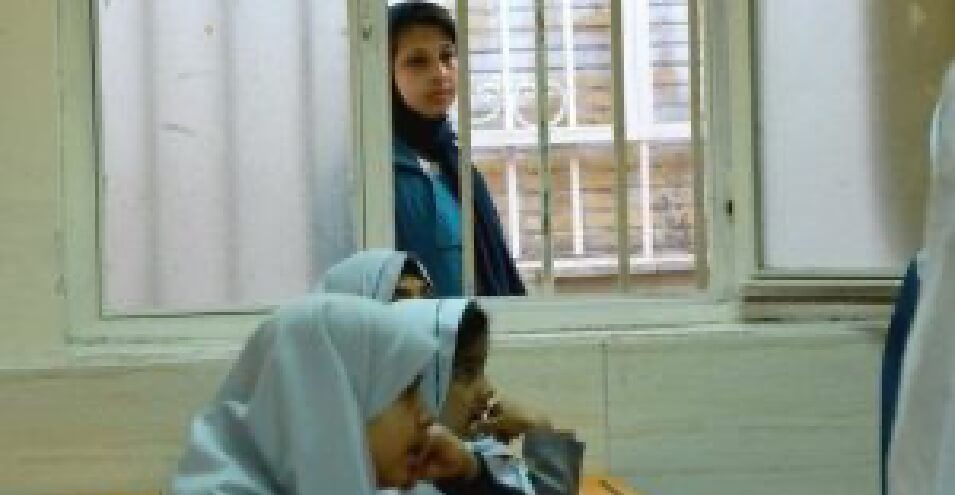
According to the Director General of Education of Kohgiluyeh and Boyer Ahmad, at least 333 first and second grade high school students in this province have dropped out of school in the new academic year due to numerous problems, including poverty and lack of facilities.
According to HRANA News Agency, citing Tasnim, the phenomenon of dropping out of school is one of the major problems in education and society, which wastes a large amount of human and economic potential, resources, and talents every year, leaving irreparable effects on the individual and social dimensions.
In Kohgiluyeh and Boyer-Ahmad provinces, especially in deprived areas of the province, many students refuse to continue their education every year due to problems such as lack of facilities, financial poverty, lack of per capita education, and parental insistence.
Most of them were children or teenagers who either did not have access to smart devices such as mobile phones and tablets or lived in areas where there was no internet coverage.
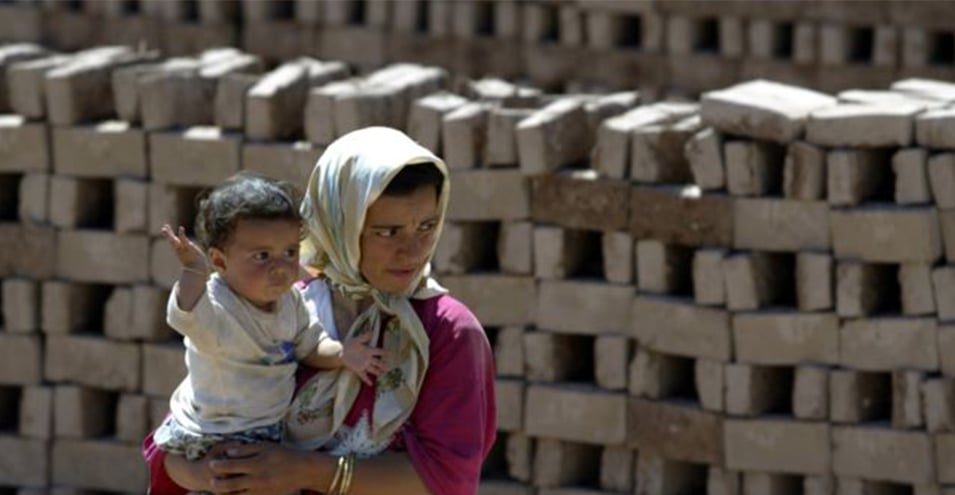
Financial poverty in most areas of Kohgiluyeh and Boyer-Ahmad provinces, especially in rural areas, is actually considered the most important factor in students dropping out of school due to the extreme deprivation of families. In addition to destroying the inherent talents of such students, it also causes damage to educational resources and facilities over the past years.
Only up to fifth grade.
Samira, a dropout girl from Lirab village, Dishmok district, said: "In our village, if we are very lucky and our parents allow us, we can only study up to the fifth grade, and after that, it is no longer possible."
He said: "Rural fathers are unable to cover all expenses due to lack of suitable jobs and insufficient income, and just enough to sleep at night with a full stomach is enough for us."
Referring to her great interest in continuing her education, this rural girl said: "I was very interested in studying since the first grade, and until the end of the fourth grade, I was always the first student in my class, but due to financial problems, I was no longer able to continue my education."
He said: "In our village, we can only study up to the fifth grade, and to continue our education we have to go to Dishmok, but due to the distance and lack of facilities, it is not possible for us to continue our education."
The lack of necessary educational per capita and very few facilities in the villages of Kohgiluyeh and Boyer-Ahmad provinces has caused many students to drop out of school in the villages and has increased cultural poverty in the villages.
The social harms in the villages of Kohgiluyeh and Boyer-Ahmad are mostly due to parents' inattention to their children's continued education and lack of awareness of the importance of education and its valuable role in life, and the increasing growth of social problems is due to this inattention of villagers to their children's continued education.
The Director General of Education of Kohgiluyeh and Boyer Ahmad stated: The total number of students in the province in the first secondary school level in the academic year 1400-1401 was more than 36,000, and the average number of students dropping out of school in the province is 237, of which 49 percent are girls and 51 percent are boys.
Hadi Zarepour added: The total number of students in the province in the second secondary school level in the academic year 1401-1400 was more than 26,000, and the average number of students dropping out of school in the province is 96, of which 55 percent are girls and 45 percent are boys.
Referring to the dropout rate of students in the province compared to the national average, he stated: The dropout rate for junior high school students is 3.66 times the national average and for senior high school students is 1.56 times the national average.
Referring to the important reasons for high school students dropping out of school at the provincial level, Zarepour stated: "Given that some students in deprived and remote areas do not fully benefit from education due to lack of facilities and modern educational equipment, and other reasons, it can be said that the coronavirus and its spread have had negative effects on their education. Of course, in addition to the coronavirus, other factors, including social, family, and individual factors, have also had an impact on students dropping out of school."
Source: HRANA