Four Months Without Charges for Saeed Hasani; Continued Pressure on Baha’is and Other Religious Minorities in Iran
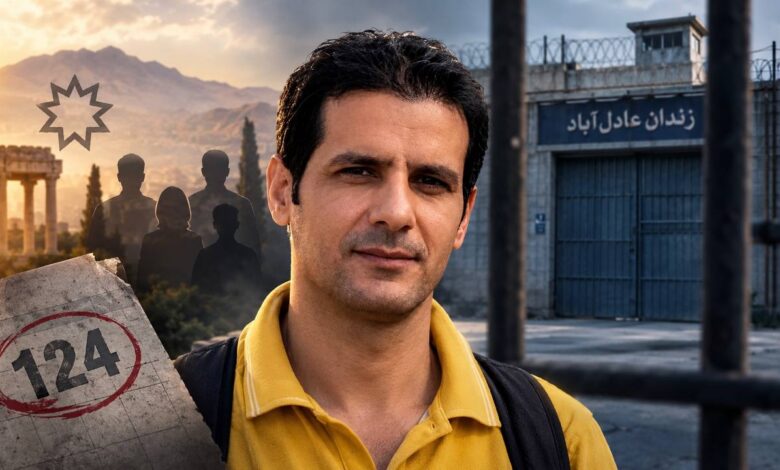
Saeed Hasani, a 37-year-old Baha’i citizen residing in Shiraz, remains detained in Adel Abad Prison for 124 days without any judicial determination of his status. The continuation of his detention, alongside reports of security measures taken against Baha’is and Christians, once again highlights the issue of discrimination and suppression of religious minorities in Iran.
According to human rights organizations, Saeed Hasani has been held in Adel Abad Prison in Shiraz since his arrest on June 23, 2026 (the 2nd of Tir 1405 on the Iranian calendar). According to Hengaw, despite repeated attempts by his family to inquire about the status of his case and his health, judicial and security authorities have refused to provide clear answers.
Hasani was arrested at his workplace by agents of the IRGC Intelligence Organization without the presentation of a court order. The officers subsequently transferred him to his home, and during a house search, confiscated electronic and digital devices belonging to him and his family members. He was then transferred to Adel Abad Prison.
The situation of this Baha’i citizen had previously raised concerns. Iran Wire reported in separate articles about his poor physical condition and his transfer to solitary confinement. These reports were published based on information from informed sources; however, the responsible authorities have so far failed to provide clear explanation regarding his possible charges and the proceedings of his case.
The current detention is not Hasani’s first legal encounter. He was also arrested in June 2016 for his belief in the Baha’i faith and was released on bail after several months; according to Hengaw’s report, that case resulted in an acquittal. However, he is now detained again and remains deprived of a clear determination of his judicial status.
Saeed Hasani’s case cannot be examined separately from the broader situation of freedom of religion and conscience in Iran. Over the past decades, Baha’is have faced ongoing deprivations and pressures, including arrests, educational and employment restrictions, and confiscation of property. Christians, particularly those who have converted from Islam to Christianity or participate in independent church activities, have also faced arrests, trials, and security-related charges. Reports from international human rights and religious freedom organizations have documented the continuation of these restrictions against both communities.
Under such circumstances, keeping a citizen undetermined for more than four months without transparent notification of charges and legal proceedings raises serious questions about respect for freedom, fair trial rights, and freedom of religion and conscience. No one should be subjected to security measures or deprived of legal rights due to their religious beliefs.
As of the publication of this report, no clear information has been released regarding Saeed Hasani’s possible charges, the timeline for his case proceedings, or the judicial authorities’ decision on his temporary release. The continuation of this situation increases concerns about his health and legal rights.