Araghchi: “The Country’s Situation is Truly War-like”; Pakistan’s Mediation Ended Without Results
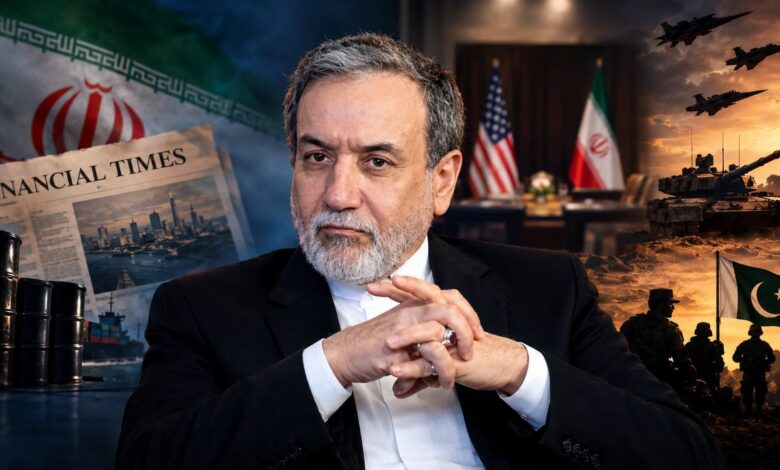
Abbas Araghchi, Foreign Minister of the Islamic Republic of Iran, stated that Iran faces military threats and extensive sanctions simultaneously and remains distant from peace. Meanwhile, his article in the Financial Times speaks of Tehran’s readiness for diplomacy and defense, but the visit of Pakistan’s Army Commander to Tehran concluded without a formal agreement, and prospects for resuming Iran-U.S. negotiations remain unclear.
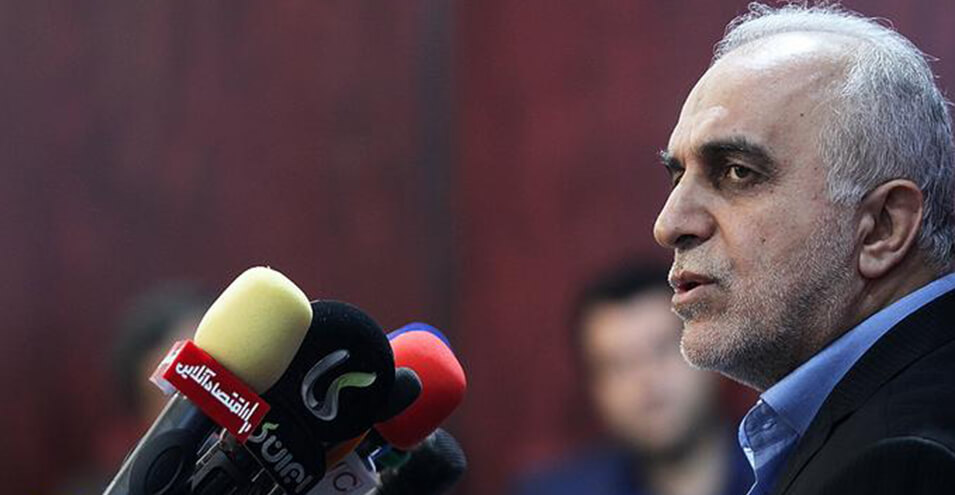
Abbas Araghchi on Wednesday, October 21 (October 29 in the Persian calendar), at Iran’s National Export Day ceremony, which was also attended by Iranian President Masoud Pezeshkian, described the country’s situation as “truly war-like.” According to statements published in Iranian media, he said Iran faces both military threats and extensive economic sanctions, adding: “Currently, the reality is that the country’s situation is truly war-like and the war is still ongoing.”
These remarks were made as diplomatic efforts continue to contain tensions and prevent a new round of conflict between Iran and the United States.
Araghchi, in an article published on Wednesday in the British newspaper Financial Times, outlined Tehran’s position regarding the continuation of the conflict and the possibility of achieving a diplomatic solution. He wrote: “Iran is firmly seeking a peaceful and dignified solution to this conflict, but at the same time is fully prepared to defend itself.”
Iran’s Foreign Minister claimed in this article that the White House has shown no willingness to reach an understanding, and therefore, progress in negotiations is difficult to expect. This position shows that Tehran, on the one hand, emphasizes readiness for dialogue, and on the other hand, ties any progress to a change in Washington’s approach and responsiveness to Iran’s demands.
Reuters news agency also reported on Wednesday that Iran has announced that no negotiations to end the conflict with the United States will take place until its demands are met.
In the latest attempt to bring the two sides back to the path of dialogue, General Asim Munir, Commander of Pakistan’s Army, traveled to Tehran on Tuesday and met with senior officials of the Islamic Republic, including Masoud Pezeshkian, Mohammad Baqer Qalibaf, and Abbas Araghchi. This visit took place one day after talks between Sergey Lavrov, Russia’s Foreign Minister, with Iranian officials.
Pakistani newspaper Dawn reported that the purpose of Munir’s visit was to convey messages and explore the possibility of reusing Islamabad’s understanding as a basis for negotiations. However, the newspaper stated that after the meetings, “no significant progress or formal agreement was achieved.”
According to Dawn’s report, Iranian officials told the Pakistani side that Washington must take steps to rebuild trust. The newspaper also reported, citing an unnamed Iranian source: “Iran has nothing new to say to the Americans, and it is the United States that must return to Islamabad’s understanding.”
Dawn also reported that Qalibaf said the United States cannot regain Iran’s trust without meeting seven conditions raised by Tehran during New York meetings. These positions were attributed to Iranian officials by the Pakistani media and do not mean that the two sides have reached a new agreement.
Pakistan has recently played the role of principal mediator between Iran and the United States. Islamabad’s understanding, which was shaped through this country’s mediation, was supposed to provide a foundation for reducing tensions and moving toward a more sustainable agreement, but the implementation process has been halted by disagreements and renewed conflicts.
Al Jazeera network also described, in an analysis published on October 20, the visit of Pakistan’s Army Commander to Tehran as part of Islamabad’s effort to revive negotiations and prevent a new round of conflict. However, reports published after the meetings show that no agreement has been announced yet to break the deadlock.
While Iranian officials speak of readiness for diplomacy, they simultaneously emphasize their conditions for negotiations. On the other hand, disagreements over trust, sanctions, nuclear issues, and Strait of Hormuz security remain among the main obstacles to any possible agreement.
By the time of this report’s publication, no new formal agreement between Tehran and Washington has been announced. Statements by Iranian officials and reports from international media indicate that the diplomatic path remains open, but the gap between declarations of readiness for negotiations and reaching an agreement remains significant.