Faith Endures in the Heart of Tehran: The Feast of Thaddeus and Bartholomew in a 218-Year-Old Church
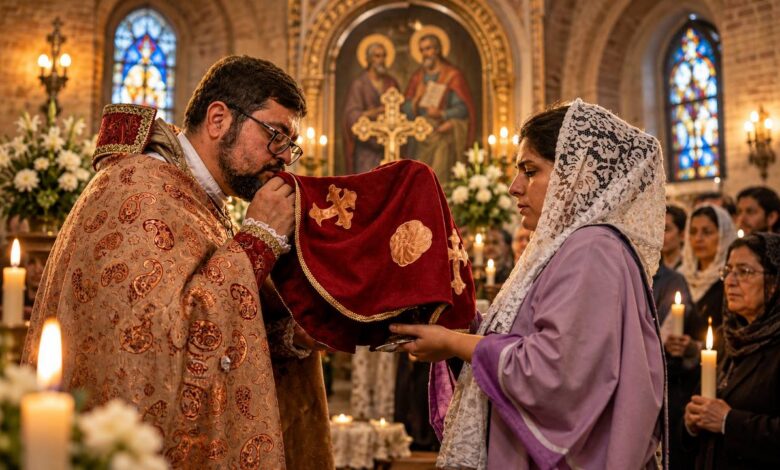
A ceremony commemorating the holy apostles Thaddeus and Bartholomew was held with the attendance of Christians at a historic church in the heart of Tehran’s bazaar—a building that has witnessed over two centuries of continuous religious, cultural, and social life of the Christian community in Iran’s capital since 1808. This ritual is more than a religious ceremony; it is a reminder of centuries of coexistence among followers of different faiths in Iran and a heritage whose preservation means safeguarding the country’s cultural and religious diversity.
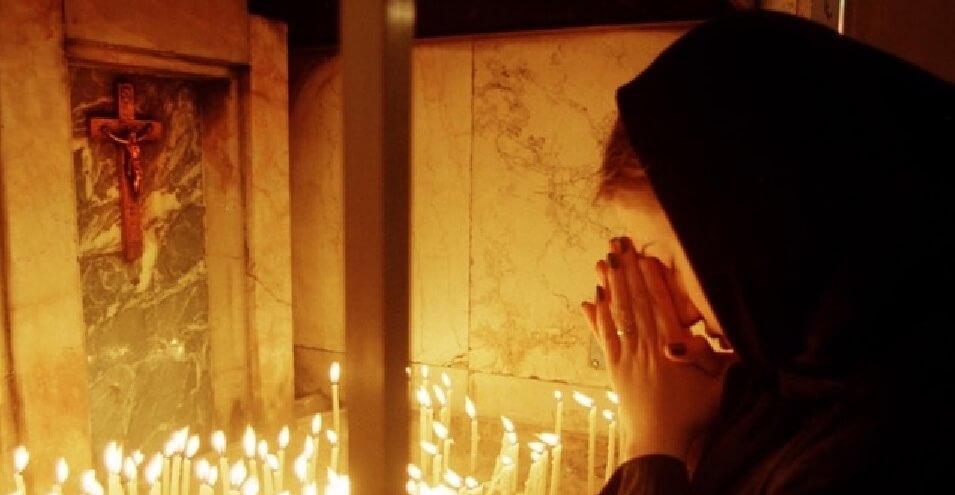
On Saturday, the 7th of Azar 1405 (November 28), the feast of the holy apostles Thaddeus and Bartholomew was observed at the church bearing their name, located within the historic Tehran bazaar district. The ceremony was attended by a gathering of Christians and Ara Shavardiyan, “representative of Armenian Christians of Tehran and northern Iran in the Islamic Consultative Assembly.”
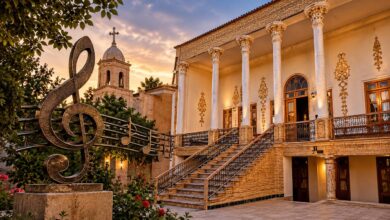
The Church of the Holy Apostles Thaddeus and Bartholomew is considered one of the oldest church buildings in the capital and the first church built for the Christian Armenian community in Tehran. This historic structure was built in 1808 by ten families who had migrated from the Armenian merchants’ quarter of Isfahan to Tehran.
These families came to Tehran during the reign of Fath-Ali Shah Qajar with the aim of engaging in glassmaking and contributing to the supply of glass for royal palaces. Their presence in the capital, in addition to their economic and professional role, led to the establishment of one of the most important centers of Christian religious life in Tehran.
Over more than two centuries, the Church of the Holy Apostles Thaddeus and Bartholomew has been far more than a place of worship. This structure is part of Tehran’s historical memory and testimony to the presence and participation of Christian citizens in shaping the social and cultural life of the capital.
The church’s location within the historic Tehran bazaar district further enhances its significance—an area that has historically been a place of passage, commerce, and life for various social and religious groups.
With its simple architecture and limited space, this church tells the story of a time when immigrant families gathered to build new lives in Tehran and, alongside their economic activities, preserved their religious and cultural traditions.
The annual observance of the feast of the holy apostles Thaddeus and Bartholomew keeps the bond between today’s generations and this historical past alive—a connection that continues through worship, gatherings, and the transmission of religious traditions to future generations.
Throughout history, Iran has been home to followers of various religions and beliefs. Churches, synagogues, fire temples, and other places of worship are not merely buildings for religious rituals, but living documents of the social history, architecture, and cultural diversity of this land.
Preserving such places requires respect for the right to freedom of religion and belief, and recognition of the equal status of citizens regardless of their religious convictions. Iran’s Christian heritage is part of this land’s history, and its preservation should not be limited to symbolic ceremonies or the registration of buildings, but should be accompanied by ensuring the security of Christian communities, freedom of worship, and the ability to freely transmit religious traditions.
The ceremony of the feast of the holy apostles Thaddeus and Bartholomew in historic Tehran reminds us of this reality: Iran’s history is not merely the narrative of one community or one belief, but has been shaped by the juxtaposition of diverse experiences, traditions, and cultures.
The continuation of this ritual after more than two centuries is a sign of the vitality of Christian heritage in Tehran—a heritage whose preservation is part of today’s Iranian society’s cultural and historical responsibility.