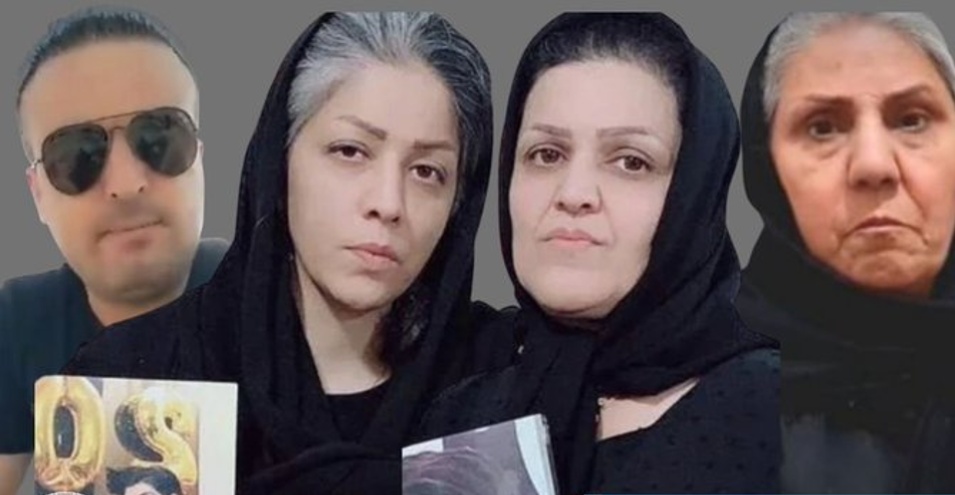
Abolfazl Chazani; The Judiciary's Haste in Executing the Death Sentence of a Child Criminal
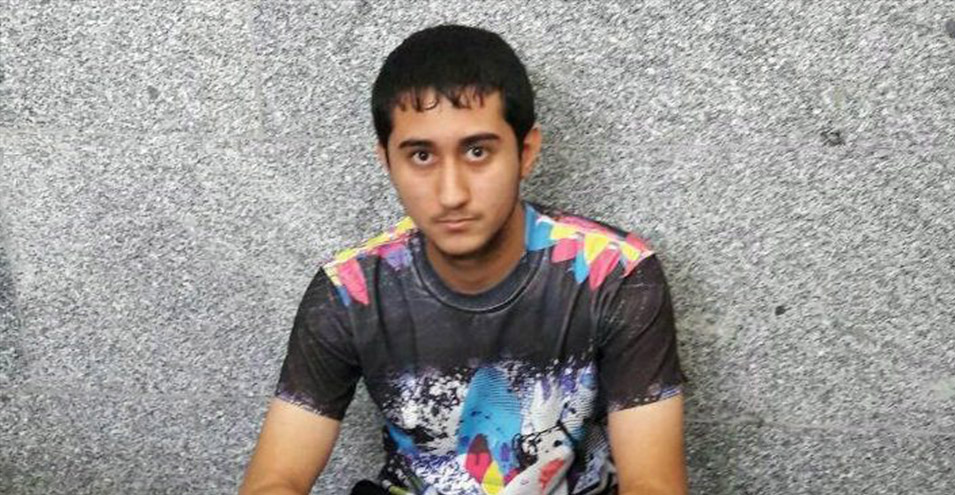
Calling the execution of the retribution sentence of Abolfazl Chezani Sherahi, a young man who was executed for murder at the age of 15, unfair, an informed source told the Campaign for Human Rights in Iran that in addition to the defendant being a child at the time of the crime, the case contained many ambiguities that, if the request for a retrial and retrial were accepted, would have resulted in the death sentence being overturned.
Abolfazl Chazani Sherahi, a resident of Qom, was hanged in Qom Central Prison on July 28, 2018, at the age of 20. In a childhood fight when he was less than 15 years old, Abolfazl stabbed one of his peers in January 2013, and the injured peer died in the hospital ten days later.
A source familiar with the case told the campaign that despite the death of the victim ten days after the fight and the attacker being a child, the Qom Criminal Court sentenced him to self-retribution (execution) in 2014 on charges of premeditated murder. The source was surprised by the issuance of the retribution sentence, telling the campaign: "Abolfazl was almost in his last days of 14 years old at the time of the fight and had not yet turned 15. During the fight, he stabbed one of his peers. The injured teenager was taken to the hospital and died in the hospital after about ten days. In addition to the issue of being a child, the death may have been due to lack of medical attention and the stabbings alone did not cause death, but the judge issued a retribution sentence."
The Court of Appeals confirmed the retribution verdict three months after the first-instance verdict, in December 2014, and the Supreme Court also rejected Abolfazl Chazani and his lawyer’s request for a retrial. An informed source told the Campaign that after the verdict was finalized, the court referred the case to a forensic physician to determine the defendant’s mental maturity at the time of the crime, but the Qom provincial forensic physician, by asking vague questions of an 18-year-old, determined that at the age of 15 he had the mental maturity of an adult.
This source told the campaign about how to determine mental maturity: "When Abolfazl was taken to the forensic medicine to determine his mental maturity, he was about 18 years old and three years had passed since the crime. The forensic medicine, after asking questions about murder, death, guilt, and the time of sexual maturity, ruled that he had reached mental maturity three years ago and was not considered a child, and therefore the execution is correct."
Determining the defendant's mental maturity at the time of committing the crime is one of the innovations of the authors of the new Islamic Penal Code and is the subject of Article 91 of this law. Based on this article, if adults under the age of eighteen do not understand the nature of the crime committed or its sanctity, or if there is doubt about their mental maturity, they are sentenced to lighter punishments. The note to this article states that the court can inquire into the opinion of a forensic physician or use any other method it deems appropriate to determine the mental maturity.
A source familiar with the case told the Campaign that the court found the defendant's mental development and maturity sufficient, even though he had no idea he was sentenced to death until two years after his arrest and believed his family's statements about his early release: "Abolfazl was even more naive than his age. He didn't know his sentence was death, and for two years he thought he was going to be released soon. In other words, he understood less than the average intelligence and development of 15-year-old children. I don't know how the forensic doctor confirmed his mental development and maturity."
According to this source, even if the verdict was accepted, there was still a possibility of compromise and gaining the consent of the victim's family, but the judiciary hastily closed all possible ways to save his life: "NGOs such as the Imam Ali Society had followed up on his work. They had made some progress both in hiring a lawyer and in getting the case underway, as well as in gaining the consent of the victim's family, but the judiciary's interest in executions, especially the execution of young people, took its toll."
Iran is one of the few countries that still insists on executing child criminals. According to anti-death penalty activists, since the beginning of this year, four people have been executed (Qisas) for murder committed while under the age of 18, and dozens more are on the waiting list.
Source: Iran Human Rights Campaign