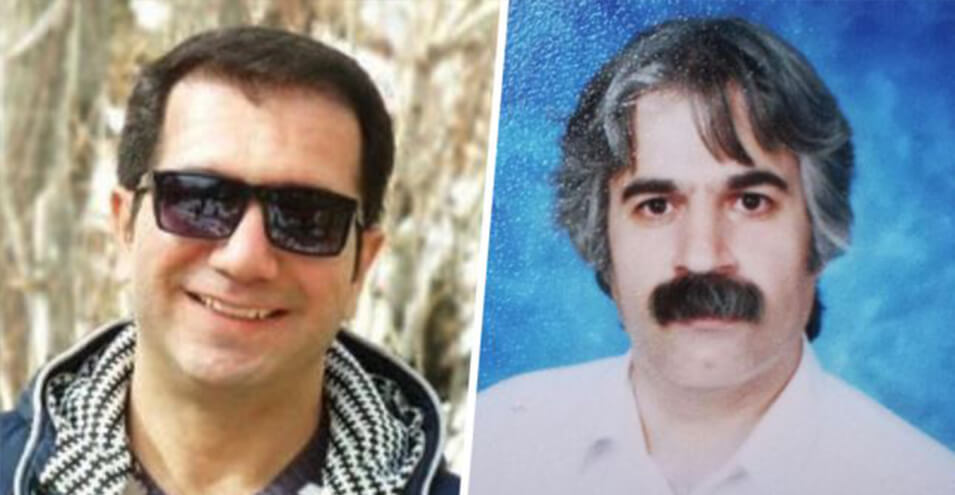
Ms. Sotoudeh has been on a hunger strike for several days to protest her arrest and the pressure on her family and relatives. She has also written a letter stating that she will refuse to appear and defend herself before the prosecutor's office and the department's investigators.
According to Reza Khandan, after Nasrin Sotoudeh refused to go to the prosecutor's office for questioning, on Saturday, the prosecutor, along with the assistant prosecutor supervising the prison and the head of the Evin Prison's sentence enforcement, visited the cell where Ms. Sotoudeh is being held to "complete the case."
According to the same report, the investigator in the case also mentioned three new charges against Ms. Sotoudeh in his remarks: "helping to establish a house church," "encouraging a referendum," and "attempting to hold a rally and sit-in."
Nasrin Sotoudeh's husband expressed surprise at the new accusations and said he did not know where the accusation of "helping to establish a house church" came from.
Also, according to Mr. Khandan, although the court had issued a ruling in 2016 for Nasrin Sotoudeh's membership in the campaign to abolish the death penalty step by step, known as "Legam," this accusation has been raised again in recent days.
Ms. Sotoudeh has cited security and judicial pressures against her family and those around her as the most important reason for her hunger strike in prison.
Last week, Nasrin Sotoudeh's husband reported that intelligence ministry agents raided his home and "searched the entire house to find badges opposing the compulsory hijab," and said that security agents had also gone to the homes of their relatives.
Nasrin Sotoudeh has also protested the arrest of Farhad Meysami, a 48-year-old civil activist and physician, calling it illegal.
Farhad Meysami was arrested on August 29, and according to his mother, the reason for his arrest was a number of badges that read, "I object to the compulsory hijab."