According to FCNN, there are 50,000 addicted students in Iran.
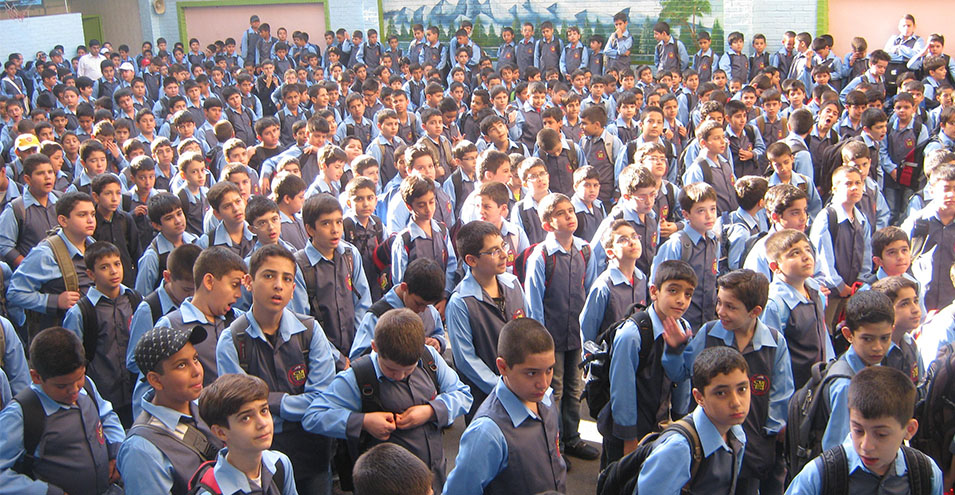
Sara.Kh.FCNN News Agency: Sometimes statistics reveal the truth, but sometimes they are presented to escape reality. On Thursday, November 13, the Director General of the Office for the Prevention of Social Harms of Education claimed that for the first time, there were 3,600 drug users among the country's students. Some domestic media outlets also headlined "Statistics on addicted students presented for the first time."
He is unaware that according to documented statistics, the number of addicted students in our country has reached more than 50,000. In addition, evidence and documents indicate that officials of the country's anti-narcotics headquarters have been warning about the prevalence of addiction and its unprecedented growth among students for more than 15 years and announcing statistics. These statistics are different from what the Director General of the Office for the Prevention of Social Harms of Education has put forward.
It was in 2008 that Mohammad Reza Jahani, the then deputy secretary general of the Anti-Narcotics Headquarters, announced that there were 30,000 addicted students in the country.
Now, seven years after that date, our country's education officials claim to be informing the public about the number of addicted students for the first time, with a figure that is one-tenth of what it was before.
To investigate this issue, we will look at statistics that have been announced by other country authorities for more than 15 years.
Statistics from the Anti-Narcotics Headquarters indicate that in 2018, 80.5 percent of students aged 15 to 18 had at least one experience of using drugs. In the following ten years, this figure increased by 100 percent and reached 1 percent.
Another survey in 2011 indicated that more than 13 percent of the country's addicts were of school age. Some of them were students and some had dropped out of school.
The drug use epidemiology project was also conducted in 2011 and confirmed these statistics.
Alireza Jezini, Deputy Secretary of the National Anti-Narcotics Headquarters, also warned in September 2014 that parents and education officials should be vigilant about the prevalence of psychotropic drug use among students.
He stated that according to an epidemiological study conducted in 2013, one percent of students use drugs, of which four-tenths of a percent are crystal meth users.
This official announced two years ago that more than 60 percent of addicted students had their first experience of drug use during their school years.
And 60 percent of students have been advised to use drugs by their friends and peers.
According to him, in 2014, the average age of starting drug use in the country was 20 years old.
According to the Iranian State Radio and Television Agency, Sardar Zahedian, head of the Anti-Narcotics Police, also announced in October this year that easy access to drugs is one of the factors behind the spread of addiction in the country. For example, in Tehran, people can obtain the drugs they want within five to 10 minutes.
According to the latest statistics, more than five million students are studying in the lower and upper secondary levels.
Considering the statistics of the Anti-Narcotics Headquarters, we must accept the bitter reality that the number of addicted students in the country has now reached more than 50,000.
The secrecy of officials leads to destruction.
Ebrahim Samani, a child and adolescent counselor, emphasized in an interview with FCNN that the growth of social harms in Iran depends on the participation and cooperation of institutions that have so far worked in parallel and have not achieved any results.
According to this fellow citizen, who is the father of two teenagers aged 11 and 15, the continued secrecy by the authorities will lead to the spread of harm and families becoming more distrustful of the government system.
Officials have not learned theology.
Ibrahim considers ignoring what is clearly visible in society to be an insult to the nation and the country, and continues: "Is knowing God anything other than raising our children as sacred trusts so that they can be good servants in society? Why, after decades, do education officials still think that reciting prayers, the Quran, and visiting Ashura alone will protect students from various harms?"
Criticizing the unilateral approach of education to control social harms, especially drug addiction, he emphasizes that solving this problem depends on the participation and cooperation of various institutions.
Ibrahim continues: "Of course, the government authorities' indifference to the fate of students is to such an extent that they do not even prioritize the employment of specialist counselors in public schools, saying they do not have the budget. Non-government schools have their place."
In the current situation, the country's officials must remember that the people are the best witnesses to the truth. Concerned and concerned families can judge their performance better than any official. In other words, the people will be the fairest judges of whether the number of child and adolescent drug addicts will decrease or increase, because they face this problem on a daily basis and will grab hold of any hanging hand to keep their loved ones safe.
But really, why should we hear such a false claim from our country's education authorities? Is someone or people trying to cover up shortcomings in this way? Or do they think that by hiding the truth they can restore health to society and protect the future generations of our country?
The devastating scourge of addiction, especially when it affects children and adolescents, is no joke, and ignoring it will lead to the destruction of successive generations in the shortest possible time.
Therefore, it is right that officials and those involved in matters, especially in the field of education, take action to prevent the further spread of this problem by being realistic and transparent in providing information to the public. There is no doubt that with this approach, the cooperation and coordination of the people and officials will yield the best feedback.