Iran's Judiciary Ignores Ahmad Reza Jalali's Need for Medical Care
The family of Ahmad Reza Jalali, a physician and university professor accused of espionage in Iran, criticized the indifference of judicial and prison officials to his need for medical care.
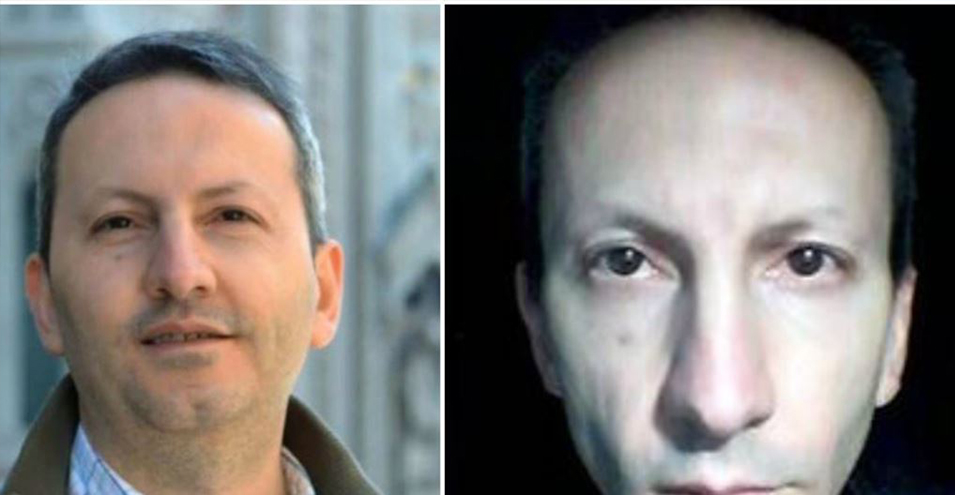
The Human Rights Campaign for Iran, publishing the last image that this security prisoner sent out, wrote in a report on Saturday, May 29, quoting Mr. Jalali's wife, that prison officials are refusing to transfer him to the hospital.
A photo released on Thursday of Ahmad Reza Jalali from inside Evin Prison shows that his weight has decreased significantly over the past two years.
Vida Mehrannia, Mr. Jalali's wife, told the Human Rights Campaign for Iran: "Ahmadreza's family, his lawyer, and himself have requested several times from inside the prison to be transferred to the hospital and tested. The Swedish government has requested Iran several times to provide treatment for Ahmadreza. His mother has repeatedly told the authorities that she will pay all the costs herself and just send him for treatment, but unfortunately, no attention has been paid."
Ms. Mehrannia continued: "Before Eid, two tests were performed on him by a forensic doctor, and the results of one of the tests were received a month later, on the 5th of Ardabihesht, which showed that his white blood cell count was below average, and this is very dangerous. Ahmad Reza must be hospitalized immediately. In addition, he also needs hernia surgery."
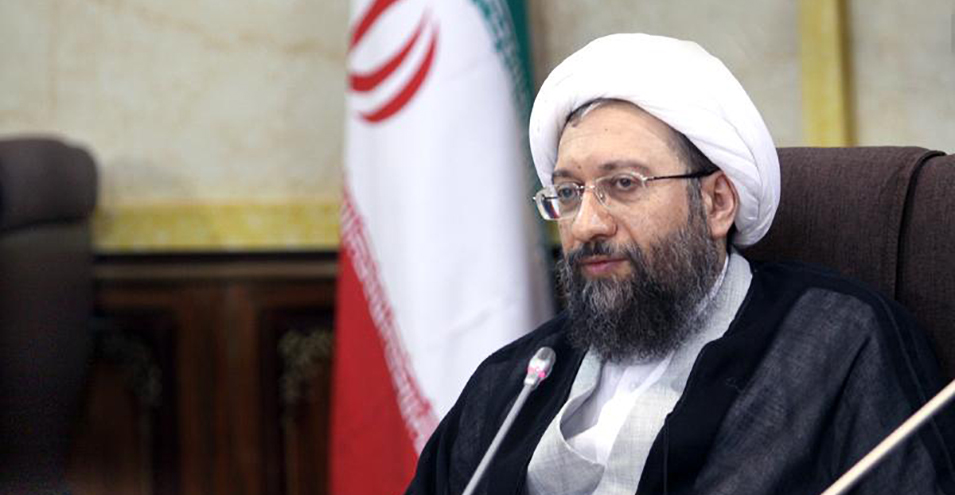
Zeinab Taheri, Mr. Jalali's lawyer, said on January 19 of last year that she had said that Judge Salavati would prevent him from leaving prison.
According to Ms. Taheri, Ahmad Reza Jalali "is getting thinner day by day, even though he is eating."
He added that Mr. Jalali, who is a doctor himself, had said that a tumor had probably formed in his digestive tract. After the examination, the prison doctor said that he should conduct tests outside the prison, but so far Judge Salavati has opposed his release from prison and treatment.
Mr. Jalali, who had temporary residency in Sweden and was collaborating with several European universities, was arrested and imprisoned about two years ago when he traveled to Iran at the invitation of the University of Tehran. In a video broadcast last February by the Islamic Republic of Iran Broadcasting, he confessed to providing information about two assassinated Iranian nuclear scientists to the Israeli spy agency. This is despite the fact that Iran had previously executed another person on charges of assassinating these scientists.
Iran's Revolutionary Court sentenced Mr. Jalali to death for passing classified information to Mossad at the height of Iran's nuclear program, and the Supreme Court rejected his appeal for a review of the verdict in less than an hour. His lawyer, however, has requested a retrial.
Mr. Jalali's death sentence and the release of his confessions drew criticism from human rights organizations and UN human rights experts.
Four UN human rights experts announced in a statement on December 10 that the investigation into Mr. Jalali's case witnessed numerous violations of his rights and that the defendant was also deprived of a fair trial.
The statement, citing arbitrary detention, torture, and the death sentence against Mr. Jalali, cited reports that the defendant had no access to a lawyer, was held in solitary confinement, and was forced to confess. The experts called for Mr. Jalali’s death sentence to be overturned.
Source: Voice of America