Tom Tugendhat: "Islamic Republic officials are in contact with foreign services"
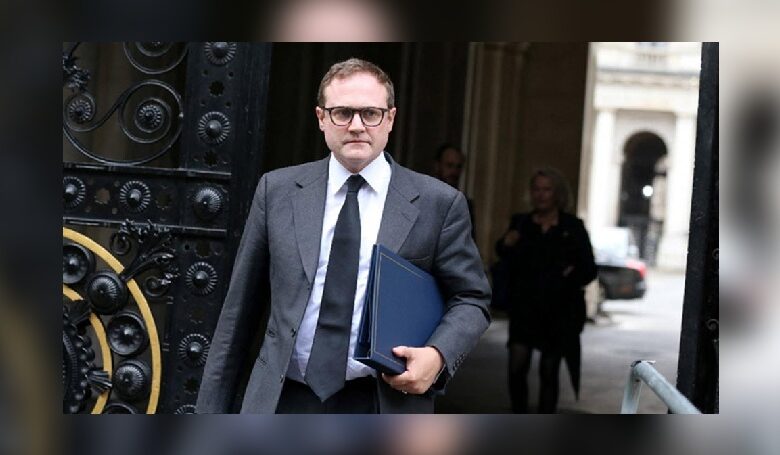
Former British Security Minister Tom Tugendhat announced that Islamic Republic officials have contacted foreign services to ensure their security.
Amid the spread of nationwide protests in Iran and unprecedented international reactions, Tom Tugendhat, former British security minister and current member of parliament, addressed the situation in Iran and made unprecedented claims by publishing a controversial message on the social network X.
Tugendhat wrote in the message in Persian: "Among the senior officials of the Islamic Republic, how many people are currently in contact with foreign intelligence services and exchanging confidential information to ensure their security after the fall?"
He continued his message by adding: "When they know that many close to the government are secretly preparing to flee, suspicion and distrust rise at the top of the system. But this suspicion will not save them, because many of these leaders are themselves secretly seeking the same escape route."
These statements were made on the eve of one of the most widespread waves of protests in Iran in recent years; protests that stem from a deep economic recession, the collapse of the national currency, and accumulated political and social dissatisfaction, and have been ongoing in large and small cities across the country for more than a week.
The protests in Iran, which began as economic and trade union demonstrations, quickly took on a political form and spread with anti-government slogans. People are chanting anti-government slogans in at least 100 cities, and there have been reports of violent clashes between security forces and the use of tear gas.
In foreign affairs, US President Donald Trump issued a message of support for the protesters, warning of the possibility of US intervention, saying: "If Iranian government forces attack peaceful protesters, the United States will step in to save them." This message was met with a strong reaction from Islamic Republic officials, and Ali Shamkhani, a member of the Expediency Discernment Council, wrote in response to his message: "Any interventionist hand that approaches Iran's security by making excuses will be cut off before it reaches them with a regrettable response."
Ali Larijani, Secretary of Iran's Supreme National Security Council, also emphasized in a tweet that US intervention could lead to regional instability and a danger to American forces.
In response to Trump's statements and Tugendhat's message, various figures have also taken positions:
- Leader of the Islamic Republic, Ali Khamenei, while rejecting foreign intervention, has once again emphasized independence and confronting "enemies."
- Prince Reza Pahlavi, an opponent of the Islamic Republic, positively evaluated Trump's message of support and expressed gratitude for it.
- A group of political activists opposed to the regime have also published similar messages in support of the protests.
Tugendhat's message and the strong domestic and foreign reactions show that the political and security situation in Iran is at a critical point. The allegations of contacts between senior officials and foreign services, although not independently verifiable, reflect a deep distrust and crisis of legitimacy within the institutions of power. At the same time, international pressure and warnings about the crackdown on protesters have increased tensions in the region and made the prospect of a crisis more complicated.