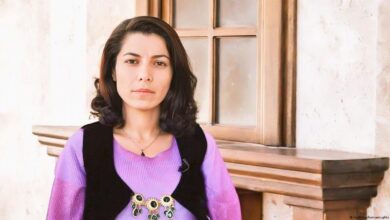
Extension of the mandate of the Fact-Finding Committee and the Special Rapporteur on Human Rights for Iran
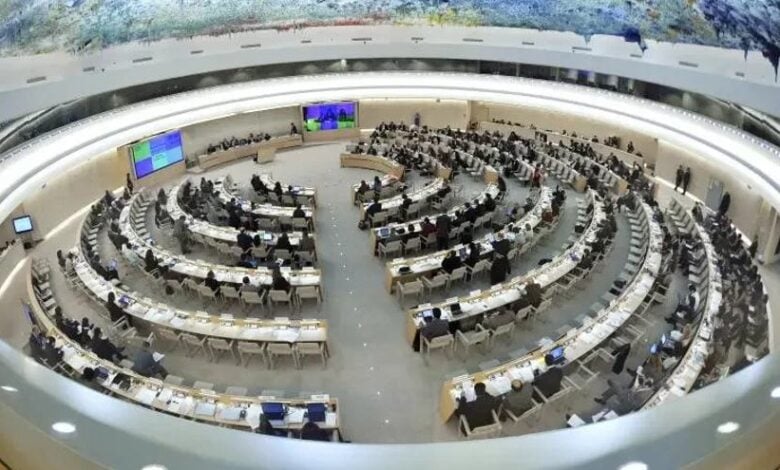
The UN Human Rights Council extended the mandate of the Fact-Finding Committee and the Special Rapporteur on Human Rights in Iran for one year.
The fact-finding committee and the Special Rapporteur on human rights, who were tasked with investigating the deadly crackdown on nationwide protests in Iran, had their mandate extended for another year by the UN Human Rights Council, and the Human Rights Council issued a statement in this regard.
In a statement released by the UN Human Rights Council, the body decided to extend the mandate of the Fact-Finding Commission to ensure that evidence of human rights violations related to the protests that began on September 16, 2022, is fully documented, verified, and preserved. The UN Human Rights Council, out of the 47 members present at the meeting, extended the two aforementioned mandates on Thursday, April 4, by 24 votes in favor, 8 against, and 15 abstentions.
Article 18 and more than 40 international and Iranian human rights organizations, including Amnesty International and Human Rights Watch, issued a statement on March 18, 1402, calling on member states of the UN Human Rights Council to extend the mandate of the UN Special Rapporteur and the UN Fact-Finding Committee.
Human rights organizations, while emphasizing the continued violations and severe repression of millions of citizens, including ethno-religious minorities, women, girls, Baloch, Christians, Baha'is, Gonabadi Dervishes, and Sunni Muslims, wrote: "The revival of the Special Rapporteur's mission is essential, as the human rights crisis in Iran is severe and includes ongoing crimes against international law and serious human rights violations that affect millions of people in Iran and restrict a wide range of rights."
Sara Hossein, head of the Truth-Finding Committee on Human Rights Violations During the 1401 Protests in Iran, also attended the meeting and, while referring to the widespread and systematic attacks on women and girls, human rights defenders, torture, extrajudicial executions, sexual violence, and rape, said: "These acts, in some of these cases, constitute serious human rights violations, reaching the level of crimes against humanity."
On March 18, 2020, the UN Special Rapporteur, Javed Rahman, presented his sixth report on human rights violations in Iran at the Human Rights Council meeting in Geneva, expressing deep concern over the continued harassment and arbitrary arrests of individuals belonging to unrecognized religious minorities in Iran, including Baha'is, Christians, and members of the Gonabadi Dervishes.