Unofficial martial law in Iran on the 40th of November
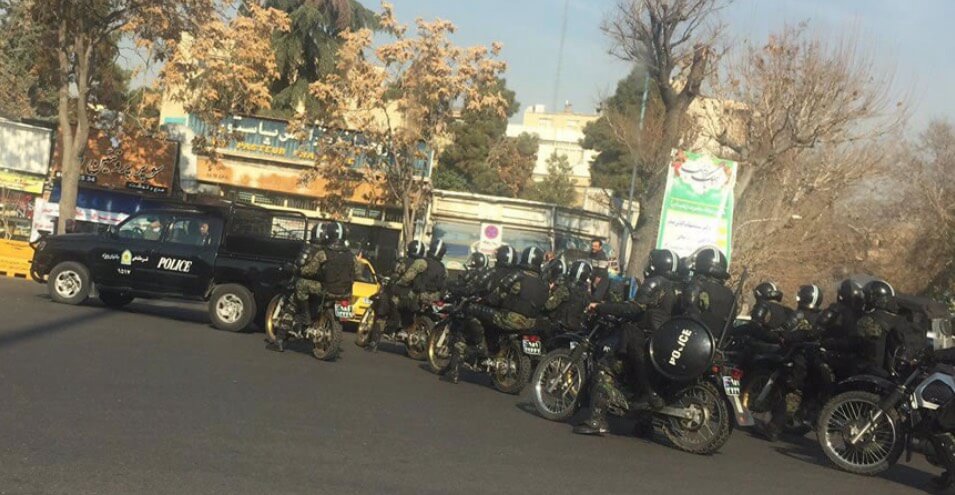
The ceremony marking the 40th anniversary of the deaths of a number of those killed in the November protests in Iran was held in various cities of the country on Saturday, despite the nationwide internet being disrupted for two days prior and the streets of various cities taking on a security appearance with the presence of special guard forces.
Netblocks, an internet watchdog, reported on Thursday that 95 percent of Rightel mobile internet in Iran has been cut off, with the network's internet availability down to five percent after four outages. The disruption in mobile internet in parts of Iran began on Wednesday, January 2, according to the organization.
ILNA news agency, citing "an informed source" in Iran's Ministry of Communications and Information Technology, announced on Wednesday that "by order of security authorities," international traffic on mobile phone lines in the provinces of Alborz, Kurdistan, Zanjan, and Fars had been cut off on this day.
Although this report was denied by Jamal Hadian, the head of public relations at the Ministry of Communications, the ILNA news agency reported the possibility of an increase in the number of provinces that “will be involved in cutting off international traffic on mobile telecommunications lines.”
Previously, the unprecedented nationwide internet shutdown in Iran during the November protests was accompanied by severe censorship of news about the protests and their victims.
The Islamic Republic's judicial and security authorities refuse to provide official statistics on those killed and arrested in November, but on Thursday, various cities such as Behbahan, Rasht, Karaj, Isfahan, Langrud, and Mallard witnessed ceremonies to commemorate the 40th anniversary of the deaths of the first day of November protests.
At the same time, some mobile phone users have received this message: “Dear compatriot, according to Article 512 of the Islamic Penal Code, anyone who seduces or incites people to fight and kill each other with the intention of disrupting the security of the country, regardless of whether it results in murder or looting, will be sentenced to one to five years in prison. Let us be careful not to become an enemy agent.”
Despite the disruption in the internet network, videos published from Tehran, Tabriz, Rasht, Isfahan, Behbahan, Shiraz, Arak, Qazvin, Andimeshk, Zahedan, Mahshahr, Abadan, Marivan, Kermanshah and other cities report a kind of unofficial martial law, accompanied by a heavy presence of special guard forces, security forces, special motorcycle units, armored vehicles and water cannons, and masked people on the streets, and helicopters in some areas. At the same time, family members of some of the detainees have been summoned and interrogated.
An informed source told the Campaign that Mohammad Shahbazi, the brother of Ameneh Shahbazi, who died from a gunshot wound to the neck on Sunday, November 17, has been summoned to Karaj Security Police and interrogated. According to the source, Ameneh Shahbazi’s family, under security pressure, has been forced to hold the ceremony marking the 40th anniversary of her death on Friday instead of Thursday, the next day.
In the village of Gorab Zarmikh in Rasht, the father of Navid Behboudi, a 23-year-old man who was shot in the back in Quds city, was summoned by security forces during a ceremony marking the 40th anniversary of his son's death. Reports indicate that a number of those present at the ceremony were arrested and transferred to Rasht's intelligence detention center. Jelveh Javaheri, Forough Sami-nia, Kaveh Mozaffari, Ahmad Zahedi, Hooman Tahriri, Faraz Roshan, Fahimeh Kameli, Amir Eslami, Sara Zahirkardar, Azar Jafari, and Mahrokh Roustaei are among those arrested at the ceremony marking the 40th anniversary of Navid Behboudi's death, according to a report by the Bidarzani website.
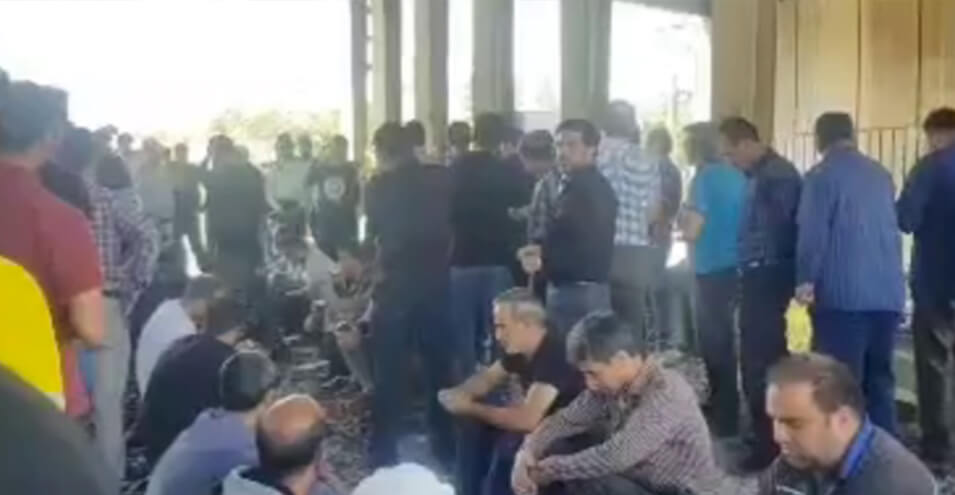
Dozens of people have been arrested in Behesht Sakineh, Karaj, and security forces have been beating people with batons. Civil activist Kambiz Norouzzadeh and Huriyeh Farajzadeh Tarani Tarani, sister of Shahram Farajzadeh Tarani, who was killed on Ashura in 2009, are among those arrested in Behesht Sakineh on Thursday. Raheleh Farajzadeh Tarani wrote on her personal Twitter: “My sister Huriyeh Farajzadeh Tarani was arrested in August this year for the “crime” of signing a letter in Mashhad, she was released and sent to the hospital, and then she was constantly threatened with the “crime” of visiting the families of the victims, and today she was arrested again for the “crime” of trying to celebrate the anniversary of our martyred brother Shahram. Pay attention to her “crimes.”
Ms. Farajzadeh Tarani wrote in another tweet: “My sister was arrested at the entrance to Sakineh Paradise. She was going there to commemorate the memory of her beloved Shahram and Pouya. Seeking justice is not a crime, it is a duty, and we will not stop seeking justice and freedom for our living brother Shahram and other martyrs.”
In the videos released from Behesht Sakineh Karaj, slogans are chanted, “Death to the dictator, all these years of crimes, death to this province, our pain is in you, people, join us, long live Iran, and we did not allow the dead to compromise, we praised the murderous leader.” There is no information on the number of detainees or where they are being held.
Dariush Mehrjui, Rakhshan Bani Etemad, Jafar Panahi, Mohsen Amir Yousefi, and Reza Darmishian are artists who attended Behesht Sakineh in Karaj despite the tight security environment.
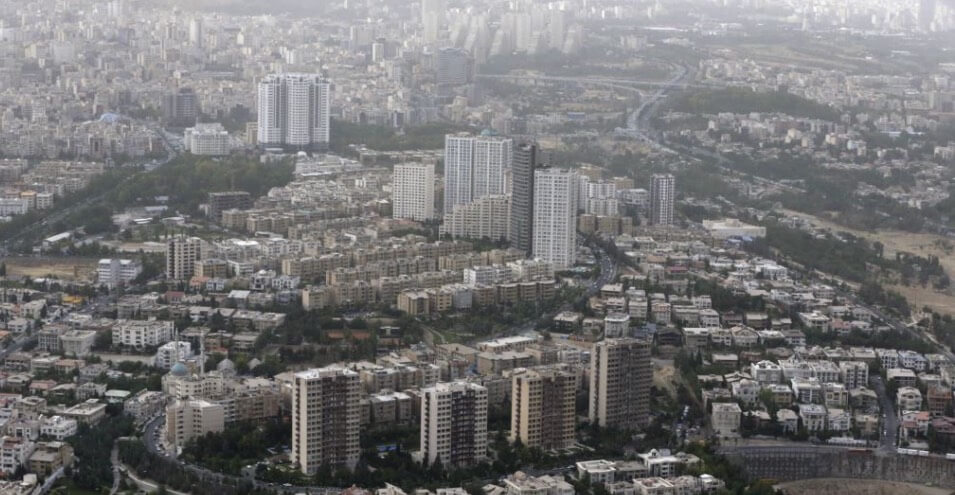
In Tehran and in areas such as Sattarkhan, Sadeghieh, and Tehran Pars, which witnessed the November protests, a heavy security atmosphere had prevailed since Wednesday, January 24.
Coinciding with the 40th anniversary of the deaths of the victims of the November 2019 protests, a number of children of victims of the violence of the Islamic Republic of Iran issued a statement in support of the mothers and fathers of the victims, stating: “Dear mothers and fathers, in the last 40 years, there has not been a day in the history of the suffering people of Iran when a man, woman, girl or boy has not been killed in a brutal and inhuman manner. Alas, in November of this year, the monster of repression claimed the lives of your loved ones. We have also experienced what you are experiencing today in the past, and we know that the only way to escape from the disaster that has gripped our beloved homeland and is suppressing and murdering its children in droves is through the solidarity of the people and the pursuit of the struggle for the human rights of all Iranians.”
The statement, signed by Parastu Forouhar, Nazanin Poyandeh, Sohrab Mokhtari, Laleh and Ladan Boroumand, France Bakhtiar, Shahin Sadeqzadeh Milani, Azadeh Pourzand, and Enam Dehvari, stated that “on the 5th of January, wherever we are, beyond the time and place that separates us from you, we will stand by you to demand justice. In silence, we will honor the memory of your children by lighting a candle.”
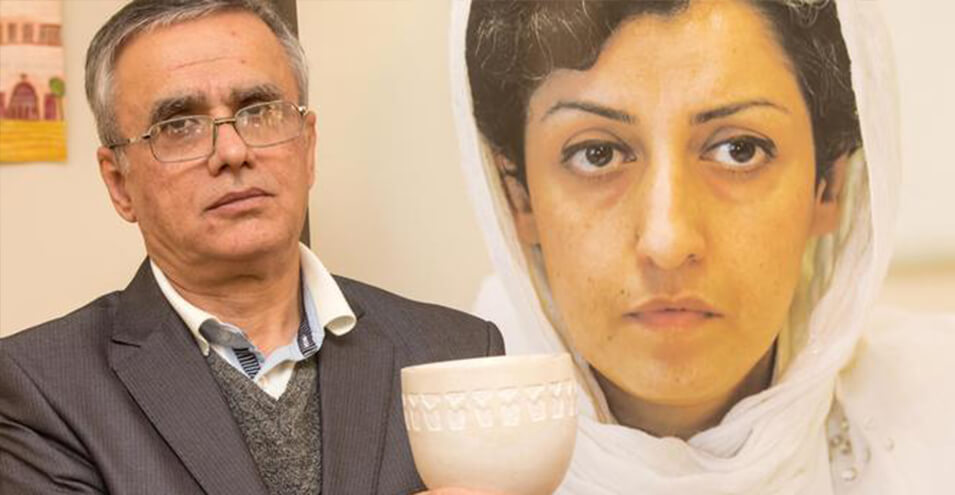
Previously, a number of mothers and family members of political and civil victims in the past 40 years had issued a call to declare January 26 as a day to pay tribute to those killed in November 2019 and called the suppression of recent protests a “crime against humanity.” Manouchehr Bakhtiari, the father of 27-year-old Pouya Bakhtiari, who died from a direct gunshot wound on Saturday, November 15, in Mehrshahr, Karaj, had published a photo of himself and his son on his personal Instagram, inviting the people, the Bakhtiari tribe, and all domestic and foreign journalists, Radio and Television of Iran, and Jam Jam networks to attend the ceremony marking the 40th anniversary of his son’s death on Thursday, January 26, in Behesht Sakineh, Karaj.
Manouchehr Bakhtiari, however, was arrested three days before the ceremony, along with Nahid Shirpisheh, Pouya Bakhtiari's mother, and several other family members. On Thursday, while Pouya Bakhtiari's family members were in detention, special unit officers stationed in Behesht Sakineh did not allow other family members and relatives to attend her grave in Behesht Sakineh.
Source: Human Rights Campaign