Dozens of political activists from 50 Iranian cities called for a boycott of the elections; Kourosh Zaeem: There is no benefit for the people in voting

231 political and civil activists, lawyers, artists, and families of victims who lost their lives in prison or during nationwide protests in 50 cities and 25 provinces of Iran issued a statement, calling for a boycott of the 2021 presidential election, citing it as a "show".
The statement, a copy of which was sent to Voice of America on Monday, June 17, states that "the boycott of the elections by the majority of the Iranian people expresses our will and vote in solidarity with the National Solidarity Movement." The signatories of the statement called their boycott of the elections a new movement that is a way to replace the "religious apartheid constitution of the Islamic Republic" with a democratic constitution that guarantees the "unconditional implementation of human rights" for Iranian citizens.
The signatories of this statement listed "the removal of Ayatollah Ali Khamenei," "holding a referendum to dissolve the Constitution of the Islamic Republic," "creating the necessary and sufficient conditions for holding free and fair elections in the transitional period under the supervision of neutral organizations such as the United Nations to form a Constituent Assembly," and "drafting the country's new constitution by the Constituent Assembly" as conditions for achieving a new democratic constitution.
These civil and political activists, who say that Iran, after the Islamic Republic, will be governed within the framework of the rule of law based on human rights, have stated their goal in boycotting the presidential elections of the Islamic Republic as a "non-violent and peaceful transition from the dysfunctional system of Velayat-e-Faqih and the constitution" in order to achieve a "democratic and secular constitution based on the Universal Declaration of Human Rights."
- Kourosh Zaeem: There is no benefit for the people in participating in the elections
Kourosh Zaeem, a political activist and one of the signatories of the statement, pointed out that the Iranian people have been "trapped in rigged elections for 40 years," and told VOA: "A nation that does not have the right to protest against oppression and corruption, embezzlement, structural violence, and even the right to choose its clothing cannot vote for those who have created these restrictions for them."
He believes that Iran has become one of the "most backward countries in Asia" economically and industrially over the past 40 years. He added: "If another election cycle goes ahead under the same conditions, our country will not only collapse, but from an economic and popular perspective, it may even collapse to the point of collapse." Mr. Zaeem says, "We are at a stage in the life of this country where if we do not save it from the mafia of corruption and violence that brought our country to this day, there may no longer be a country called Iran."
Finally, referring to the possibility of widespread fraud in the elections, Korosh Zaim told VOA: "We warn the people whether you vote or not, it will have no effect on the government's legitimacy; but if you don't vote, at least we can restore your rights to yourself through international organizations and according to their laws."
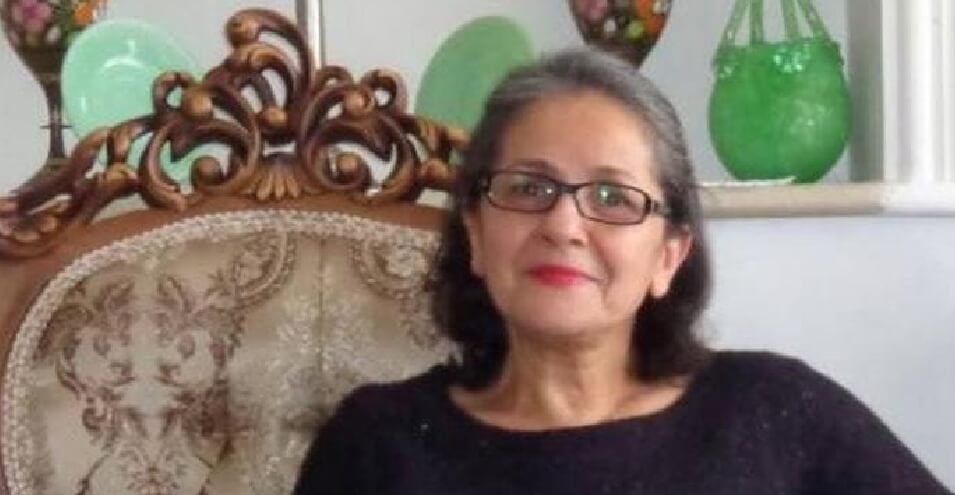
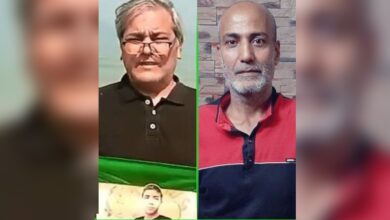
Mohammad Nourizad, a political prisoner, Akram Niqabi, the mother of Saeed Zeinali and one of the mothers of Laleh Park, Mohammad Najafi, a lawyer imprisoned in Iran, Hashem Zeinali, the father of Saeed Zeinali, a student who was arrested during the 1999 student protests and later declared missing, Farangis Mazloum, the mother of Soheil Arabi, a political prisoner in Iran, Heshmatollah Tabarzadi, the Secretary General of the Democratic Front of Iran, Mahnaz Sarabi Kadkhodaei, the mother of Alireza Shirmohammad Ali, a political prisoner who died in prison in 2019, and Hashem Khastar, one of the signatories of the statement. The other 14 signatories of this statement are those who called for a boycott of the elections.
Iran's presidential elections are scheduled to be held on June 18 to determine the successor to Hassan Rouhani, who was president for eight years.
However, the 13th presidential election of the Islamic Republic of Iran is coming at a time when it is said that the number of Iranian citizens who are unwilling to participate in the elections has increased compared to the past, and even some religious minority rights activists and political activists are speaking more openly than before about boycotting the elections.
Source: Voice of America