The Growth of Christianity in the Shadow of Pressure: Reza Pahlavi's Narration of the Enduring Faith of Iranian Christians
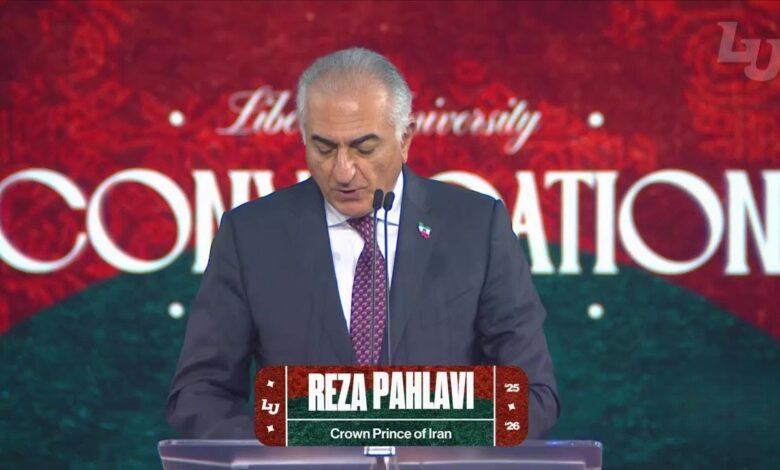
Prince Reza Pahlavi, while noting the growth of Christianity in Iran despite government pressure, emphasized the enduring faith and the expansion of house churches.
As the Christian Holy Week and the Jewish Passover approached, Reza Pahlavi, in his speech at Liberty University, drew attention to the situation of Christians in Iran and spoke of the remarkable expansion of the Christian faith in difficult circumstances.
Referring to religious developments in Iranian society, he stated to the students of this university: "In today's Iran, Christianity is not fading, it is increasing; it is becoming stronger." These words were made while various international reports also indicate an increase in the tendency towards Christianity in recent years, especially in the form of house churches.
Pahlavi went on to point out the informal and clandestine activities of Christians, explaining that many believers meet in private homes and in secret. He emphasized that these individuals have remained committed to their faith despite heavy costs, including security and social pressures.
Criticizing the Iranian government's treatment of Christians, he said: "They imprison priests, confiscate Bibles, arrest Christian believers, threaten Christian converts with execution, and tear their families apart." He also added that these pressures have not only not stopped the growth of Christianity, but have actually strengthened it.
In another part of his speech, Pahlavi emphasized the steadfastness of Christian faith, adding: "A belief that survives oppression is unbreakable; for light shines brightest in the darkest places." This statement reflects a view that is also seen in many religious analyses; that pressure and restriction can lead to the deepening of religious beliefs.
He also referred to Iran's historical background, calling the current situation in conflict with the country's cultural and religious heritage. Pahlavi mentioned Cyrus the Great, who freed the Jews from captivity more than 2,500 years ago and respected religious freedom; a figure who is also praised in the Bible as a liberator. According to him, this history shows Iran's true heritage as a nation of tolerance, tolerance and dignity.
In the end, he accused the current Iranian government of distancing itself from these values and stated that this political structure is not truly representative of the people and is against their will.
These remarks were a continuation of his previous positions. Last week, during his speech at CPAC, Pahlavi also mentioned the growth of Christianity in Iran and strongly criticized the treatment of security agencies, especially house churches and converts from Islam.
Overall, what emerges from these statements, as well as independent reports, reflects a complex reality in Iran today: on the one hand, severe pressures and restrictions on Christian activities, and on the other, an increasing tendency towards the Christian faith, which is spreading especially among the younger generation and in the form of small, informal communities.