Tamim Barghouti's account of political imprisonment
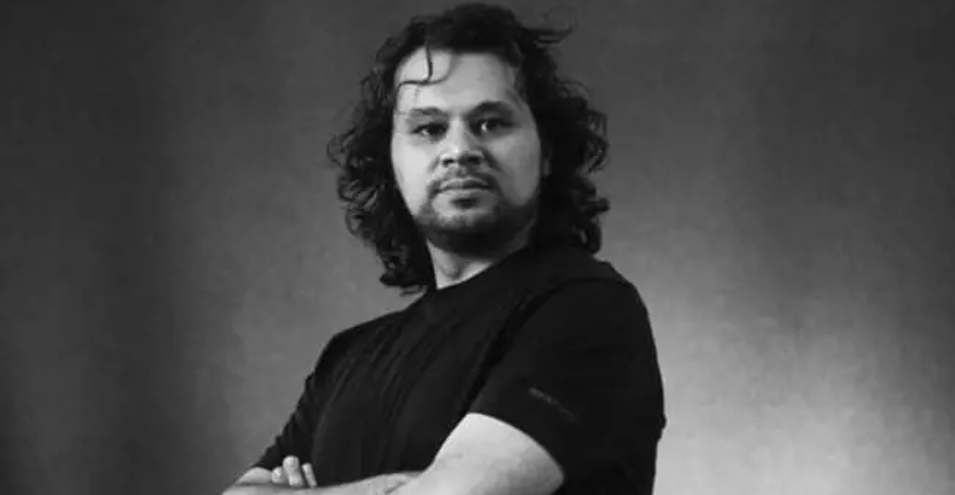
Egyptian poet and researcher Tamim Barghouti offers an interesting account of prison.
A video of him has been published on social media, which he made himself in response to the events in Iran.
Tamim Barghouti says in this video: "Even children know that the purpose of political prisons is not to imprison the prisoners inside, but to imprison people outside. They imprison someone who is not afraid so that those outside the prison will be afraid. The real walls of the prison are the walls that you see from outside the prison. The walls outside the prison are the effective part that has a political function, and the inner walls of the prison are meaningless to someone who is not afraid. For this reason, if a prisoner does something to eliminate fear among the people by rebelling and defiance or striking, the prison is no longer effective and the prison is no longer a prison, but becomes a place to organize fighters or demonstrations for people to take to the streets. The prison becomes a place and source of courage, not a place of fear, a place of invitation to rebellion and rebellion, not an invitation to surrender. When a prisoner rebels, he destroys the prison on the dictator's head."
The remarkable thing is that if people outside prison can realize the importance of this point, then they can make the function of political prison meaningless and the person inside prison can continue his political work.
If people outside the prison do not cooperate with the prison guards, the prison will no longer be a prison, and a prisoner revolt will lead to the suppression of the dictatorial regime.