MPs' plan to introduce gasoline coupons
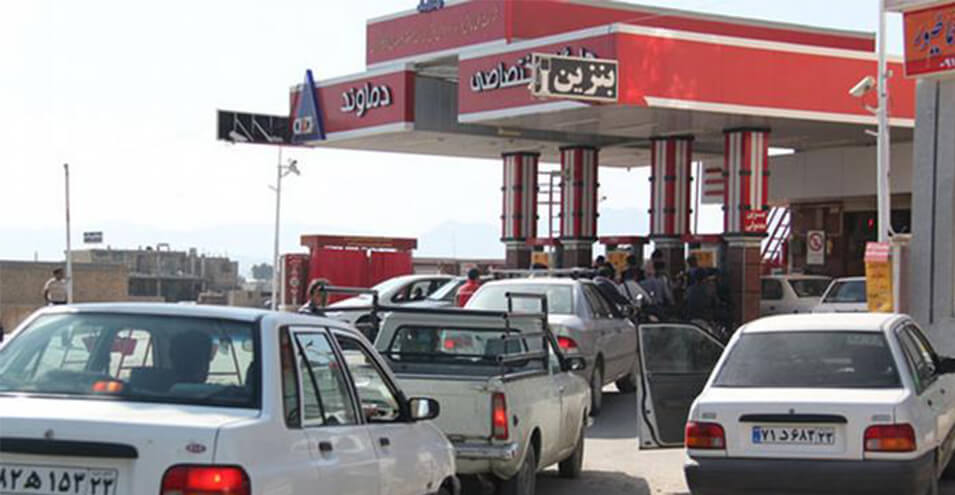
Iranian lawmakers have proposed a plan to reintroduce gasoline coupons, which they say would distribute gasoline subsidies “fairly” to all people. Under the gasoline coupon scheme, every Iranian would be allotted one liter of gasoline per day.
For each national ID, one liter of gasoline will be deposited into the household head’s account per day. This is a summary of the plan presented by the parliamentarians. According to the predictions of the presenters of this plan, every Iranian can use the quota on their card in any way they want or “sell all or part of it at a free price” or even “export it.”
Some media outlets in Iran have named Hossein Ali Hajideligani as the main designer of "gasoline rationing," but no details have been published yet about how "gasoline coupons" were issued.
According to Haji Deligani, a member of the Iranian Parliament's Program and Budget Commission, surveys show that 20 percent of Iranians do not own cars or motorcycles at all, and 20 percent of people consume more gasoline than the quota set on the current fuel card.
"The underprivileged can sell their gasoline"
According to the designers and advocates of the return of coupon gasoline, if the price of gasoline increases, as the government is pursuing, the "disadvantaged" class will be able to sell the gasoline they have at a "free price."
The price of coupon gasoline has not yet been announced, and there has been no talk about it in the parliament or the government, but it is anticipated that a certain amount of gasoline quota will be allocated to each Iranian person daily at a “subsidized price.” This price has not yet been reviewed and announced.
Some media outlets have called this plan the “allocation of gasoline quotas to all Iranians.” Previously, various plans for pricing and consumption of gasoline in Iran had been proposed, and the reuse of fuel cards and the distribution of subsidized gasoline to all people in the form of coupons had been considered.
By announcing the receipt of this plan, which is said to be supported by Ali Larijani, the Speaker of the Parliament, the Presidium of the Islamic Consultative Assembly has effectively abandoned the option of the Hassan Rouhani government to "increase the price" of gasoline in 2019.
Following the parliament's opposition to the government's decision to increase the price of gasoline to 1,500 Tomans and the government's emphasis on increasing the price of various fuels, the proposal for rationing and selling gasoline at two rates in 2019 has been seriously raised.
People's market for buying and selling gasoline
In the second paragraph of the coupon gasoline plan, the government is asked to create a system in which Iranian citizens can sell their excess quota. This is an issue that “Deniya-e-Eqtisad” quoted Asadollah Gharakhani Al-Wastani, spokesman for the Energy Commission of the Islamic Consultative Assembly, as saying: “Some have suggested that the government step in and buy excess gasoline quota and sell it to applicants based on a free rate, and some have also suggested that a market be established for this purpose and that the government, along with other individuals, be present as a buyer or seller, and that the price be determined based on the principles of supply and demand.”
Reports indicate a growth of more than 8 percent in gasoline consumption in 2018 compared to 2017, with consumption exceeding 100 million liters per day this summer. It is estimated that the average gasoline consumption in 2018 will be between 80 and 90 million liters per day.
Energy consumption in Iran and fuel smuggling are other issues that have been said to necessitate reform of gasoline distribution policies. In recent months, especially after the increase in the exchange rates of various currencies in Iran, domestic media reported an increase in fuel smuggling from Iran to neighboring countries, and reported the price difference per liter of gasoline or diesel in Iran compared to neighboring countries to be around 15,000 tomans; an issue that has led to “an intensification of the fuel smuggling process.”
There are no official and accurate statistics on gasoline and diesel smuggling in Iran, but the Organization for Combating Smuggling of Goods and Currency announces the amount at around 11 million liters per day; a figure that some unconfirmed statistics have reported as high as 30 million liters per day.
Source: DW