Islamic Republic’s Shadow Over Churches Outside Iran; Attack on Iranian Priest in America
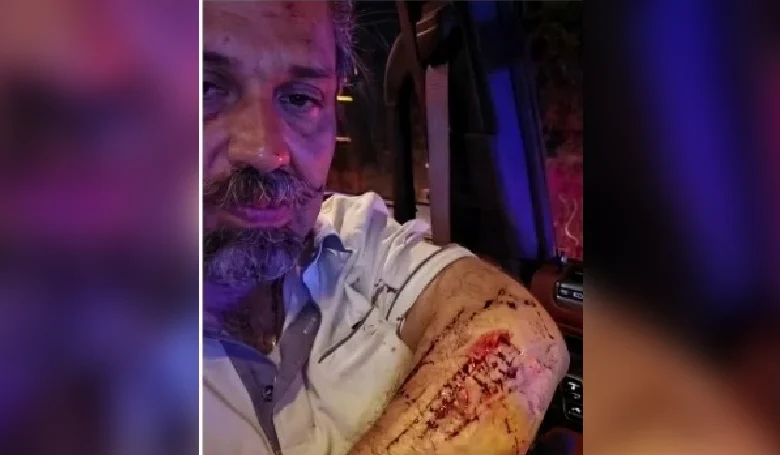
An assault with a cold weapon against “Cyrus Khorassani,” an Iranian-born priest of a Farsi-speaking church in Norway and a political activist opposed to the Islamic Republic, has once again heightened concerns about the expansion of the Iranian government’s “transnational repression.” Sources close to the priest say attackers threatened him during the beating because of his criticism of the Islamic Republic; a matter that now, alongside a long history of threats against Iranian Christian opponents and activists outside the country, has drawn the attention of U.S. security agencies.
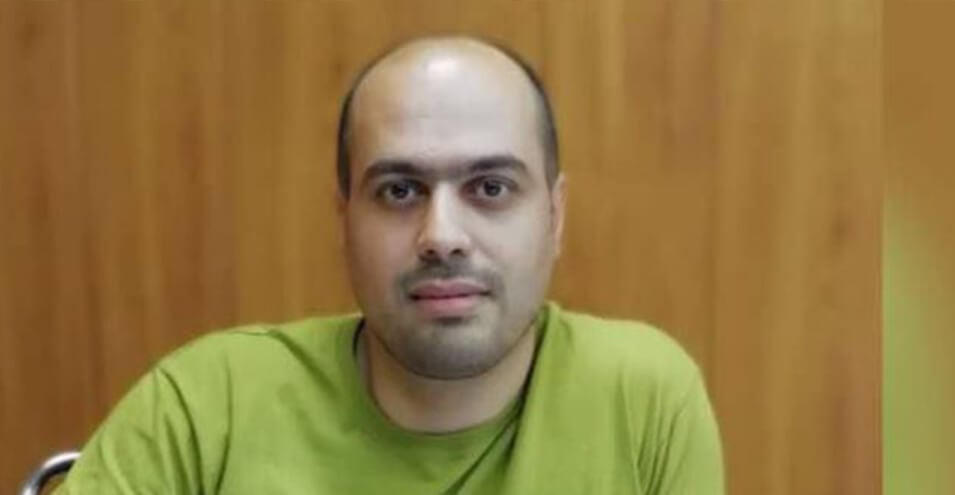
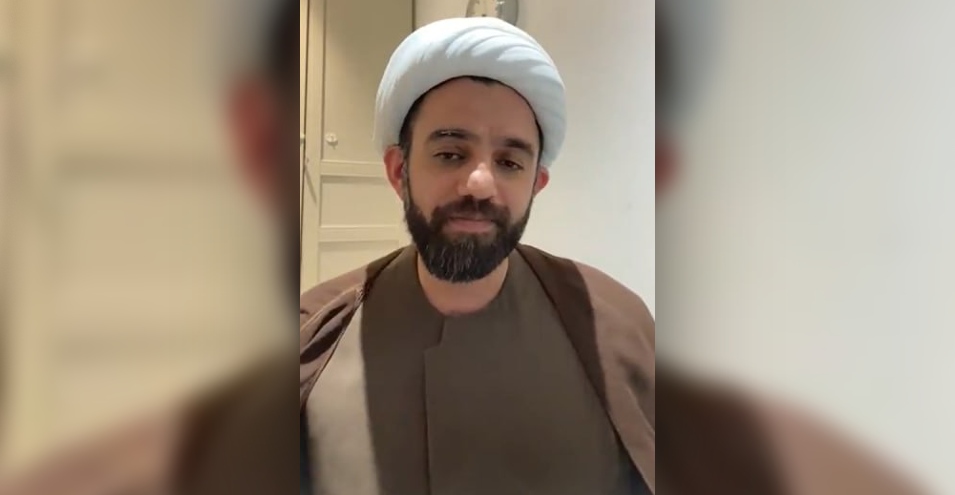
Priest Cyrus Khorassani, a senior pastor of a Farsi-speaking church in Norway and a member of the board of directors of the “Party of Solidarity of Iranian Christians,” was subjected to a violent attack on Sunday in the city of Atlanta, Georgia, in the United States; an attack that, according to sources close to him, had a political motive and was accompanied by direct threats against anti-Islamic Republic positions.
Based on information released by associates of this Christian activist, the attackers, while he was behind the wheel of his personal vehicle, forced him to stop by staging a contrived scene, then attacked him with a knife, fists, and kicks. It is reported that the assailants threatened him in Farsi during the beating and warned him that he should “keep quiet” and not speak against the Islamic Republic.
One of the statements that, according to informed sources, was made during the attack was: “We were tracking you and finally found you.”
This incident occurred while Priest Khorassani had previously repeatedly reported receiving threatening messages, suspicious calls, and cyberattacks. Those close to him say the intensity of these threats has increased in recent weeks, and even messages with death threats were received; matters that had been reported to American police.
Now the Federal Bureau of Investigation (FBI), along with local police, is investigating the dimensions of this case. Although American officials have not yet released official details about the legal nature of this attack, the timing of the incident with previous threats and the political content of the attackers’ remarks have strengthened the possibility of its connection to the Islamic Republic’s known pattern of “transnational repression.”
The FBI has repeatedly warned over the past years about the Islamic Republic’s cross-border activities against opponents, journalists, and political activists. The agency has emphasized that the Islamic Republic uses “intimidation, threats, cyberattacks, and even attempts to physically eliminate opponents” in various countries.
In recent years, the U.S. government has exposed several cases related to assassination plots, kidnappings, and infiltration operations affiliated with Iran; cases that demonstrate that Western security agencies take the Islamic Republic’s threats against opponents outside the country seriously.
Human rights activists and Iranian Christian groups say this incident is not merely an isolated attack, but a sign of an environment in which even Christians and critics of the Iranian government outside its borders do not feel completely safe. Especially since many converts from Islam and leaders of Farsi-speaking churches have repeatedly been targeted by threats and pressure in recent years.
Despite the injuries resulting from this attack, sources close to Priest Khorassani say he continues to insist on continuing his religious and political activities and has refused to remain silent in the face of threats.