Sri Lanka revises death toll from terror attacks
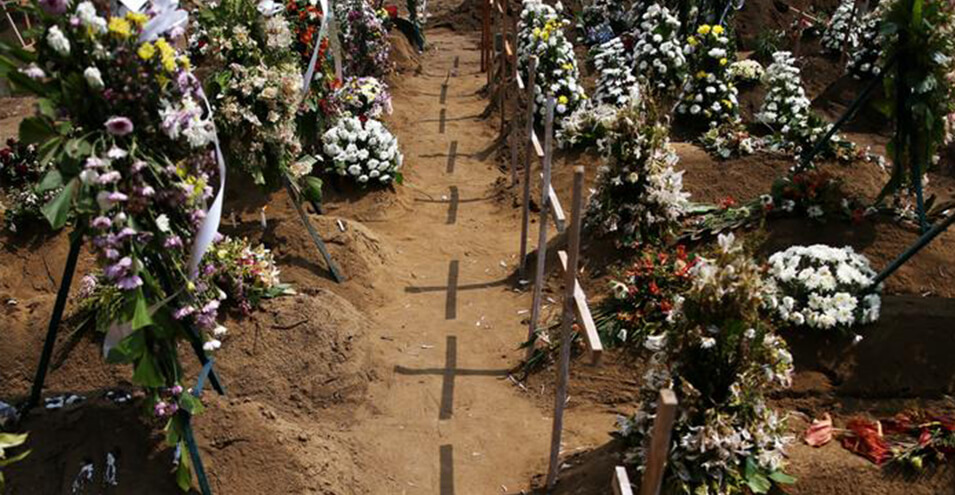
Sri Lankan authorities say the death toll from the Easter Sunday terror attacks is about 100 lower than previously reported. At least 250 people were killed in suicide bombings at hotels and churches in two Sri Lankan cities.
According to Sri Lankan government officials, the examination of the bodies of the victims of the Easter Sunday terrorist attacks was completed on Thursday evening, April 25, and it was determined that the number of victims was at least 100 fewer than previously announced.
The death toll from suicide attacks on four churches and three hotels in Colombo, the capital of Sri Lanka, and the eastern city of Batticaloa was previously reported to be up to 360.
Sri Lanka's Director General of Medical Services says it is now clear that the death toll from the terrorist attacks, which occurred almost simultaneously, was between 250 and 260 people.
According to "Tagsshow", the website of German TV Channel 1, the Sri Lankan Ministry of Health announced that there was an error in reporting the number of victims of Sunday's explosions due to the fact that many of the bodies were disintegrated and dismembered.
Most of those killed in the Easter suicide attacks were Sri Lankan citizens, but at least 38 foreign tourists were also killed in an explosion at a luxury hotel in the capital.
Following Sunday's attacks, which left at least 500 people injured, Sri Lankan security forces have faced widespread criticism and are accused of ignoring security warnings from some countries about possible terrorist attacks.
Acceptance of responsibility and resignation of the Minister of Defense
Sri Lankan Defense Minister Hemasiri Farmandu says Indian security forces had warned the country of suicide bombings days in advance and that the ministry was following up on the warnings. She also resigned, accepting responsibility for the inaction of her ministry.
The Islamic State (IS) terrorist group claimed responsibility for the attacks in a video released by the group's Amaq news agency, which shows eight people, seven of whom are wearing face masks. The group's affiliated news agency said Sunday's suicide attacks targeted "citizens of countries in the anti-IS coalition and Christians."
The Sri Lankan government has announced that at least nine people, including one bomber, were involved in the Easter Sunday suicide bombings, eight of whom have been identified so far.
Persecution of Muslim minorities
Sri Lanka's Muslim minority has come under intense pressure following Sunday's terrorist attacks. The majority of Sri Lankan Muslims are members of the Ahmadiyya sect, which many Shiites and Sunnis consider apostates.
According to reports, many Muslims living in Sri Lanka have been targeted by angry citizens in recent days and forced to leave their homes. Many followers of the Ahmadiyya sect are immigrants from Pakistan, Afghanistan, Yemen and Iran, who have not been safe from persecution and persecution in their own country.
Sri Lankan police say they have not yet arrested all those suspected of involvement in or aiding in Sunday's terrorist bombings, raising concerns among citizens about new attacks.
Security forces have identified three men and three women as suspects in the Easter Sunday terror attacks and are appealing for information from the public. However, no information has been released about their roles or connections to the bombings.
Sri Lankan police have so far arrested 76 people on suspicion of involvement in the recent terrorist bombings. One of them is believed to be the father of two suicide bombers and is believed to have helped his children.
Warning from America and Israel
The US ambassador to Sri Lanka warned in a Twitter message of new terrorist attacks and urged citizens to avoid going to church and attending large gatherings over the weekend.
The Israeli government has also assessed the risk of terrorist attacks in Sri Lanka as serious and has urged Israeli citizens to leave the country as soon as possible.
The Sri Lankan Catholic Church has canceled all religious services in Colombo until April 29. Sunday's terrorist attacks will also have a negative impact on Sri Lanka's growing tourism industry, although the extent of the impact is not yet clear.
Last year, 2.3 million tourists visited Sri Lanka, which is said to be four times the number of tourists a decade ago.
Source: DW