The coin king was executed alongside his "accomplice".
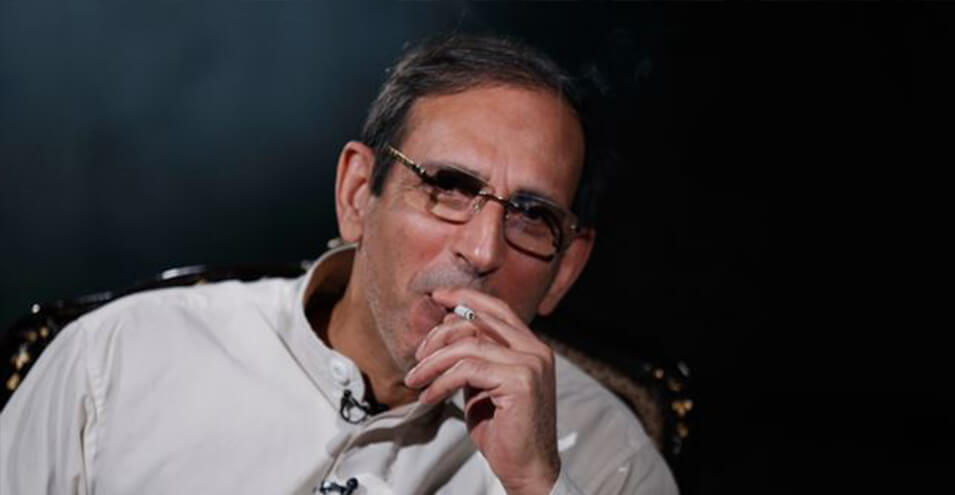
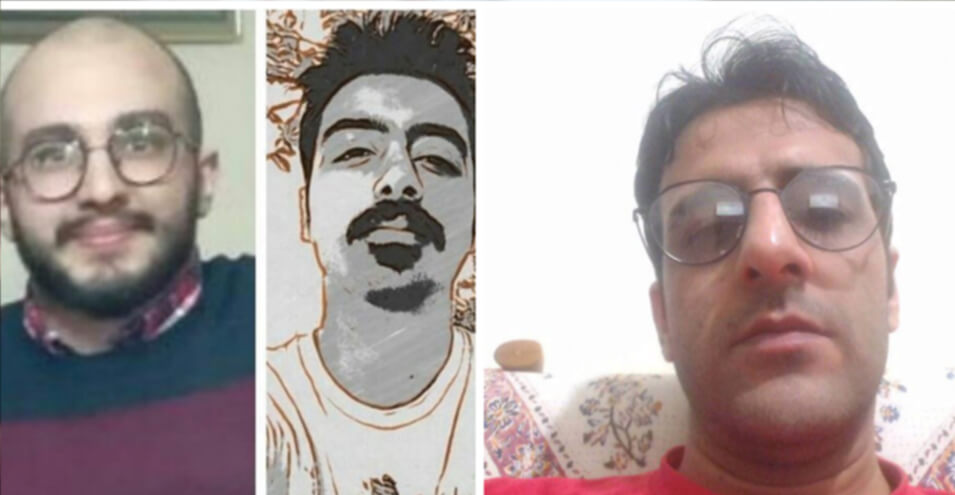
The Tehran Public and Revolutionary Prosecutor's Office says that following the confirmation of the verdict by the Supreme Court, Vahid Mazloumin, known as "Sultan of Coins," and Mohammad Ismail Ghasemi were executed in Tehran on the morning of Wednesday, November 13.
As the Tehran Revolutionary Prosecutor's Office says, they were "sentenced to death for the crime of corruption on earth through the formation of a network of corruption, disruption of the country's economic, currency and monetary system, by conducting illegal and unauthorized transactions, and major and large-scale smuggling of currency and coins."
The title "Sultan of Coins" was first used by the Chief of Greater Tehran Police when announcing the arrest of Vahid Mazloumin in mid-July.
Hossein Rahimi, commander of the Tehran Police Force, announced on July 4 the arrest of an individual who had "collected about two tons of coins" over a period of ten months.
However, two weeks later, a spokesman for the judiciary said in a press conference that "two tons of coins were not discovered from this individual, but documents and evidence have been obtained that this individual and his son bought and sold more than two tons."
Mr. Ghasemi was another person who was arrested in this process, and some media outlets in Iran have referred to him as an "accomplice" of Sultan Sekeh.
Iranian news agencies quoted the Tehran General and Revolutionary Prosecutor's Office as saying, "Branch 41 of the Supreme Court, after reviewing the verdict issued against the defendants, confirmed the execution," and the verdict was "implemented at dawn on Wednesday, November 13, 2018, with a crowd in Tehran."
Vahid Mazloumin was executed despite the fact that Iranian law does not impose any prohibitions or restrictions on the amount of buying and selling of coins and foreign currency.
The Central Bank, Hassan Rouhani's government, and the judiciary had not announced any restrictions on the purchase and sale of coins.
On November 8, Gholamhossein Esmaeili, the Chief Justice of Tehran Province, announced that preparations were underway to execute the death sentences of these two individuals, saying, "This sentence will be executed in less than a month."
The First Deputy and Spokesperson for the Judiciary said in late October that the death sentences of Mr. Mazloumin and Mr. Ghasemi, two coin sellers, on charges of "corruption on earth" had been confirmed by the Supreme Court.
As the Judiciary Spokesperson stated, it took only 43 days from the time the case against him and Mr. Ghasemi was filed until the verdict was confirmed.
The Tehran Public and Revolutionary Prosecutor's Office said in a statement released on Wednesday that based on "investigations," it was determined that "Vahid Mazloumin's network was one of the most effective illegal activists in the currency and coin market." According to the statement, "one of the characteristics of this group's criminal activity was the unrealistic and purely verbal exchange of currency and coin prices, which played a significant role in increasing prices."
In recent months, the Leader of the Islamic Republic and judicial authorities have made threatening statements regarding individuals who are arrested in economic and financial cases.
In late August, Supreme Leader Ayatollah Ali Khamenei agreed to the head of the judiciary's proposal to form a special court with three judges from the Revolutionary Court to handle the case of "economic corruptors." A month later, head of the judiciary, Sadegh Larijani, said that the apparatus under his supervision, despite its "limitations," would not observe "any illusory red lines."
Many analysts and economic experts have warned that although "security clashes" may prevent the price of currency or coins from increasing in the short term, they will have no effect in the long term; just as the price of currency and coins continued to increase despite "security clashes in the previous government."
After US President Donald Trump withdrew from the JCPOA and reimposed sanctions on Tehran, Iran's economy suffered.
The price of coins and currency rose suddenly and sharply, and concerns about rising inflation and widespread unemployment or a decline in people's purchasing power are evident.
This is despite the fact that the Iranian President, without providing any evidence or documentation, has said that after November 4 and the full return of US sanctions, people have "found more hope than before."
Source: Radio Farda