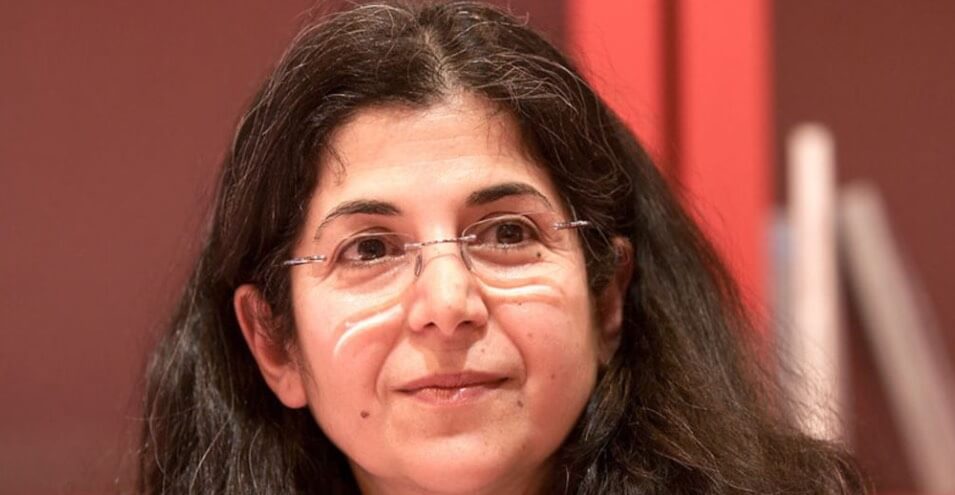
Amnesty International once again calls for Kamran Ghaderi's immediate release and access to medical care
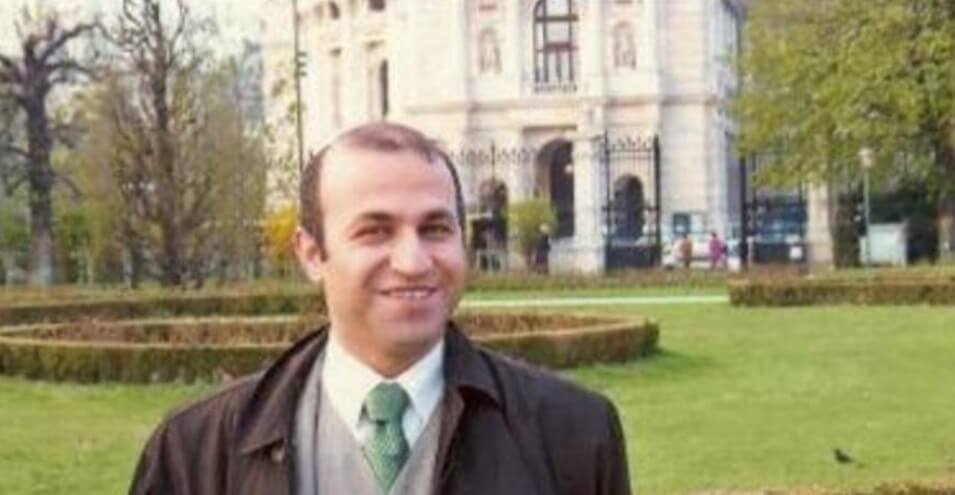
Amnesty International has issued an appeal expressing concern about the health condition of Kamran Ghaderi, an Iranian-Austrian businessman imprisoned in Iran, and calling for immediate action to release him.
According to a text published on the Amnesty International website, written in the form of a letter to the head of Iran's judiciary, Kamran Ghaderi, 55, is serving a 10-year sentence in prison.
The letter states that the sentence against Mr. Qaderi was issued based on “confessions” obtained under torture, threats, and unfairly. By publishing this appeal, this human rights organization has called on the authorities of the Islamic Republic to overturn this conviction and release Mr. Qaderi.
By issuing this appeal, Amnesty International called on people and human rights activists around the world to write a letter to Ebrahim Raisi, the head of the Iranian judiciary, to respond to Kamran Ghaderi's situation in their own words and with inspiration from this appeal, to demand the cancellation of the sentence of this political prisoner, and to request that Mr. Ghaderi be able to receive the specialized medical care he needs in an appropriate hospital outside the prison.
Kamran Ghaderi, an Iranian-Austrian businessman, was arrested by intelligence agents at Tehran International Airport on January 3, 2015, while traveling to Iran to visit his family. He was sentenced to 10 years in prison in August 2016 on charges of collaborating with countries so-called “hostile to the Islamic Republic.”
This political prisoner was not allowed to contact his family until April 2016 after his arrest. He was also denied access to a lawyer for the first seven months of his detention, and was only allowed to meet with a lawyer two days before the trial.
According to Amnesty International, Kamran Ghaderi said that during interrogations he was told that his mother and brother had been arrested, when this news was not true and was just a way to force a confession.
Forced and violent confessions by Iranian security forces have been reported many times before. This method of obtaining confessions, which has been repeatedly criticized by human rights groups, continues to be used by the Islamic Republic’s judiciary. Some of these forced confessions from detainees, such as those of Maziar Bahari, Maziar Ebrahimi, Sepideh Gholian, Ebrahim Bakhshi, Saeed Malekpour, and dozens of others, have been broadcast on official Iranian television channels.
Currently, in addition to Kamran Ghaderi, several American and non-American citizens are imprisoned in Iran. With the spread of the coronavirus, the Islamic Republic has released a number of dual citizens, such as Nazanin Zaghari-Ratcliffe, from prison on leave, but the others, such as Kamran Ghaderi, Anousheh Ashouri, and Siamak Namazi, are still imprisoned.
Iran has intensified the detention of foreign citizens and dual nationals in recent years.
The United States Department of State has repeatedly condemned the Islamic Republic's regime's arbitrary and unjustified detention of American and other citizens, including dual-national Iranians, and called for their immediate and unconditional release.
Source: Voice of America