Signs of the end of a diet
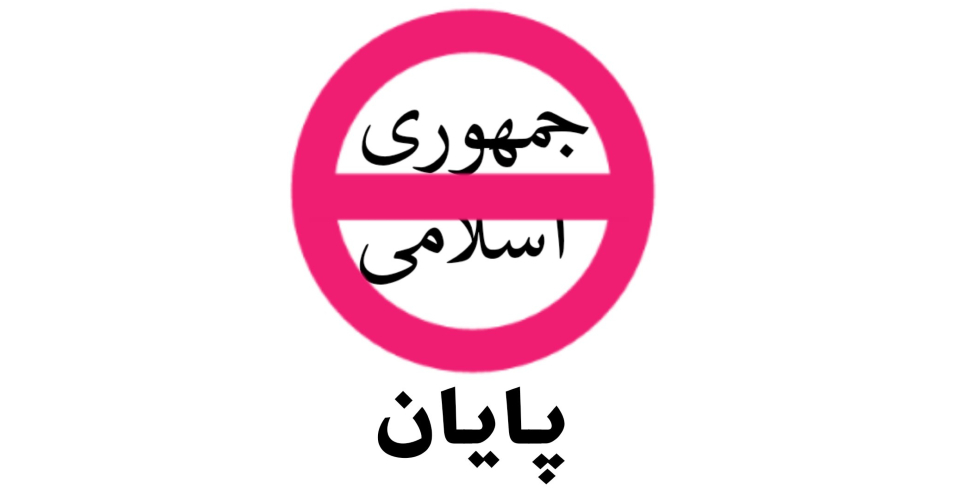
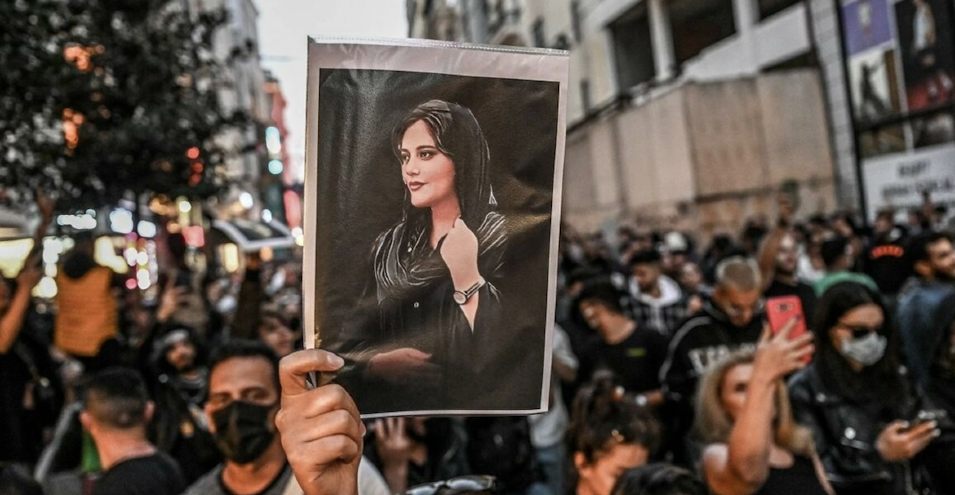
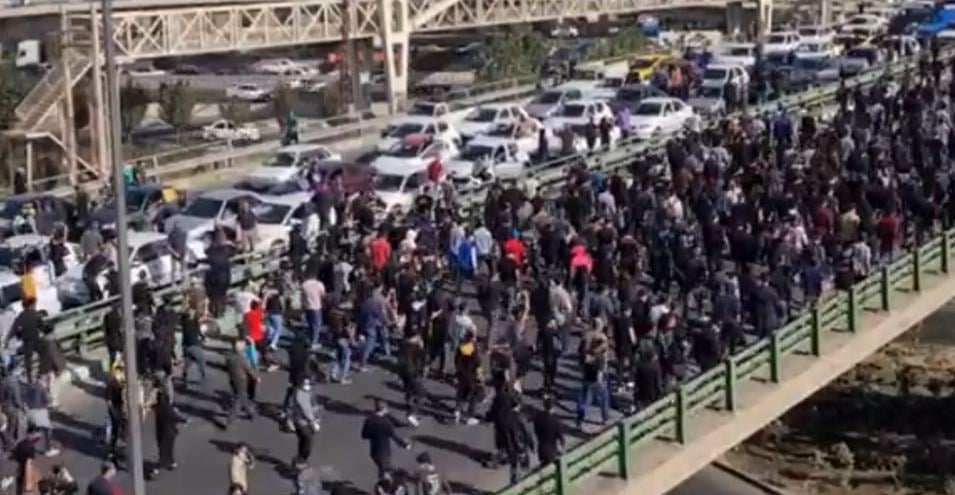
Does the uprising and uprising of the Iranian people mark the expiration date of the Islamic Republic of Iran and the end of a regime?
With the rise of dictators in various countries around the world, many people are certainly asking themselves: What needs to happen to free the people who are under the rule of these dictators? For example, Mr. Ali Khamenei in the current regime of Iran or other dictators in the region.
Renowned American scientist, Mr. Daniel Treisman, a professor at UCLA, says: Between 1800 and 2015, we concluded through information and analysis that the fall of dictators was the result of mistakes made in their attempts to maintain power, and the more they struggled for power, the sooner they fell.
According to Mr. Triesman, mistakes such as naked repression, over-motivating the people to fight a foreign enemy, and defeating elite rivals in the wrong way are among these mistakes. In the rest of this article, we will review five of them that have been repeated in the past 55 days of popular uprising against the Islamic Republic regime led by Mr. Ali Khamenei.
The first is the excessive arrogance of a dictator. In this situation, the ruling dictator underestimates the power of his opponents and opponents and either fails to compromise or suppress them. An example is Nicolae Ceausescu, Secretary of the Communist Party and President of the socialist country of Romania until 1989. Mr. Ceausescu was giving a regular speech when he realized that his rule was being overthrown and ended.
Another example is Indonesian President Muhammad Suharto. He believed that the country could be controlled until he resigned, but this turned out differently for him, because when he least expected it, he was suddenly overthrown by a popular uprising.
Another example is the actions and movements of the Islamic regime and its dictatorial leader, Ali Khamenei, these days. He is holding an election in Iran that he is forced to manipulate to such an extent that, like the Chilean dictator, Mr. Pinochet in 1988, he completely loses his legitimacy and, in order to stay in power, he is forced to wage a war against his own people, the end of which he is unaware of.
The third case, which can be called a “slippery slope,” occurred during the rule of Mikhail Gorbachev. He initiated reforms to preserve the regime, but in the end, it was these reforms that weakened him.
It seems that today, too, that Mr. Ali Khamenei, the dictatorial leader of Iran, will eventually give in to this type of action. Since the revolutionary uprising of the Iranian people has begun a path of no return, Mr. Ali Khamenei and the leaders of the Islamic regime of Iran will probably undertake a series of reforms to control the situation, which will instill confidence in the people and ultimately overthrow him.
The fourth is trusting a traitor. This is always a mistake that dictators make. For example, King Francisco Franco of Spain. He chose “General Juan Carlos” as his successor. In the case of Mikhail Gorbachev, it should also be remembered that it was the Politburo of the regime’s elite that chose the wrong person to maintain its power. Now, it seems that the Leader of the Islamic Republic of Iran, Mr. Ali Khamenei, given the actions he has recently taken, most likely trusted several traitors or foreign influencers, which caused him to behave so badly and unjustly in response to the Iranian people’s demand for justice.
Fifth and final, violence is reversed. Not suppressing dissent when necessary can be a sign of arrogance in a dictator, but overreacting is a fatal mistake.
An example that Mr. Daniel Treisman cites is the President of Bangladesh, Mr. Hossain Mohammad Ershad, who was forced to resign after an uprising that began after the police shot an opposition activist at a rally.
But the resignation of Ukrainian President Viktor Yanukovych in 2013 was also a case of the most deadly self-destruction of dictators, when riot police attacked and brutally beat several student protesters. Much larger protests followed, leading to the ouster of Yanukovych, a path we see today in Iran.
I will end the final analysis with this. All these errors are human judgments. Dictators, like ordinary people, sometimes act based on incomplete information or their own false feelings. The only difference is that they are blinded by pride and, precisely for this reason, are prone to gross errors. They are fooled by surveys that people do not answer honestly, or by those around them who play with figures and numbers to please them. Something we see every day on the Iranian Broadcasting Corporation and the national media.
Mr. Daniel Triesman points out at the end of his report that 85 percent of the episodes he has studied about dictators have seen democratization before the unrest, which has happened too late, and the people are tired of regimes in which their voices are not heard, and they are no longer willing to be burdened by the words of the dictatorial rulers. Then, just one person at the center of the government takes a wrong step, and finally the people deliver the final blow.
An article by Pastor Abila Yohannamaru